The Rise of Remote Jobs in Cybersecurity and Authentication
The post The Rise of Remote Jobs in Cybersecurity and Authentication appeared first on MojoAuth Blog – Passwordless Authentication & Identity Solutions.
The landscape of work has shifted in ways we couldn’t have imagined a decade ago.

Breaking Into IAM: How to Pivot Your Developer Career Toward Security
The post The Rise of Remote Jobs in Cybersecurity and Authentication appeared first on MojoAuth Blog – Passwordless Authentication & Identity Solutions.
The landscape of work has shifted in ways we couldn’t have imagined a decade ago. While many industries have wrestled with the transition to home offices, the cybersecurity sector has found a natural home in the remote world. Honestly, it makes sense when you think about it. I remember the days when security meant physical badges and heavy server-room doors, but the very nature of protecting digital assets no longer requires that physical presence. Instead, it requires sharp minds, a secure connection, and an evolving understanding of how we verify who is who in a digital space.
But have you ever wondered why it took a global shift for us to realize that the most digital profession on earth didn’t actually need a physical desk?
The Shift to a Borderless Workforce
For years, the gold standard for security was the perimeter. You had an office, a firewall, and people sitting at desks inside that physical fortress. But that model has crumbled. As companies moved to the cloud, the fortress disappeared. Today, the perimeter is actually the person. It is the identity of the user and the device they’re holding. I guess you could say the office is wherever you happen to open your laptop.
This shift has created a massive demand for professionals who understand authentication. When your entire workforce is scattered across different time zones, knowing for certain that a login attempt is legitimate becomes the top priority. Because of this, remote roles in identity and access management have exploded. It’s a bit of a whirlwind, but in a good way.
Companies are no longer looking for the best talent within a small radius of their headquarters. They’re looking for the best talent, period.
Why Authentication is the New Front Line
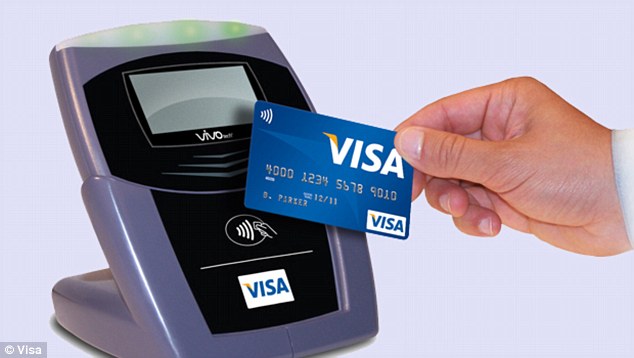
Authentication used to be a simple matter of a username and a password. We now know that isn’t enough. The rise of sophisticated phishing and social engineering means that passwords are often the weakest link in the chain. So, we see this massive push toward multi-factor authentication and even passwordless systems. You know, those moments where you just tap a notification on your phone and you are in.
But if the password is dead, what exactly are we protecting?
Remote cybersecurity workers are the ones who build and monitor these systems. They’re the architects of zero-trust environments where nothing is taken for granted. In a zero-trust model, the system assumes every connection attempt is a potential threat until proven otherwise. Working in this field from a home office feels appropriate. You’re living the reality of the digital nomad while securing the infrastructure that makes it possible for others to do the same. And that’s the point.
Skills for the Remote Security Professional
If you’re looking to break into this space or level up your current career, you need a specific mix of technical and soft skills. On the technical side, a deep understanding of cloud security protocols is non-negotiable. You should be familiar with how different platforms handle identity. Understanding the nuances of single sign-on and biometric verification is also becoming increasingly important.
And yet, is technical skill enough in a world where you never see your coworkers in person?
Remote work also demands high levels of self-discipline and communication. In an office, you can see if a colleague is stressed or if a project is hitting a wall. Online, you have to be more intentional. Maybe it is the hum of the laptop at midnight or the silence of a home office that makes you realize how much the human element matters. You have to be able to explain complex security risks to non-technical stakeholders via video call or chat thread without causing panic.
Positioning Yourself in a Competitive Market
As the number of remote roles grows, so does the competition. Having the right certifications is a great start, but how you present your experience is what gets you the interview. This is where your professional presentation becomes vital. When you’re applying for high-stakes roles in cybersecurity, your documentation needs to reflect a high level of precision and organization.
Many successful applicants find that using professional structures helps them stand out. For instance, Monster’s resume templates can give you a solid foundation for organizing your technical skills and remote work history. These templates help ensure that your background in authentication and system monitoring is clear and easy for recruiters to scan.
It’s about making sure your expertise doesn’t get lost in a cluttered layout.
The Future of Secure Remote Work
We’re not going back to the way things were. The flexibility of remote work is too valuable for both employers and employees. But as we move forward, the threats will continue to evolve. Artificial intelligence is already being used to create more convincing scams, which means our authentication methods must become even smarter.
The future of cybersecurity is remote, and it’s centered on identity. As long as we’re connecting to work from our living rooms, coffee shops, and home offices, we’ll need dedicated professionals to ensure those connections are safe. It takes a lot of focus, and maybe a little too much coffee, but the impact is real.
It’s a challenging field, but for those who enjoy solving puzzles and protecting others, there’s never been a better time to jump in.
*** This is a Security Bloggers Network syndicated blog from MojoAuth Blog – Passwordless Authentication & Identity Solutions authored by MojoAuth Blog – Passwordless Authentication & Identity Solutions. Read the original post at: https://mojoauth.com/blog/remote-jobs-cybersecurity-authentication
About Author