Can AI-driven security solutions fit small business budgets
Are Non-Human Identities the Missing Piece in Your Cybersecurity Strategy?
What Are Non-Human Identities, and Why Are They Important?
Have you ever considered the security implications of the digital identities and credentials your machines hold?

How do Agentic AI systems enhance security frameworks
Are Non-Human Identities the Missing Piece in Your Cybersecurity Strategy?
What Are Non-Human Identities, and Why Are They Important?
Have you ever considered the security implications of the digital identities and credentials your machines hold? The rise of Non-Human Identities (NHIs) is reshaping cybersecurity. These machine identities serve as essential components for securing modern digital infrastructures across various industries. From financial services to healthcare and beyond, NHIs are pivotal in ensuring seamless and secure operations.
NHIs are machine identities, tokens, or keys. These act as identifiers akin to a passport, with permissions granted by a destination server, which functions much like a visa. This sophisticated setup is essential for integrating security within cloud environments, especially when coordinating between security and R&D teams. By focusing on NHIs, businesses can create a fortified cloud, bridging security gaps and ensuring comprehensive protection from potential breaches.
The Lifecycle of NHI Management
Understanding the management of NHIs involves addressing all stages of their lifecycle—discovery, classification, usage monitoring, threat detection, and remediation. Unlike point solutions, such as secret scanners that offer limited scope, comprehensive NHI management provides a holistic overview. This includes insights into the ownership, permissions, usage patterns, and potential vulnerabilities of machine identities.
The goal of effective NHI management is to protect machine identities and their access credentials, as well as to monitor their behaviors. This comprehensive approach empowers organizations to implement context-aware security measures, ensuring that their digital infrastructure remains robust and resilient.
Benefits of Implementing NHI Management
Incorporating NHI management into your cybersecurity strategy offers significant advantages:
Reduced Risk: By proactively identifying and mitigating security risks, the likelihood of breaches and data leaks is minimized.
Improved Compliance: NHI management helps organizations meet regulatory requirements through policy enforcement and audit trails.
Increased Efficiency: By automating the management of NHIs and their associated secrets, security teams can allocate resources to more strategic initiatives.
Enhanced Visibility and Control: A centralized view of access management and governance ensures that organizations can maintain control over their digital assets.
Cost Savings: Automating processes such as secret rotation and NHIs decommissioning helps reduce operational costs.
This suite of benefits enhances an organization’s overall cybersecurity posture, making it an essential component for any business operating in the cloud.
NHIs in Action: Relevance Across Industries
Machine identity management is not limited to a single sector; instead, it spans multiple industries where secure operations are paramount. For instance, financial services and healthcare sectors deal with sensitive data, demanding rigorous security measures to protect client information. Similarly, DevOps and SOC teams often manage complex cloud-based infrastructure, requiring solutions that ensure seamless integration and protection.
Moreover, sectors like travel, where the digital management of identities and access play a vital role in operations, can significantly benefit from robust NHI management. By addressing industry-specific challenges, organizations can ensure that their security measures are tailored to the unique requirements of their field.
Leveraging AI to Enhance NHI Management
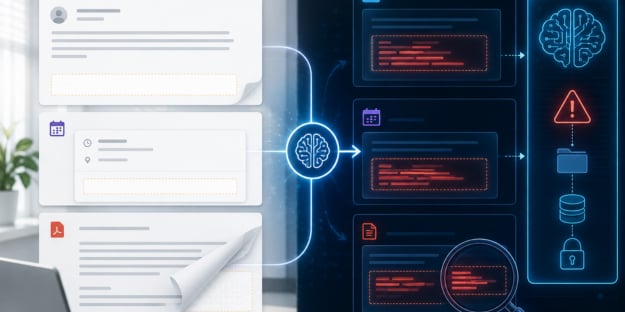
The integration of AI technologies can further elevate the effectiveness of NHI management. By utilizing AI-driven methodologies, organizations can streamline the identification and classification of non-human identities, automate threat detection processes, and dynamically respond to security incidents. AI can also help in predictive analytics, giving insights into potential vulnerabilities based on historical data patterns. This proactive approach ensures a robust shield against potential threats.
For small businesses contemplating AI integration within their security frameworks, the challenge often lies in budget constraints. To explore how AI tools can fit into small business budgets, you may consider how AI marketing tools are revolutionizing traditional approaches here. Understanding the potential of AI for small business growth offers valuable insights into its application beyond just security, encompassing broader business functions here.
Creating a Secure Cloud Environment with NHIs
A secure cloud environment is essential for modern enterprises, especially when managing machine identities. The combination of NHIs with cloud security strategies enables organizations to protect their digital infrastructure end-to-end. This involves creating secure gateways for NHIs, encrypting sensitive information, and ensuring that only authorized entities can access specific resources.
With NHIs, companies can ensure that their cloud operations remain secure and efficient, mitigating risks and ensuring compliance with relevant regulations. Whether it’s automating secrets management or centrally managing permissions, NHIs play a crucial role in maintaining the integrity of digital assets.
Incorporating NHIs into a cybersecurity strategy not only bridges the gap between development and security but also fosters a culture of awareness and proactive defense. Where industries increasingly rely on digital solutions, the importance of managing machine identities will only continue to grow.
To sum up, while writing this, the aim was to give insights into why NHIs should form a core part of your cybersecurity strategy and the enormous potential they hold for enhancing security frameworks across diverse sectors.
Navigating the Complexities of NHI Management in Cloud Environments
Have you ever wondered how organizations maintain security when their operations rely heavily on the cloud? The adoption of cloud computing has revolutionized how businesses operate, offering flexibility, scalability, and efficiency. However, with these advantages come increased security challenges—primarily the need to safeguard NHIs that manage access to critical resources within these environments.
Secure management of NHIs in cloud settings requires a myriad of strategies and technologies working in tandem. Proactively addressing security concerns from the outset ensures that organizations can harness the benefits of the cloud without compromising their security posture. This involves not only adopting robust cloud security measures but also establishing a framework for ongoing NHI lifecycle management.
Key components include:
Discovery: Identifying all existing NHIs, providing a clear inventory of machine identities that require management.
Classification: Categorizing NHIs based on their access privileges, sensitivity, and the criticality of the functions they perform.
Access Control: Ensuring that each NHI has the correct permissions and that access is continually monitored and adjusted as necessary.
Threat Detection: Leveraging advanced analytical tools to identify unusual behaviors or unauthorized access attempts involving NHIs.
Remediation: Implementing processes to immediately address and rectify any security breaches involving NHIs.
These components enable organizations to maintain visibility, control, and security over their cloud operations, empowering them to respond dynamically to evolving threats in real-time.
The Role of Data-Driven Insights in Strengthening NHI Security
What drives successful cybersecurity strategies? Data-driven insights play a crucial role in informing the management of NHIs and the broader cybersecurity framework. By leveraging data analytics, organizations can better understand the behaviors, patterns, and vulnerabilities associated with their machine identities.
Data-driven decision-making allows for:
Proactive Risk Management: Analyzing historical data to identify trends and anticipate potential security incidents.
Enhanced Compliance: Ensuring that all NHI activities are logged and auditable, facilitating adherence to regulatory requirements.
Optimization of Security Resources: Allocating resources based on data analytics to areas that present the highest risk or require immediate attention.
By embracing data analytics, organizations can transition from a reactive to a proactive security posture, ensuring that threats are addressed before they escalate into full-fledged incidents.
Collaboration Between Security and R&D: Bridging the Gap with NHI Management
How can organizations bridge the disconnect between their security and R&D teams? Effective NHI management serves as a unifying factor that aligns both departments towards common security goals. The integration of security protocols not only fortifies product integrity but also ensures a seamless transition from R&D outputs to live, secure operations.
Collaboration enables organizations to:
Embed Security: Integrate secure coding practices and NHI management into the early stages of product development.
Facilitate Continuous Improvement: Encourage feedback loops between security and R&D to refine approaches and address emerging threats.
Promote Knowledge Sharing: Foster a culture of awareness and mutual learning between development and security teams.
Implementing a collaborative framework not only improves security outcomes but also enhances overall operational efficiency and product quality, creating a robust ecosystem where innovation and security coexist harmoniously.
Future-Proofing Your Cybersecurity with NHIs
Are NHIs the key to future-proofing organizational cybersecurity frameworks? When businesses continue to expand their digital footprints, the importance of managing machine identities becomes increasingly apparent. The agility provided by NHIs facilitates rapid adaptation to technological advancements and evolving security.
To ensure that NHIs remain a cornerstone of cybersecurity, organizations must focus on:
Scalability: Designing NHI management systems that can accommodate growth and the introduction of new technologies.
Continuous Learning: Adapting to new insights and integrating the latest security practices to stay ahead of potential threats.
Innovation: Leveraging emerging technologies, such as AI, to enhance the efficacy and efficiency of NHI management processes.
The ongoing evolution of NHIs in cybersecurity underscores their vital role in safeguarding organizational operations. By committing to proactive and innovative management strategies, businesses can ensure they are well-equipped to navigate the complexities of modern digital. Through these efforts, NHIs will continue to be a pivotal element in robust cybersecurity infrastructure, continually evolving to meet the needs of businesses.
The strategic implementation of NHIs provides a holistic, resilient approach to machine identity management, fostering a secure environment that supports innovation and growth.
The post Can AI-driven security solutions fit small business budgets appeared first on Entro.
*** This is a Security Bloggers Network syndicated blog from Entro authored by Alison Mack. Read the original post at: https://entro.security/can-ai-driven-security-solutions-fit-small-business-budgets/
About Author