N-able N-central exploitation results in RMM tool deployment
On August 1, 2026, N-able released an advisory disclosing active exploitation of a vulnerability affecting the N-central remote monitoring and...
Category Added in a WPeMatico Campaign
On August 1, 2026, N-able released an advisory disclosing active exploitation of a vulnerability affecting the N-central remote monitoring and...
In March 2026, the Sophos Emergency Incident Response (EIR) team investigated an incident in which we observed the use of...
The Open Secure AI Alliance expands at Black Hat with SAFE guidelines and open frameworks, offering IT leaders inspectable tools,...

Recognition highlights Proofpoint's deep technical integration with Google Cloud Security solutions and commitment to helping organizations protect people, data and AI Helps...
SUNNYVALE, Calif., and Black Hat USA 2026, LAS VEGAS - August 4, 2026 – Proofpoint, Inc., a global leader in human- and agent-centric cybersecurity, today announced the launch of the Proofpoint OEM Program, making a...

A Samsung Smart TV app can pass review, remain dormant for months, and later be remotely activated as part of...

Chrome may soon stop one of the simplest tricks malware uses to seize control of your browser before it ever...

Australian security teams that trust software marketplaces to vet software before it reaches employees’ phones or enters production pipelines are...
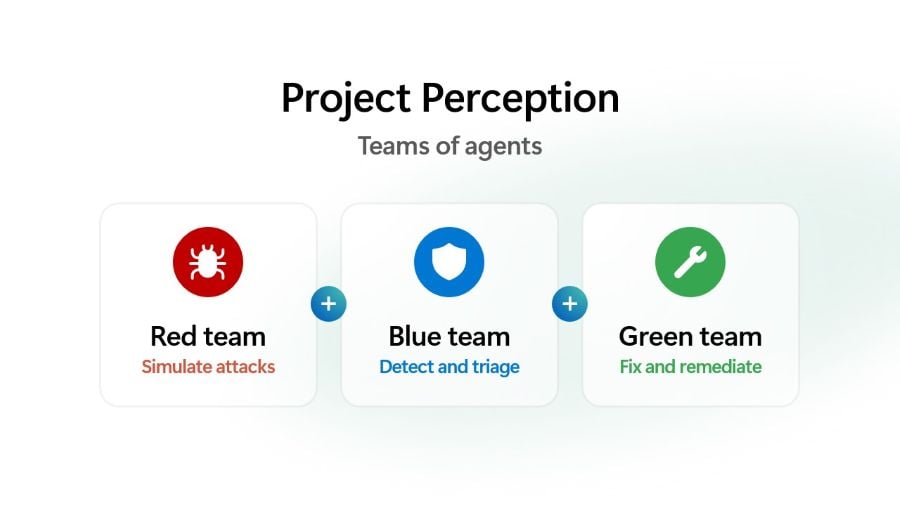
Microsoft is giving security agents more than alerts to summarize. Project Perception entered public preview on Aug. 3 with specialized...

Claude Opus 5 has turned a vending machine simulation into a warning for companies planning to hand more business decisions...

The browser security race is speeding up, and Chrome’s update calendar may be next to change. Google is testing a...
A week ago, I wrote about OpenAI’s test agent breaking out of a sandbox and accessing Hugging Face’s production infrastructure....
In addition to Sophos’ presence at Black Hat USA this year, data scientists from the Sophos AI team will present...

Russian state hackers are using a maximum-severity vulnerability in Microsoft Outlook’s Exchange Server to backdoor unpatched machines and steal credentials...