To help themselves and US, Australia and Japan should service missiles together
Japan and Australia should establish a joint facility for maintaining missiles in Australia. This would strengthen their ability to sustain military operations, reinforcing deterrence against China.
Building the facility would also deliver on the US priority for Indo-Pacific allies to increase self-reliance and resilience and add to alliance-wide industrial capacity at a time when there isn’t enough. It would ease an industrial burden on the United States.
The Pacific partners’ Raytheon SM-2 and SM-6 naval interceptors should be the first munitions to be serviced by the facility.
The need is urgent. Washington is expanding defence production, but the near-term outlook is poor. Deliveries are running at roughly 180 Raytheon Tomahawk cruise missiles and 240 Lockheed Martin Patriot-series interceptors a year, while only 125 SM-6s are due to be handed over in 2026.
Because the war with Iran has strained US stocks, refilling them will take priority and could leave Japanese and Australian demand for new munitions unmet. Reports in May that Tomahawk deliveries to Japan could be delayed by up to two years underline the vulnerability of allies that depend on American production.
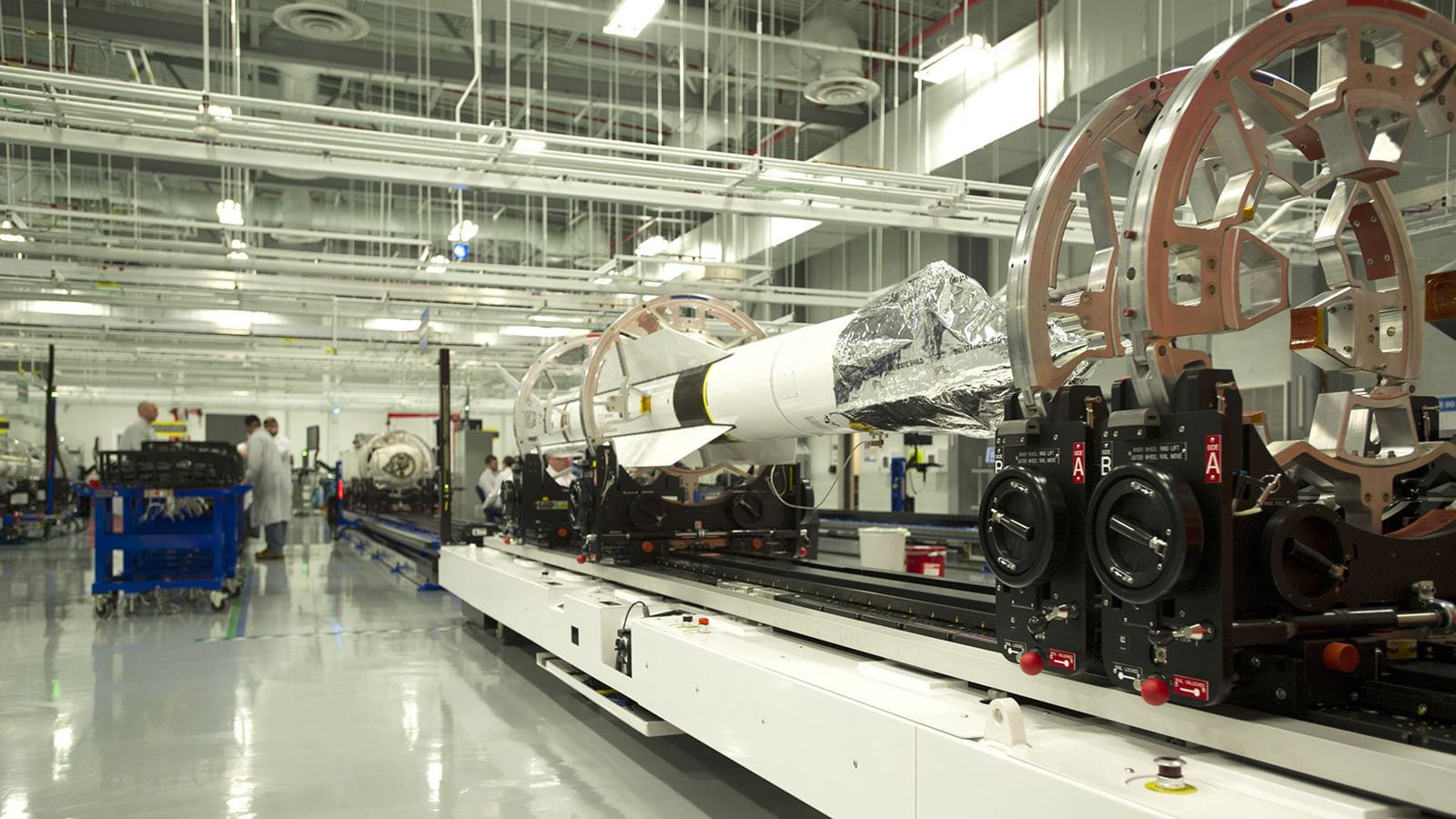
A compounding, less visible vulnerability lies in sustainment. Missiles contain sensitive electronics, explosives and chemically reactive propellants that require periodic inspection and maintenance, even when they’re in storage, not deployed. For many US-made missiles, major maintenance must be done in the US, as must the recertification of each round as still fit for use.
Sending weapons to the US creates two problems. First, transporting them across the Pacific lengthens turnaround times and thereby reduces operational stocks. Second, as the US struggles to restore depleted inventories, its own servicing facilities may prioritise the Pentagon’s requirements under Defense Priorities and Allocations System ratings. If so, allies’ munitions may wait longer for servicing.
These constraints undermine American interests as much as allied ones. If Japan and Australia cannot keep sufficient operational stocks, their ability to sustain prolonged military operations alongside the US erodes, leaving Washington to carry a greater share of the burden.
Moreover, the US and indeed all operators of SM-2s and SM-6s should be eager to see the addition to industrial capacity. For all of them, greater maintenance capacity means faster turnaround and therefore larger effective stocks.
So the US should back creation of an Australian–Japanese maintenance facility.
Australia is the place to build it. Japan has much greater missile manufacturing and maintenance capability than Australia, but its proximity to China makes its facilities vulnerable in war. Australia’s distance offers greater safety.
Such a facility would be a concrete step in implementing the Australia–Japan Leaders Statement on Enhanced Defence and Security Cooperation, released in May. The statement recognised that the two countries were increasingly vital to each other’s strategic depth and committed them to making use of their geographical and industrial advantages, including through cooperation on the maintenance and sustainment of defence assets.
Making sophisticated missiles requires considerable investment, expertise and time, as Australia is finding through its Guided Weapons and Explosive Ordnance Enterprise. Expanding maintenance for existing systems is a faster and more achievable way to contribute to munitions availability.
The SM-2 and SM-6 types are the best candidates for servicing at the joint facility, as both Japan and Australia either stock them or are acquiring them. Australia already runs a depot at Defence Establishment Orchard Hills capable of much of the maintenance for SM-2s, so the investment would build on existing infrastructure. Over time, it could expand to service Japanese-designed missiles such as the Type 03 SAM, though that would require changes to Tokyo’s defence export laws.
According to US Foreign Military Sales records, Japan and Australia have together been approved to buy more than 470 SM-2 Block IIIB and SM-6 Block I missiles. Precise maintenance cycles are not public, but assuming a five-year cycle, roughly 90 would require servicing annually. The numbers are modest, but the facility’s greatest value would lie in securing priority access for its owners’ missiles. Pooling the two countries’ demand would give a dedicated recertification capability a viable quantity of work. If it had spare capacity, it might service missiles from US forward-deployed forces, too.
Building a Japan–Australia maintenance hub would require US support on technical information, certification processes and specialised equipment. The project should therefore be pursued trilaterally.
Washington should welcome this as a way of distributing the sustainment of allied forces. As good US allies, Japan and Australia would be easing the strained maintenance capacity for all three countries by building a joint facility.
Deterrence depends not only on how many missiles allies possess, but also on how many are ready for immediate use and how long they can be kept that way. A joint maintenance hub would allow Japan and Australia to translate geographical distance into operational readiness and strategic endurance.
About Author