Australia should security-vet employees of leading AI companies
As companies and governments race to identify and mitigate emerging cyber vulnerabilities, there’s a risk they overlook one of the oldest and most persistent threats to security: the trusted insider. Recent cases involving Nvidia and OpenAI illustrate how foreign intelligence actors may exploit personal relationships, economic influence, privileged access and human vulnerabilities to obtain sensitive information and potentially subvert strategically important technologies from within.
Australian security vetting and ongoing security measures need to cover staff at companies developing strategically important AI.
Managing insider threats in an increasingly interconnected world is neither straightforward nor without risk. Skilled migration, international collaboration and greater personal freedoms have fundamentally changed how organisations decide which staff can be trusted with sensitive access. A return to McCarthy-era suspicion, where nationality, personal associations or foreign connections become proxies for disloyalty, would be both counterproductive and inconsistent with Australia’s democratic values. The challenge is to develop proportionate, intelligence-informed personnel-security arrangements that maintain security without undermining the openness and international collaboration on which technological innovation depends.
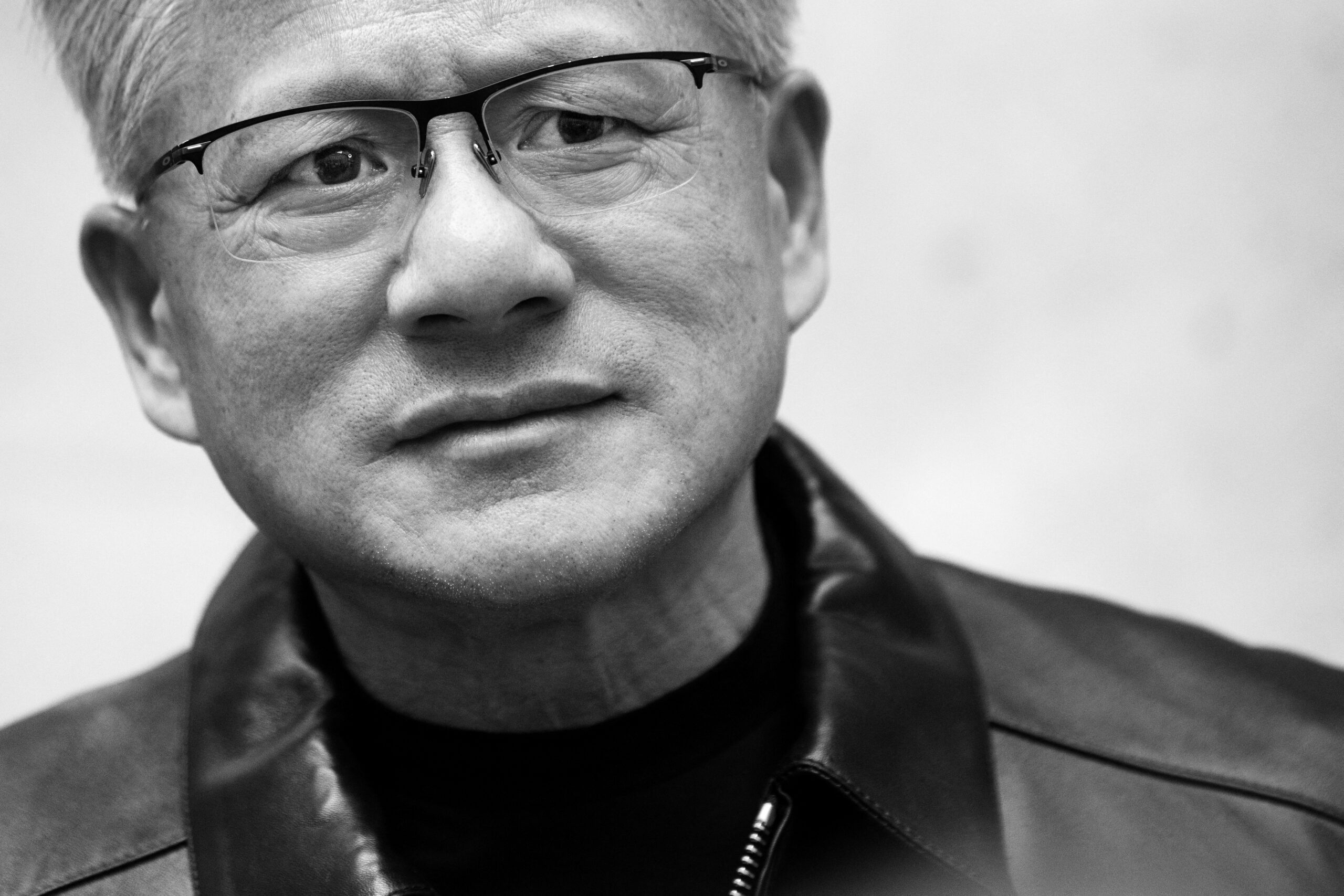
Recent revelations about Nvidia show the potential vulnerabilities. Its advanced chips and AI technologies have significant applications in military systems, intelligence capabilities and defence research, making the company an attractive intelligence target. The New York Times reported that its CEO, Jensen Huang, had been linked to a woman suspected by US intelligence officials of working for Chinese intelligence. The newspaper separately reported that China’s military had actively sought Nvidia’s advanced AI chips since 2019. Huang stepped down on 12 November but was reinstated 23 November.
While neither report establishes that Huang knowingly compromised sensitive information, the allegations highlight an enduring counterintelligence vulnerability: trusted personal relationships can provide opportunities to gain access, cultivate influence and potentially collect commercially or strategically sensitive information.
A separate case involving OpenAI shows the risks posed by individuals with legitimate organisational access. In October, the FBI arrested Abdulrahman Alfozan, a Saudi national who had worked at OpenAI since mid-2025, for allegedly bugging a executive conference room. Federal prosecutors also alleged that Alfozan maintained frequent contact with a member of the Saudi royal family and had business connections with Saudi investors. Those associations do not establish foreign intelligence direction, and the criminal allegations remain unproven. Nevertheless, the case illustrates how an individual with legitimate access to an organisation can potentially bypass sophisticated technological safeguards through relatively simple means.
Neither case required a sophisticated cyberattack to create a potential security vulnerability. Trust and personal access were enough. As AI becomes increasingly central to national security, economic competitiveness and critical infrastructure, Australia’s personnel-security arrangements must evolve to address this.
Personnel security has long been central to protecting our defence, intelligence and national security institutions. Government employees requiring ongoing access to classified information must hold appropriate security clearances, as must private-sector contractors and service providers. Australia’s critical infrastructure framework also provides for background checks and personnel-risk management in designated sectors.
But boundaries between government, industry and national security are changing. Artificial intelligence is increasingly embedded in defence, intelligence, healthcare and essential services. Some of the most strategically significant AI technologies are being developed and operated by private companies outside national security structures. These organisations may hold intellectual property, sensitive data and technological capabilities of enormous strategic value without necessarily being subject to the same personnel-security obligations as government agencies.
The challenge is becoming more pressing as the AI workforce expands. PwC’s 2026 AI Jobs Barometer found that Australian job advertisements requiring AI skills had risen from approximately 20,000 in 2024 to 41,000 in 2025. This growth is important for Australia’s productivity and technological competitiveness. But larger, internationally connected workforces and the movement of specialist personnel between organisations also create challenges for managing access, identifying vulnerabilities and protecting sensitive intellectual property. To address this challenge personnel-security arrangements must become more sophisticated, proportionate and responsive to changing risks.
Existing mechanisms, including the Australian Government Security Vetting Agency and AusCheck, provide a foundation for considering more targeted approaches. The priority should be identifying strategically sensitive AI capabilities, determining which positions present material security risks and ensuring that appropriate screening and ongoing personnel-security measures apply.
Importantly, vetting is not a one-off guarantee of trustworthiness. An individual may be entirely suitable when recruited but subsequently become vulnerable to coercion, financial inducement, manipulation or ideological influence. Effective personnel security therefore requires continuing risk assessment, security awareness, access controls and mechanisms for identifying and managing emerging vulnerabilities.
The objective is to ensure that trust is accompanied by appropriate safeguards. The trusted insider isn’t a new threat, but the technologies and opportunities available to those who might exploit trusted access are changing rapidly. Our personnel-security arrangements need to evolve accordingly.
About Author