Are healthcare data systems supported by NHIs effectively
Can Machine Identities Be the Key to Greater Security in Healthcare Data Systems?
Where data breaches are alarmingly frequent, the role of Non-Human Identities (NHIs) in safeguarding healthcare data systems has garnered increased attention.

What makes AI in travel industry security powerful
Can Machine Identities Be the Key to Greater Security in Healthcare Data Systems?
Where data breaches are alarmingly frequent, the role of Non-Human Identities (NHIs) in safeguarding healthcare data systems has garnered increased attention. Understanding and harnessing the power of NHIs can significantly mitigate risks, enhance compliance, and improve operational efficiency across various industries, including healthcare. So, what exactly makes NHIs a pivotal element in data security?
Understanding Non-Human Identities in Healthcare
NHIs are more than just machine identities; they represent a fusion of encrypted secrets and the specific permissions granted by servers, akin to a passport and visa system. In healthcare, where sensitive patient information and critical operations rely heavily on digital interoperability, NHIs ensure that only approved entities have access to vital systems and data. This is especially crucial as healthcare providers increasingly adopt cloud-based solutions, necessitating an advanced framework to govern access securely.
The application of NHIs in healthcare data systems is comparable to an airport’s security system, where every traveler (or machine) must present valid credentials to move through checkpoints. By effectively managing NHIs, healthcare organizations can ensure that this flow remains orderly and secure, significantly reducing the risk of unauthorized data access and potential breaches.
Lifecycle Management: A Holistic Approach
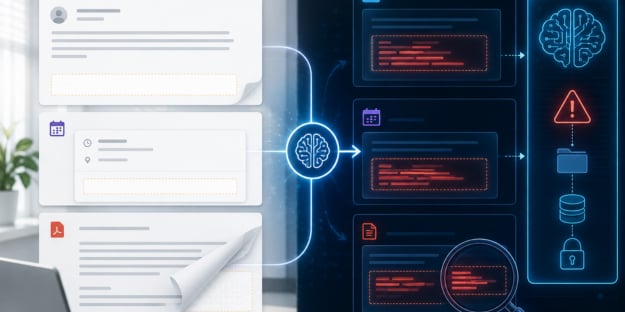
Managing NHIs extends beyond mere identification and verification. It encompasses a comprehensive lifecycle approach that includes:
Discovery and Classification: Identifying all machine identities across the ecosystem and categorizing them based on their access and criticality.
Continuous Monitoring: Keeping a vigilant eye on activity patterns to detect anomalies that may signal potential threats.
Threat Detection and Remediation: Quickly responding to detected threats with effective countermeasures to minimize damage.
This holistic management system aligns security initiatives with operational goals, promoting seamless collaboration between security and research and development teams. This is particularly relevant for healthcare provider networks, which often represent a complex web of interconnected systems and devices.
The Strategic Benefits of NHI Management in Healthcare
Effective NHI management brings several strategic benefits, especially within healthcare systems:
Reduced Risk: Proactive identification and mitigation of security risks can substantially decrease the likelihood of breaches and data leaks, safeguarding patient information.
Improved Compliance: By fostering robust policy enforcement and maintaining comprehensive audit trails, organizations can ensure adherence to stringent healthcare regulations like HIPAA.
Increased Efficiency: Automating the management of NHIs and secrets allows security teams to pivot to more strategic initiatives, enhancing overall productivity.
Enhanced Visibility and Control: A centralized view of access management enables more effective governance of data systems.
Cost Savings: Automation reduces operational costs by streamlining processes like secrets rotation and NHIs decommissioning.
Addressing Security Gaps with Context-Aware Strategies
Where the stakes are as high as patient safety and health outcomes, addressing security gaps is a priority. NHIs offer a platform for a context-aware security strategy, providing insights into ownership, permissions, usage patterns, and potential vulnerabilities. This level of detail empowers healthcare organizations to:
– Implement precise access controls tailored to specific needs and risks.– Identify patterns that might indicate a misuse of permissions or potential breaches.– Alleviate the disconnect between security and development teams by offering an integrated platform that aligns both objectives.
For a deeper understanding of how NHIs can elevate your organization’s security posture, consider exploring Non-Human Identities Security in Healthcare, which delves into this topic with industry-specific insights.
Navigating the Cloud with Confidence
Many healthcare providers are shifting towards cloud infrastructures to leverage flexibility and scalability. However, this transition presents new challenges in data security. NHIs offer a framework to manage access across cloud environments effectively, ensuring that only authorized entities interact with critical healthcare applications and databases.
For organizations eyeing a seamless transition to the cloud while maintaining robust security measures, incorporating NHIs into the broader cybersecurity strategy is crucial. The Elastic’s Playbook: From Visibility to Automation provides valuable guidance on implementing NHIs in cloud settings.
By utilizing NHIs, healthcare organizations can transform their security posture from reactive to proactive, preventing security incidents before they arise and protecting sensitive patient data with a more intelligent and automated approach.
Building Trust Through Enhanced Security Measures
Why is trust such an essential component in healthcare, and how do Non-Human Identities (NHIs) play a role in fostering it? At its core, healthcare is predicated on trust between patients and providers, making the security of patient data crucial to maintaining this trust. NHIs provide a sophisticated layer of defense, ensuring that sensitive information remains secure and only accessible to authorized entities.
The adoption of NHIs helps mitigate human error, which is often a significant cause of data breaches. With machine identities taking the helm, healthcare organizations can ensure meticulous checks on access and data usage, reducing the margin for error. This capability proves indispensable in sustaining patient confidence, which is fundamental for the success of any healthcare entity.
Strategic Insights for Implementing NHIs
For healthcare organizations looking to harness the full potential of NHIs, strategic planning is essential. Here are key insights for implementing NHIs effectively:
Interdepartmental Collaboration: Foster collaboration between IT, security, and R&D departments to ensure alignment on security goals and seamless integration of NHIs across all operations.
Training and Awareness: Ensuring that all stakeholders understand the importance of NHIs and are equipped to incorporate these measures within their workflows.
Regular Audits: Conducting regular audits of NHIs to ensure they remain effective and adapt to evolving threats. Regular reviews also help validate compliance with regulations.
Integration with Existing Systems: Focus on seamless integration of NHIs into existing systems and technologies to maximize their efficacy and avoid operational disruptions.
Implementing these strategies will enable healthcare organizations to leverage NHIs as a crucial component of their cybersecurity strategy, ensuring a more resilient defense against threats.
Cross-Industry Applications of NHI Management
While our primary discussion has centered on healthcare, it’s essential to recognize that the value of NHIs extends beyond this industry. NHIs offer significant benefits in various sectors, including finance, travel, and DevOps. Their capability to secure machine interactions and protect sensitive data makes them invaluable in any field that deals with critical information and automated systems.
For instance, financial institutions face constant threats from cyber attackers looking to exploit vulnerabilities for financial gain. NHIs provide a robust mechanism to safeguard financial data, ensuring that only verified machine identities can access systems holding monetary assets.
Similarly, in travels, where customer data is exchanged across multiple platforms, NHIs enable secure authentication and data encryption, preventing unauthorized access and data breaches.
In DevOps environments, NHIs can automate secrets management and oversee machine identities, freeing developers to focus on enhancing software and services without compromising security.
Bridging the Security-Operations Gap
A significant challenge many organizations face is the disconnect between security and operational teams, often due to differing priorities. NHIs can bridge this gap, providing a common platform that aligns the objectives of both groups. By doing so, NHIs facilitate a more cohesive approach to data security, enhancing communication and reducing friction between teams.
Aligning these teams helps ensure that security protocols are not seen as barriers but as vital components that enhance the operational effectiveness of the organization. This alignment is particularly crucial in environments where time is of the essence, such as in cloud-based DevOps or in industries with rigorous operational schedules like airlines.
To learn more about how organizations overcome these challenges, the Agentic AI OWASP Research details how AI can enhance security compliance and collaboration in complex environments.
Preparing for Future Challenges
With technology evolves, so will the challenges presented in securing machine identities. The focus must remain on developing adaptive strategies capable of evolving alongside technological advancements. NHIs represent a forward-looking approach, ensuring organizations are well-equipped to handle future threats with resilience and agility.
Businesses must invest in continuous learning and development to keep up with advancements in NHI management. Incorporating feedback from all levels will ensure that organizations build a robust, future-proof security infrastructure.
With healthcare and other industries continue to rely more heavily on cloud solutions, NHI management will become increasingly critical in protecting sensitive data and ensuring compliance. Organizations must prepare to meet these challenges with proactive measures, leveraging NHIs to safeguard their complex systems against emerging threats.
To stay informed on industry trends and best practices surrounding NHI management, consider exploring additional resources such as Entro Joining the Silverfort ISA, which provides insights into collaborative efforts.
By embedding these principles into their operations, organizations can achieve a strong foundation in data security, significantly reducing the risk of breaches while ensuring a seamless and secure experience for all stakeholders involved. While the demand for secure digital solutions grows, NHI management will undoubtedly remain a fundamental pillar in modern cybersecurity.
The post Are healthcare data systems supported by NHIs effectively appeared first on Entro.
*** This is a Security Bloggers Network syndicated blog from Entro authored by Alison Mack. Read the original post at: https://entro.security/are-healthcare-data-systems-supported-by-nhis-effectively/
About Author