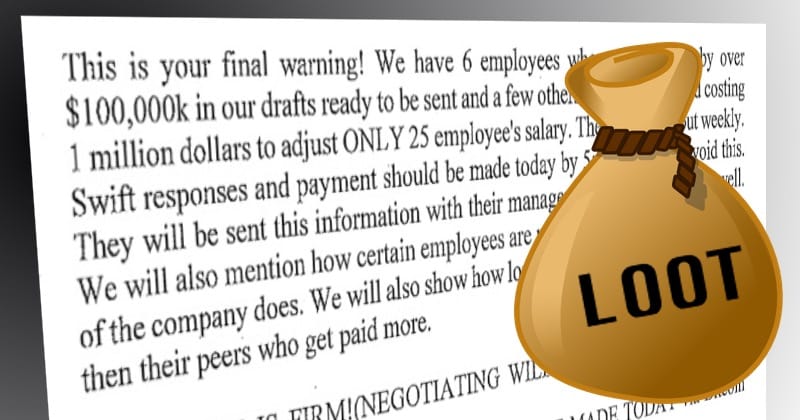
W-2s are arriving, and tax season officially begins the moment they do.
That timing makes this a prime window for tax scams, especially phishing attempts designed to look like routine requests from employers or the IRS. Knowing how these scams work can help you protect your information before filing.
What Is a W-2 Phishing Scam?
A W-2 phishing scam is a form of social engineering where scammers trick you into sharing your W-2 or other tax information.
These scams often impersonate:
- The IRS or a tax authority
- Your employer or HR department
- A payroll provider or tax software company
Modern phishing emails are often polished, correctly branded, and free of obvious spelling or grammar mistakes. Knowing how to spot phishing emails now requires paying attention to context and behavior, not writing quality alone.
How W-2 Phishing Scams Usually Work
Most W-2 scams follow a familiar pattern:
- A message arrives when you expect tax communication
- It appears official or internal
- You’re asked to upload, email, or confirm documents
- A link or attachment leads to a fake portal or malware
Modern phishing emails are often well written, branded correctly, and free of obvious mistakes. Grammar alone is no longer a reliable warning sign.
Why W-2 Scams Are So Dangerous
A stolen W-2 isn’t just a tax problem.
Once scammers have access to your personal and income information, they can:
- File a fraudulent tax return and claim your refund
- Open new credit accounts
- Apply for loans or benefits
- Sell your identity data
According to the FBI’s Internet Crime Complaint Center, tax-related phishing spikes every filing season, and recovery can take months or longer once fraud occurs.
Tax Refund Scams and IRS Phishing Scams Explained
Tax refund fraud happens when scammers use stolen identity information, often obtained through W-2 phishing, to file a tax return before you do.
Many victims don’t discover the fraud until:
- Their return is rejected because one was already filed
- The IRS notifies them of suspicious activity
- Their expected refund never arrives
Scammers often follow up with fake messages claiming there’s a “refund issue” that requires you to verify personal information, pushing victims deeper into the scam.
Filing early is one of the most effective ways to reduce refund fraud risk.
Other W-2 and Tax Season Scams to Watch For
Fake Tax Preparation Websites
Some scammers create lookalike tax filing sites or buy ads that redirect to fraudulent portals. These sites collect W-2s, Social Security numbers, and banking details.
Red flag: Misspelled URLs, unfamiliar domains, or sites asking for excessive information up front.
IRS Impersonation by Phone or Text
Scammers call or text claiming to be IRS agents, sometimes spoofing caller ID.
Important: The IRS does not initiate contact by phone, text, or social media demanding immediate action or payment.
Workplace W-2 Requests
Employees may receive emails appearing to come from HR or payroll asking them to resend W-2s or verify information.
Red flag: Requests that feel rushed or arrive outside normal company processes.
Practical Steps to Protect Your W-2 and Tax Information
Verify before you share
If someone asks for your W-2 or tax documents, confirm the request through a separate channel before sending anything.
Use secure sharing methods
Avoid emailing tax documents as attachments. Use secure portals or encrypted file-sharing tools whenever possible.
Protect your devices and use a VPN
Keep your devices updated and use security tools that can flag malicious links, fake sites, and suspicious messages across email, text, and social platforms. Whether you’re submitting taxes on an unsecure network at a public coffee shop, or on your home’s private Wi-Fi, a VPN adds an extra layer of security and protection as you file.
File as soon as you’re ready
Early filing limits the window scammers have to file a fraudulent return in your name.
Watch for refund red flags
Unexpected refund notices, verification requests, or delays should be checked directly through official IRS channels, not links in messages.
What to Do If You’re a Victim of a W-2 Phishing Scam
If you believe your tax information was exposed:
- Stop communicating with the sender
- Contact the IRS and file Form 14039 (Identity Theft Affidavit)
- Report the scam to the FTC at FTC.gov
- Monitor financial and credit accounts
- Consider a fraud alert or credit freeze
- Run a security scan on your device (check out our free trial)
Taking action early can significantly reduce long-term damage.
Frequently Asked Questions
| Q: Does the IRS ever email or text about tax issues?
A: No. The IRS does not request personal or financial information via email, text, or social media. |
| Q: Can someone file taxes using my W-2?
A: Yes. With enough personal information, criminals can file a fraudulent return and claim your refund. |
| Q: What is tax refund fraud?
A: Refund fraud occurs when scammers file a false tax return using stolen identity data and collect the refund before the real taxpayer files. |
| Q: How can I tell if a tax filing website is fake?
A: Check the URL carefully, avoid ads that redirect unexpectedly, and use well-known, verified services. |
| Q: Is it safe to email my W-2 to my accountant?
A: Email is not ideal. Secure portals or encrypted file-sharing tools are safer options. |
The post W-2s Are Arriving. Here’s How to Spot and Avoid Tax Scams appeared first on McAfee Blog.
About Author