Vonage, Girls Who Code Show What ‘Responsible AI’ Looks Like

As AI reshapes software development, cybersecurity, and business technology, the companies that stand out will not be just those shipping new tools. They will be the ones investing in the people who will build, govern, and improve them.
That’s what makes Vonage’s new partnership with Girls Who Code more than a feel-good summer initiative. It is a sharper signal of where the tech industry is heading and what responsible leadership looks like in the AI era. By helping students gain early exposure to AI, coding, and real-world development skills, Vonage is helping shape a stronger, more inclusive talent pipeline for the next generation of tech.
In a market obsessed with AI announcements, that kind of investment carries real weight. Programs like this help close critical skills gaps, bring more diverse perspectives into AI development, and offer a clearer picture of the capabilities tomorrow’s IT workforce will need.
What Vonage announced
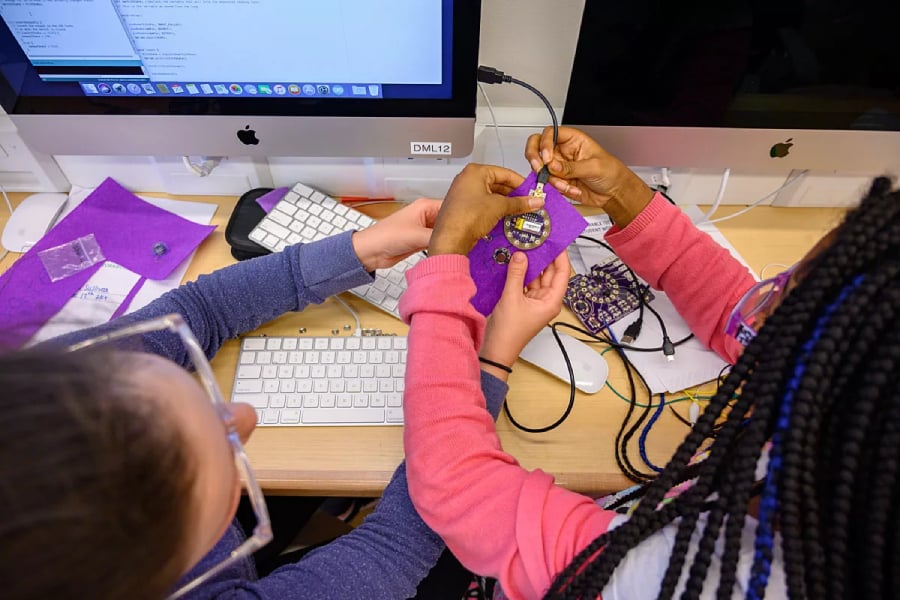
Vonage is partnering with Girls Who Code to deliver a Pathways-style summer program that offers high school students hands-on experience in web development, cybersecurity, AI, data science, and game design. Students will gain exposure to real-world tech careers and to Vonage’s network and communications APIs, with industry leaders serving as mentors and instructors.
This builds on earlier support from the Vonage Foundation for Girls Who Code’s Summer Immersion Program, an initiative to expand opportunities in tech and build a more diverse talent pipeline. Girls Who Code has already reached hundreds of thousands of students worldwide and is explicitly targeting emerging fields such as AI and cybersecurity, not just general coding.
Why this matters in the AI era
AI is becoming a baseline capability for developers, IT pros, and even business technologists, making broad access to AI skills essential rather than optional. At the same time, AI systems are being embedded in critical workflows — from hiring to healthcare — so homogeneous teams building those systems pose real risks, from biased models to products that simply don’t work for large segments of users.
Diversity in AI development is now a quality issue, not just a social good: more diverse teams are better at spotting edge cases, challenging assumptions, and designing inclusive solutions. By exposing a broader group of students, especially young women, to AI, security, and data science early, initiatives like Vonage’s help ensure the next generation of AI builders looks more like the users they serve, ultimately leading to better, safer products.
Why vendors need to do more than just market AI
Every vendor is putting “AI” on the slide, but very few are investing in the human infrastructure that will make their platforms useful and trustworthy over the next decade.
If your roadmap is full of AI copilots, code assistants, and intelligent APIs, you are implicitly betting on a workforce that understands how to design, integrate, and govern those tools… and right now that workforce is in short supply.
Programs like this also drive long-term ecosystem development: students who learn on your APIs and platforms today are far more likely to recommend and adopt them as professional developers or architects tomorrow. Moreover, aligning your brand with credible nonprofits focused on closing the gender gap in tech can strengthen trust among enterprise buyers who increasingly value responsible and inclusive AI practices.
Advice for vendors: How to build meaningful programs
For vendors that want to emulate this approach rather than flood the market with press releases, several aspects of Vonageis approach are worth examining.
- Focus on AI and adjacent skills that will be in demand, such as data literacy, cloud-native development, and cybersecurity, rather than generic “coding clubs.”
- Partner with organizations that already have scale and reach in underrepresented communities rather than trying to build everything in-house from scratch. Black Girls Code is an organization I would like to see receive corporate support. Black girls make up only 2-3% of the computing workforce despite comprising about 6-8% of the overall population.
- Embed your own platforms into the curriculum in a genuinely educational way. Give students APIs, sandboxes, and real-world scenarios, not just branded swag.
- Treat diversity and inclusion as design constraints for your programs. Use inclusive recruitment, scholarships, mentorship, and local support — so you’re not only attracting students who already see themselves as “tech people.”
Building a sustainable talent pipeline
A one-off sponsorship won’t move the needle; vendors need longitudinal programs that connect awareness, education, and early-career opportunities.
Link K–12 or high school programs to internships, apprenticeships, and entry-level roles to create a clear path from classroom to career. Also, invest in mentors and role models from within your engineering and product teams, especially women and technologists from underrepresented backgrounds, to make tech careers feel tangible.
Vendors should also use these partnerships as listening posts: bring feedback from students and nonprofits back to product teams to inform the design and documentation of their AI tools. The companies that close the loop between ecosystem education and product design will build platforms that are easier to adopt and less likely to produce harmful or biased outcomes.
Why IT pros should care
For working IT professionals, deals like the Vonage–Girls Who Code partnership indicate where the industry expects demand to be in three to five years. When workforce programs emphasize AI, cybersecurity, data science, and web development together, they signal the blended skill sets enterprises will value most.
The message is that AI literacy, a security mindset, and data fluency are now table stakes across roles — not specialties reserved for a handful of experts. Even if you never become a machine learning engineer, you’ll be expected to frame the right problems for AI, evaluate model outputs, integrate AI services, and explain trade-offs to business stakeholders.
Practical advice: Keeping your skills current
The good news is that the same forces reshaping the industry are also enabling unprecedented access to learning. While AI will take some jobs, it will also create new ones. Here’s the best way to ensure you’re on the right side of this transition.
- Build AI and data literacy: Take vendor-neutral courses on machine learning basics, then layer in platform-specific training from AWS, Microsoft, or Google to deploy real workloads.
- Pursue targeted certifications that align with AI trends, such as cloud AI engineer, machine learning specialty, or cybersecurity credentials, but focus on using them as scaffolding for hands-on projects.
- Strengthen soft skills that AI can’t easily replace, such as communication, critical thinking, stakeholder management, and the ability to translate technical issues into business impact.
- Adopt a continuous learning habit. Set aside time each week to experiment with AI tools, follow industry sources like TechRepublic, and engage in community programs, meetups, or mentoring opportunities.
Crucially, look for ways to give back to the ecosystem — guest mentoring a local coding program, participating in nonprofit initiatives, or speaking to students — because teaching others forces you to clarify your own understanding. In an AI-driven market where tools evolve quickly, your adaptability and your network will matter as much as any single certification logo on your résumé.
The bigger picture for the industry
Partnerships like the one between Vonage and Girls Who Code are early examples of what responsible AI-era leadership should look like among technology vendors. They connect corporate strategy, social responsibility, and concrete talent development in ways that benefit both the next generation of developers and the enterprises that will eventually hire them.
As AI continues to transform the world of work, the divide will widen between organizations that invest in inclusive, future-ready skills ecosystems and those that assume the talent will simply appear when needed. For vendors and IT pros alike, the signal is clear: in the AI era, building and refreshing human capability is not a side project… it is the strategy.
Check out TechRepublic’s roundup of the top-rated programs for developers, IT pros, and beginners looking to stay competitive in the AI era.
About Author