United Airlines Won’t Let Personal AI Agents Book Your Flights
Your AI butler can find a flight, but United Airlines won’t let it buy the ticket.
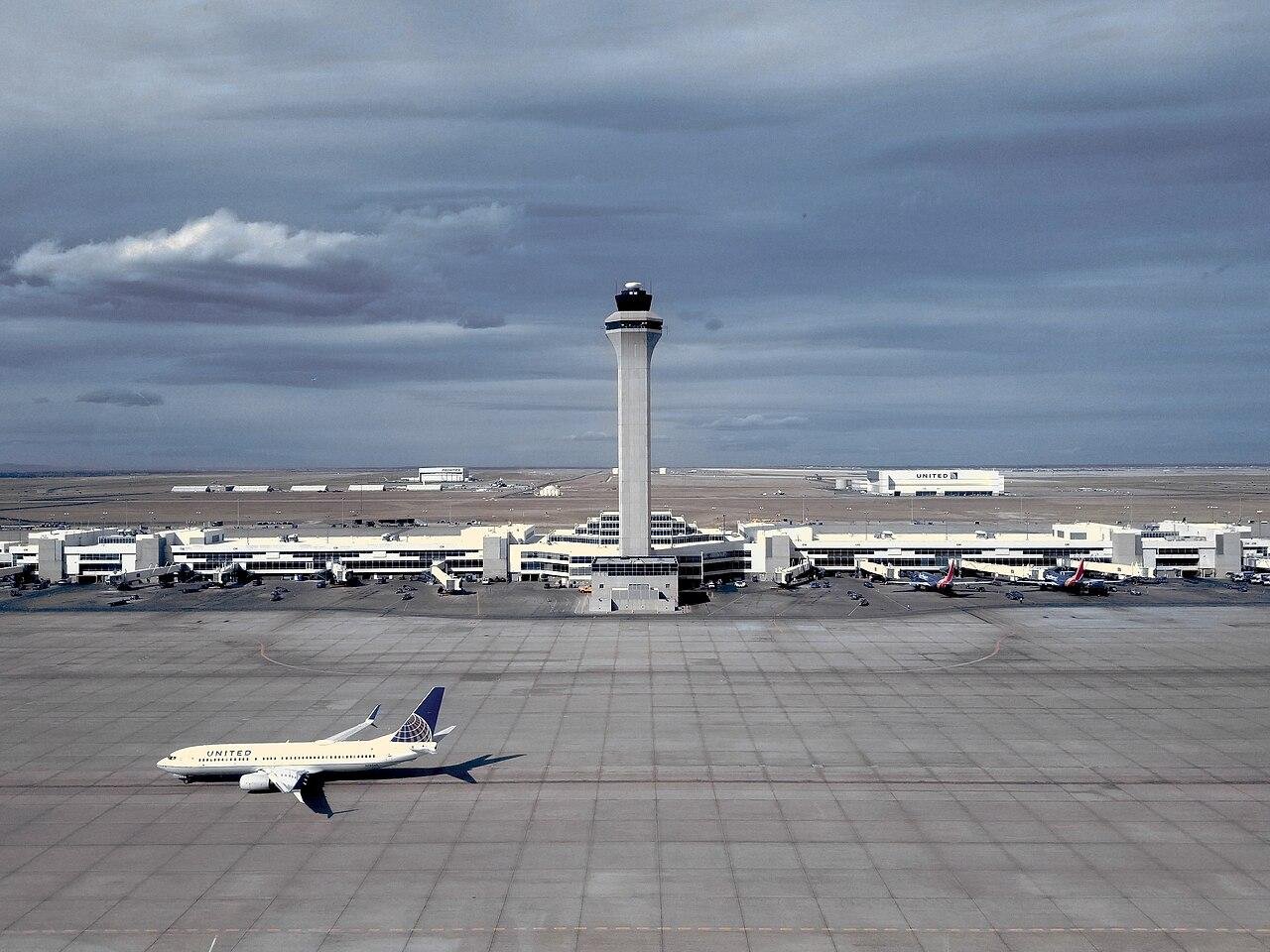
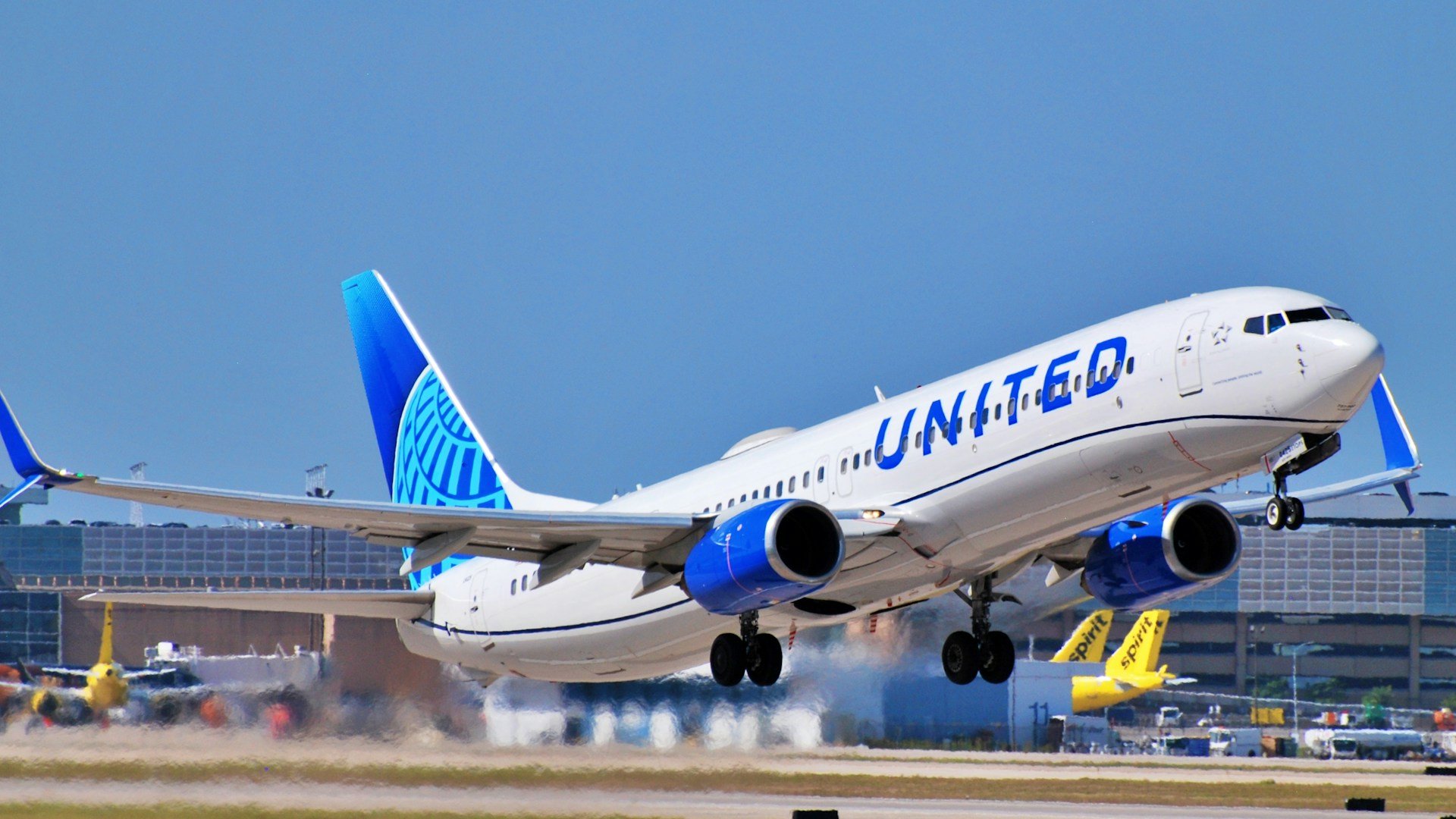
The airline announced Nov. 11 that it is restricting unauthorized third-party AI agents from completing transactions through its booking systems, potentially complicating plans for travelers who want autonomous assistants to handle purchases on their behalf.
United cited concerns about account security, unauthorized transactions and regulatory requirements. But CEO Scott Kirby also raised a commercial consideration: the airline doesn’t want another middleman between itself and its customers.
Why United is restricting AI booking agents
While bots like Meta’s Muse and OpenAI’s Dots can still display United’s schedules and compare fares, they are blocked from checking out.
United cited several key risks behind the restriction:
- Credential exposure: Sharing logins with third parties leaves sensitive personal information vulnerable.
- Unauthorized activity: AI tools can trigger unintended seat changes, accidental purchases, or drain MileagePlus rewards.
- Regulatory non-compliance: Federal Aviation Administration and Department of Transportation rules require human verification, such as passengers legally certifying during check-in that their baggage contains no explosives.
The restrictions do not necessarily prevent travelers from using AI to research flights or compare fares. The distinction is whether an unauthorized agent can complete a transaction through United’s systems.
Speaking at an event in Chicago on Tuesday, United Chief Executive Scott Kirby made the commercial motivation just as clear as the security concerns.
“To be honest, I don’t want to create another middleman,” Kirby said, according to The Wall Street Journal.
Divergent industry strategies
United’s defensive posture aligns it with retailers like Amazon, which also blocks bots like Muse, while rivals chart entirely different paths.
| Airline | Approach to AI agents | Direct integration |
|---|---|---|
| United | Hard block on booking transactions | None; updates to Digital Trust Center |
| Delta | Permits authenticated agent bookings | Deploys proprietary in-app Delta Concierge |
| Southwest | Explores conversational discovery | Launched direct ChatGPT plug-in |
| American | Restricts unauthorized bots | Permits bookings via approved partners |
Advertisement
Agentic friction and the API gatekeeper dilemma
Enterprise pushback against autonomous software boils down to platform ownership and liability. When an autonomous system clicks “buy,” the legal chain of consent fractures. If an agent books a non-refundable seat by mistake, airlines face customer service backlash without clear attribution for the fault.
Furthermore, agentic commerce strips away ancillary revenue opportunities, bypassing high-margin upsells like priority boarding and co-branded credit card promotions.
Rather than a total ban, expect carriers to erect authenticated, paid enterprise APIs, ensuring airlines retain direct revenue channels before letting machines hold the wallet.
What travelers need to know
For individual flyers and business travelers, the booking workflow is suddenly disjointed:
- Browse with AI, purchase with humans: Travelers can still use generative AI to research trip itineraries and price-track options, but humans must complete the final payment screen manually.
- Check loyalty accounts: Travelers who have tested agent tools should audit their loyalty accounts for unapproved account linkages or automated mileage activity.
- Corporate travel impact: Enterprise teams utilizing emerging automated travel assistants must ensure corporate booking tools rely on authorized Global Distribution Systems rather than consumer-facing autonomous bots.
The decision also points to a broader challenge for agentic AI. Personal assistants may become increasingly capable of making purchases, but their usefulness will depend on whether businesses trust them to act on customers’ behalf.
For now, United is drawing a distinction between AI helping travelers choose a flight and AI being allowed to buy one.
Advertisement
In other news, Microsoft Teams is introducing AI-powered phishing detection and deepfake warnings to help organizations identify suspicious communications and potential impersonation attempts as AI-driven scams become more convincing.
About Author