Survey finds 84% of Australians expect AI to increase cybercrime
New research from Sekuro and Women in Digital has found 84% of Australians believe artificial intelligence will increase the rate of cybercrime, as most respondents report already using AI tools.
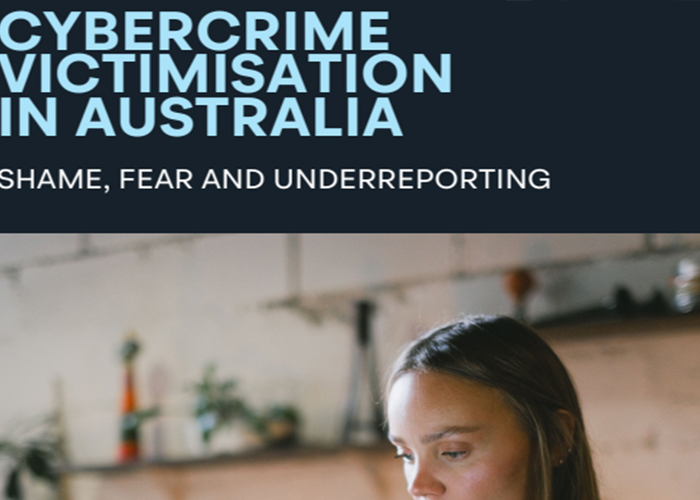
The findings come from a nationally representative survey of 2,003 Australian adults published in the Cybercrime Victimisation in Australia report. It found 74% of Australians are using AI, including 45% who use it at least weekly.
Concern about the security impact of AI was widespread, with the research reporting eight in 10 Australians are concerned AI will increase their vulnerability to cyber attacks, including 37% who said they were “very concerned”. The report said worry about AI-enabled cybercrime was more pronounced among older Australians, with almost half of those aged 65 and over described as “very worried”, compared with around one in four respondents aged 18–34.
Beyond AI, the report pointed to a high level of cybercrime exposure in the community. It found 42% of Australians had been exposed to cybercrime in the past five years, including 27% who became victims. Repeat victimisation was also reported, with 40% of people who said they had been hacked indicating they had been victimised more than once.
The authors also highlighted underreporting, describing a “dark figure” of cybercrime that does not appear in official statistics. According to the report, 44% of Australians who experienced cybercrime did not report the incident through any channel, rising to 51% for data breaches.
While overall cybercrime victimisation rates were reported as similar for men and women, the report said women experience a disproportionate share of more targeted forms of cybercrime, including digital stalking, coercive control and image-based abuse.
Holly Hunt, CEO and Founder of Women in Digital, said the headline figures did not capture the personal nature of many incidents. “Cybercrime can be deeply personal for victims, whether it involves sensitive information, threats or intimidation. When technology is used to stalk, control or exploit someone, the consequences can extend beyond the digital world and into people’s everyday lives,” Ms Hunt said.
“Shame can also play a powerful role in keeping victims silent. Fear of judgement, further exposure or being blamed can stop people from reporting, creating cybercrime that sits outside our official statistics and leaves some of the most harmful forms of offending largely unseen,” she said.
The report cited data from the Australian Institute of Health and Welfare and the eSafety Commissioner indicating women are significantly more likely than men to experience technology-facilitated abuse from an intimate or former partner, and are twice as likely to fear for their physical safety as a result, at 26.3% compared with 12.6%.
It also referenced research from ANROWS suggesting underreporting is particularly acute for technology-facilitated abuse, with 97.6% of victims not reporting to eSafety and 91.7% not reporting to police. More than one in three victims (34.3%) told nobody about their experience, according to the report.
Respondents reported growing concern about cybercrime more broadly, with 71% worried about cybercrime affecting themselves or their family, and 59% saying they were more worried than two years ago. Financial scams were cited as the top concern (29%), followed by hacking (27%) and data breaches (24%).
The report found most Australians are taking steps to protect themselves online, with 98% reporting some action. Common measures included avoiding suspicious links and emails (79%), using multi-factor authentication (71%) and limiting the personal information shared online (65%).
Noel Allnutt, CEO at Sekuro, said the report’s findings suggested responsibility for prevention needs to sit more with organisations and government than with individuals. “We know most Australians are already taking steps to protect themselves online. However, cyber hygiene is becoming increasingly overwhelming, and preventing cybercrime can’t rest on individuals alone. Mr Allnutt said.
“This overlooks how complicated these situations can be, particularly when cybercrime becomes personal and criminals take advantage of people’s trust and vulnerability.
“We need systems, workplaces and technologies that recognise how criminals target people, and make it easier for victims to know where to turn and get help when they need it.”
The report calls for changes to how Australia responds to cybercrime, including simplifying and making reporting safer, and outlining six recommended areas for improving how victims report and seek support, including establishing a single national reporting pathway and preparing for AI-enabled cybercrime.
You can read the full report here.
About Author