A tax system breach in Oklahoma is putting highly sensitive personal information at risk. And unfortunately, this is exactly the kind of situation scammers love to exploit.
Hackers reportedly accessed W-2 and 1099 files through Oklahoma’s online tax portal, according to state officials, exposing the kind of information that can open the door to tax fraud, identity theft, and highly targeted phishing attempts.
Before the follow-up scams start rolling in, this is the kind of moment where layered protection matters. McAfee+ Advanced includes identity monitoring and data cleansup that can help alert you if your personal information starts circulating where it shouldn’t, and Scam Detector can flag suspicious messages if scammers try to use this breach as a hook.
What Happened in Oklahoma
According to a statement by the Oklahoma Tax Commission and reported by KOCO News 5, a local ABC affiliate, suspicious activity inside the state’s Oklahoma Taxpayer Access Point system was identified in December 2025. The agency says impacted individuals have been notified directly by mail, and complimentary credit monitoring and fraud assistance are being offered.
When W-2s, 1099s, Social Security numbers, and tax-related records are exposed, scammers can use that information to:
- File fraudulent tax returns
- Try to open new accounts
- Build phishing emails or texts that feel unusually real
Either way, the goal is the same: use real information to make the next scam more believable.
Red Flags of a Scam After a Breach Like This
The breach itself is real. But what often follows is a second wave of scams pretending to help.
Watch For:
- Emails or texts about your “tax account” that create urgency
- Messages asking you to verify personal information
- Fake alerts about refunds, filings, or suspicious activity
- Links telling you to log in and “secure” your account
That’s where people can get hit twice: once by the breach, and again by the scam that follows it.
What To Do If You’re Impacted
First, don’t panic. Then:
- Take advantage of any free credit monitoring or fraud assistance being offered
- Monitor your bank accounts, tax records, and credit reports closely
- Consider placing a fraud alert or credit freeze if needed
- Be extra careful with any message referencing taxes, refunds, or account access
- Go directly to official sites instead of clicking links in emails or texts
And that, my friends, is scam number one in this week’s This Week in Scams.
Let’s get into what else is on our radar.
The FBI Impersonation Scam Showing Up Across the U.S.
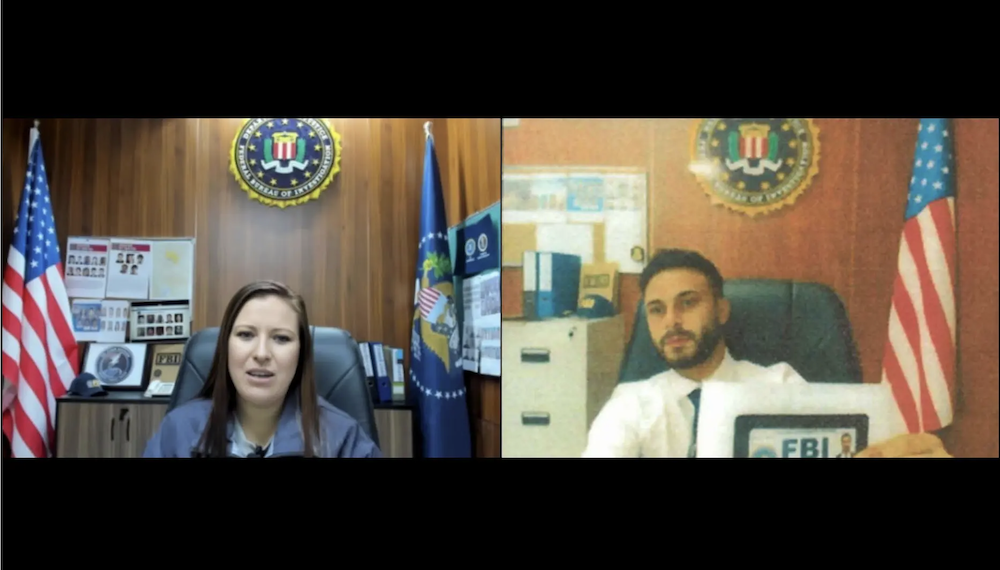
Scammers pretending to be federal agents are making the rounds across the country, and this one is built to make people panic fast.
Field offices, including Chicago and Houston, are warning the public about fraudsters posing as FBI agents in calls, texts, and emails. In some cases, the scammers claim you’re connected to an investigation. In others, they say you’re a victim of fraud and need to act immediately to protect yourself.
Sometimes they do not stop there. They may also pretend to be bank employees working alongside the FBI, all to make the story feel more convincing and get access to your money or personal information.
Why This Scam Works
This scam plays on the same pressure tactics we’ve seen over and over again: authority, urgency, and confusion.
If someone claims to be a federal agent, many people freeze up and assume they need to cooperate immediately. That’s exactly what scammers are counting on.
The FBI has been clear about this: federal law enforcement will not ask you for money or sensitive personal information over the phone, by text, or by email.
The Red Flags in This Message
- Unsolicited outreach from someone claiming to be federal law enforcement
- Pressure to act immediately
- Requests for money, gift cards, prepaid cards, or personal information
- Instructions to keep the conversation secret
- Stories involving a bank “working with” the FBI
If it feels dramatic, high-pressure, and just a little off, trust that instinct.
What To Do if You Get One Of These Messages
- Do not respond
- Do not send money or share personal information
- Contact the agency directly using publicly listed contact information
- Save the message for your records
- Report it to the FBI: 1-800-CALL-FBI (225-5324), or online at tips.fbi.gov.
This is also exactly the kind of message McAfee’s Scam Detector is built to flag before you get pulled in.
How McAfee Helps You Stay Ahead of Scams and Breaches
McAfee+ Advanced gives you multiple layers working together so you are not left figuring it out after the damage is done:
- Identity Monitoring alerts you if your personal info shows up where it should not, so you can act fast
- Personal Data Cleanup helps remove your information from data broker sites, making you harder to target in the first place
- Scam Detector flags suspicious texts, emails, links, and even deepfake videos before you engage
- Safe Browsing helps block risky sites if you do click
- Device Security helps detect malicious apps or downloads
- Secure VPN keeps your data private, especially on public Wi-Fi
This kind of layered protection is critical in cases like ghost student scams, where the first sign of fraud often comes after financial damage has already happened.
Safety tips to carry into next week
- Be extra cautious after any real breach makes headlines
- Do not trust unsolicited messages just because they reference real institutions
- Never send money to someone claiming to be law enforcement
- Go directly to official websites instead of clicking links
- Use tools that flag suspicious messages in real time so you do not have to guess
The reality is, scams are getting better at looking official.
You should not have to be an expert to spot them. That’s why McAfee is here to help. We’re Safer Together.
We’ll be back next week with more scams making headlines.
The post Oklahoma Tax Breach and FBI Impersonation Scam: This Week in Scams appeared first on McAfee Blog.
About Author