
New ASEAN Scam Hub Offers Free Training as Singapore Proposes Anti-Scam Code
Knowing you’ve encountered a scam is one problem. Knowing where to report it across Southeast Asia is another.
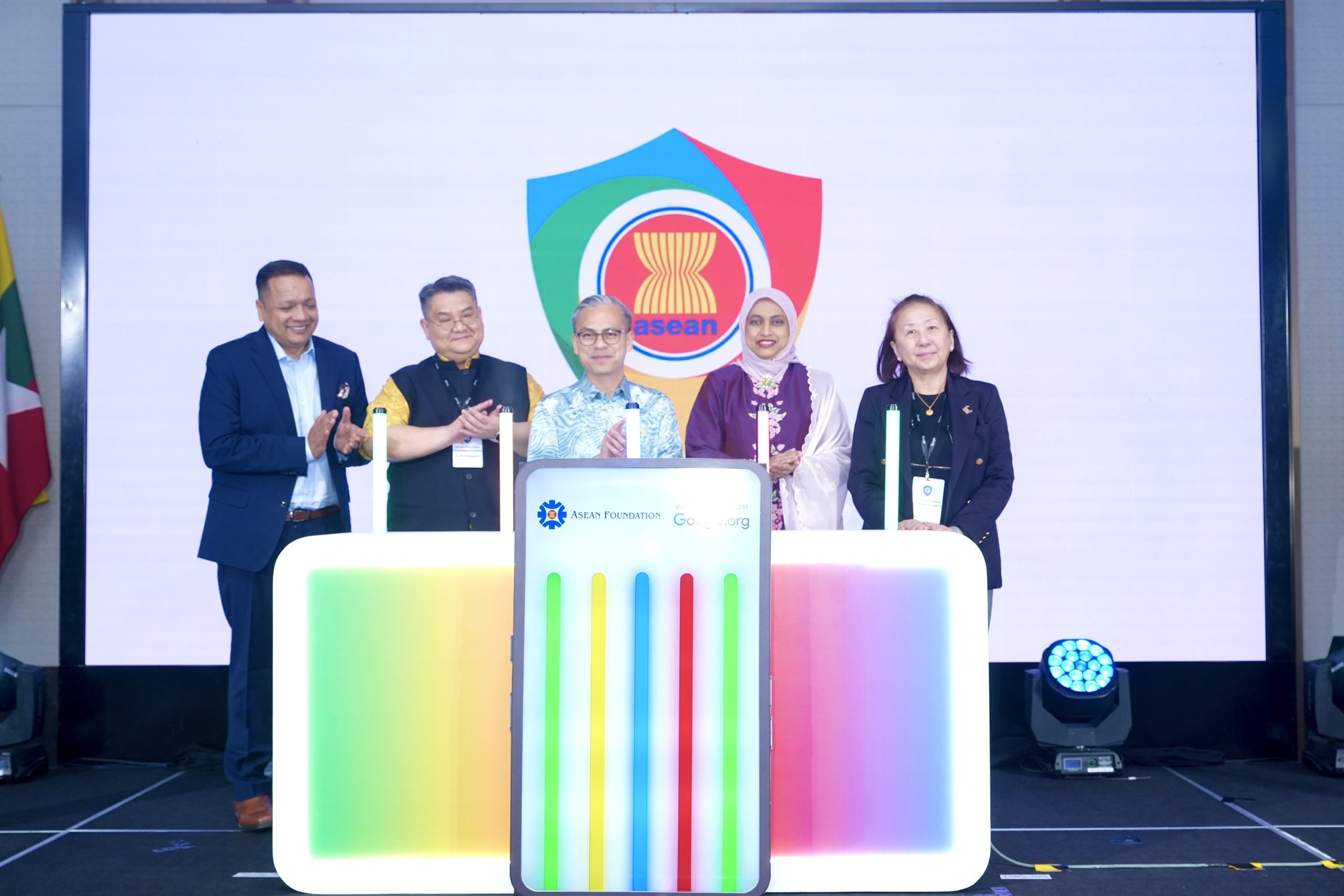
The ASEAN Foundation launched the free Scam Ready ASEAN Resource Hub on Nov. 10, 2026, bringing scam-prevention training and country-specific reporting contacts together for all 11 member states. The Google.org-backed platform also includes an interactive game designed to help users recognize common fraud tactics.
The launch comes as Singapore pursues a separate proposal for voluntary anti-scam safeguards on online platforms. Regional authorities are working to improve fraud prevention and cooperation across countries with different reporting systems and regulatory requirements.
Free scam training and reporting contacts across ASEAN
The Scam Ready ASEAN Resource Hub was unveiled during a regional public-private partnership dialogue in Manila. It offers free learning materials, interactive exercises, and a directory of scam-reporting hotlines and contact centers across ASEAN.
Its curriculum incorporates input from the Internet Society, the Global Cyber Alliance, and local partners. The platform also features Google’s Be Scam Ready game, which uses simulated situations to help people identify suspicious messages and other fraud tactics.
Practical exercises are becoming part of regional fraud prevention. Singapore previously introduced simulated scam calls to help people recognize impersonation attempts, an approach that can also inform workplace security training.
The hub belongs to a $5 million Google.org-backed initiative running from 2025 through 2027. The program aims to engage 3 million people through its educational game and train at least 550,000 through community-based learning.
The ASEAN Foundation estimates that Southeast Asia lost up to $23.6 billion to online scams and fraud in 2024.
In an October 2026 Global Anti-Scam Alliance survey of 1,160 Filipino adults, 84% said they had encountered a scam in the previous year. Yet just 4% of respondents reported a scam to authorities.
The directory helps users locate national reporting channels, but victims must still contact the appropriate authorities and financial institutions. Businesses can supplement the hub’s lessons with workplace security training and practical guidance on WhatsApp’s privacy and account-security settings.
Advertisement
Singapore pushes regional platform safeguards
Singapore has proposed an ASEAN Code of Practice to Combat Scams on Online Platforms that would establish voluntary safeguards for member states to adapt within their jurisdictions.
The Ministry of Home Affairs outlined the proposals in an Oct. 6 parliamentary response. Suggested measures include escalating detected scams to relevant authorities and verifying accounts to reduce fraudulent activity.
A companion ASEAN Best Practices Guide would share approaches to investigations, legislation, and public education. Neither initiative establishes binding regional reporting requirements or a unified complaint-processing system.
Singapore will chair ASEAN in 2027, providing an opportunity to advance the proposals. It has also pursued technical defenses, including AI-powered scam detection for messaging apps, although these tools operate independently of the proposed regional code.
Implementation details remain unresolved, including which countries might adopt the code and how verification standards could differ across jurisdictions.
The new hub gives people a starting point for scam prevention and local reporting, but it cannot replace national authorities. Platforms operating across ASEAN must continue following country-specific requirements unless governments introduce changes under the proposed code.
Read more: Beyond education and reporting, Google Messages’ AI-powered scam protection adds another layer of fraud detection, with privacy considerations for users and security teams.
About Author