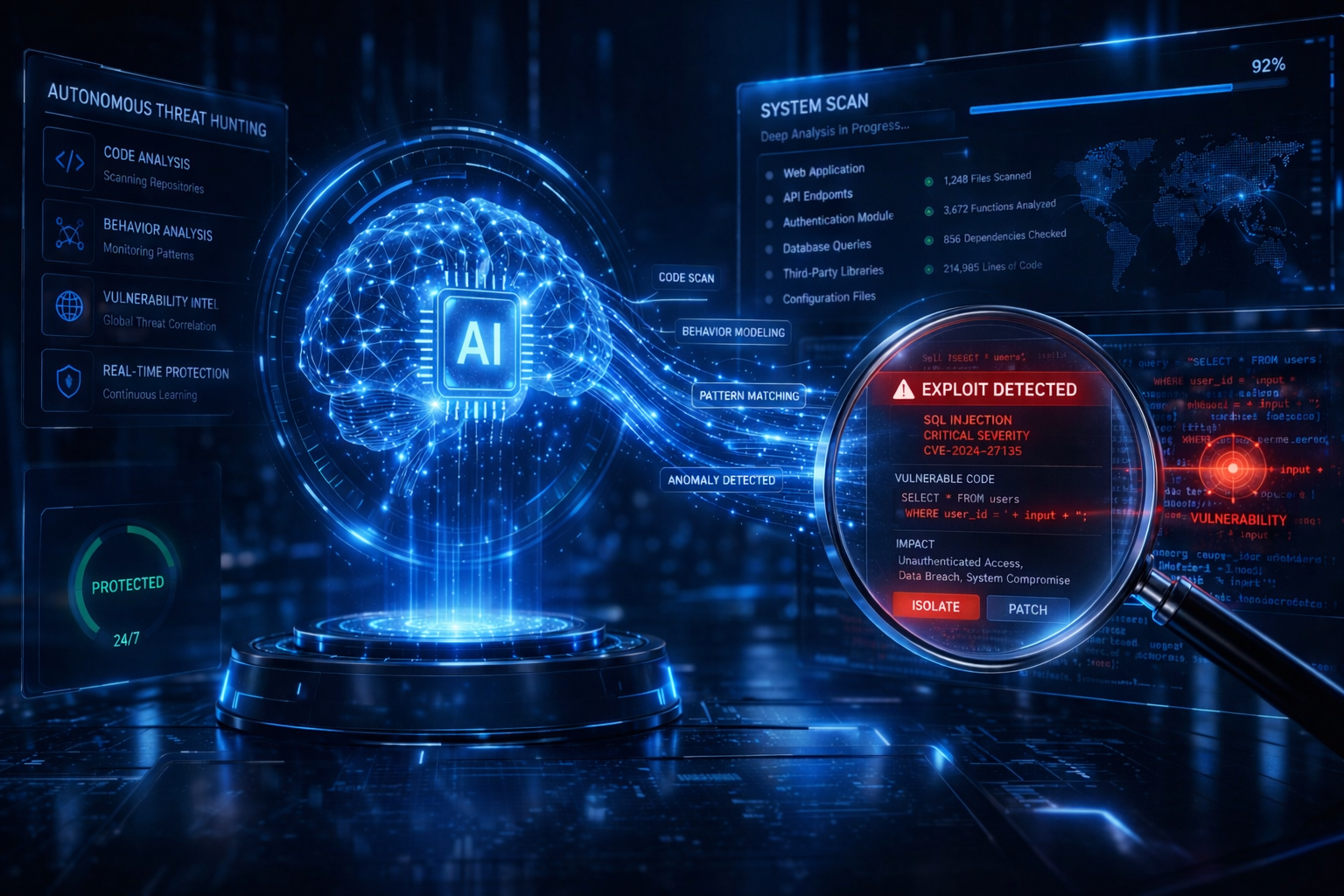
How do Agentic AIs deliver value to enterprises
How Do Non-Human Identities Enhance Enterprise AI Strategies?
Have you ever considered the invisible force quietly securing your enterprise’s digital assets?

How do Agentic AIs deliver value to enterprises
How Do Non-Human Identities Enhance Enterprise AI Strategies?
Have you ever considered the invisible force quietly securing your enterprise’s digital assets? These are Non-Human Identities (NHIs), playing a pivotal role in protection and management of sensitive information. But what exactly are NHIs, and how do they integrate with enterprise AI to add value?
Understanding Non-Human Identities
NHIs are essentially machine identities, encompassing the essential secrets like encrypted passwords, tokens, and keys that machines use to authenticate and communicate securely. Where humans need a passport and visa to travel, machines too need specific credentials and permissions to access certain resources. Proper management of these machine identities and their secrets is crucial to maintaining cybersecurity across various industries, from financial services to healthcare.
The management of NHIs is a broad discipline. It looks at every part of the lifecycle of these identities—from discovery and classification to threat detection and remediation. Unlike traditional point solutions that often leave security gaps, NHI management offers a comprehensive approach by integrating with various enterprise AI systems and ensuring enhanced security and compliance across the board.
The Critical Role of NHIs in Cloud Security
Cloud environments are becoming increasingly popular due to their flexibility and scalability. However, with great power comes great responsibility. When organizations migrate to the cloud, they face numerous security challenges, primarily because of the disconnect between security and R&D teams. NHIs act as the bridge between these departments, ensuring that all machine identities are properly managed and secured.
By leveraging NHI management platforms, organizations gain essential insights into ownership, permissions, usage patterns, and potential vulnerabilities. This context-aware security allows businesses to address potential threats proactively and effectively.
Benefits of Effective NHI Management
Why should organizations invest time and resources into NHI management? Let’s explore the key advantages:
Reduced Risk: By identifying and mitigating security risks proactively, organizations can significantly reduce the chances of breaches and data leaks.
Improved Compliance: Meeting regulatory requirements becomes more straightforward with policy enforcement and audit trails provided by effective NHI management.
Increased Efficiency: Automating NHIs and secrets management allows security teams to focus on strategic initiatives rather than manual oversight.
Enhanced Visibility and Control: Organizations benefit from a centralized view, streamlining access management and governance.
Cost Savings: Automating routine processes like secrets rotation and NHI decommissioning reduces operational costs.
For a closer look at the significance of NHIs in healthcare, read more here.
Synergy Between NHIs and Agentic AI
Where enterprises continue to embrace AI technologies to drive innovation and efficiency, the integration of NHIs becomes even more critical. Agentic AI, a sophisticated form of AI that independently understands and acts on its environment, is particularly relevant. A well-integrated NHI management system empowers Agentic AI to deliver reliable and secure solutions that cater to specific enterprise needs.
For insights on how this interplay between NHIs and Agentic AI unfolds in a real-world, read how Elastic scaled its secrets and NHI security here.
Driving Enterprise Value with Agentic AI
The quest for delivering exceptional enterprise value with Agentic AI is reshaping business. Organizations are no longer satisfied with AI as merely a tool for experimentation; they seek tangible results. Properly managed NHIs ensure that Agentic AI systems operate, leveraging machine identities to facilitate seamless operations that are both efficient and secure.
The concept of AI delivering actionable value to enterprises is further explored by the Wharton School of the University of Pennsylvania. Their insights underscore the transformation from AI experimentation to a strategic asset that enhances enterprise operations.
By understanding the roles NHIs play in enterprise AI, organizations can bridge the gap between technological innovation and robust security, ensuring the protection of sensitive data without compromising on efficiency or performance.
When businesses continue to evolve, the integration of NHIs and Agentic AI remains a critical factor in maintaining competitive advantage and operational integrity. To delve deeper into the significance of security in AI development, check out our insights on Agentic AI security.
Real-World Impacts of Non-Human Identities
Have you ever wondered how the data of millions can be breached yet remain unnoticed for significant periods? Such occurrences are often linked to mismanaged NHIs that open the backdoor to unauthorized access. Where organizations expand their digital presence, the role of NHIs grows even more critical. Consider the potential consequences in healthcare, for instance. Sensitive patient records and critical care systems could be compromised, leading to catastrophic outcomes. Besides healthcare, sectors like financial services and travel are equally vulnerable if NHIs are not effectively managed. For a sector like finance, it could mean unauthorized transactions or breaches in customer data, ultimately impacting trust and financial stability.
But it’s not all doom and gloom. Proactively addressing these security issues not only staves off threats but can transform NHIs into strategic assets that enhance operational efficiency. For example, airlines can capitalize on NHIs to improve customer service through automated but secure interactions, facilitating seamless check-ins and personalized travel experiences without jeopardizing passenger data.
The Role of NHI Management in Regulatory Compliance
The intricacies of compliance with regulations, such as GDPR or HIPAA, mandate strict control over data access and security measures. NHIs play a pivotal role here. By integrating robust NHI management systems, organizations not only safeguard data but also streamline the auditing process. Policies can be enforced uniformly, reducing the human error factor and providing enterprises with detailed audit trails that support compliance requirements.
One of the compelling aspects of NHI management in regulatory is its ability to provide visibility across all operational layers. This supports regulatory submissions and helps businesses highlight their compliance efforts transparently. The automation aspects of NHI management reduce error margins, contributing to more consistent and reliable data management, which is critical for regulatory approval and audits.
NHI Management as a Catalyst for Innovation
Innovation thrives in environments where security and efficiency coalesce. NHIs, when well-managed, become catalysts for innovation by fostering safe, agile environments that promote experimental and developmental activities free from the shackles of security concerns. Imagine DevOps teams operating with the confidence that their continuous integration and deployment activities are inherently secure; this inspires creative problem-solving and expedites the path to market for new ideas.
Furthermore, NHIs can drive efficiencies in AI implementation. In McKinsey’s report on Agentic AI, the potential for AI systems to deliver autonomous solutions is maximized when there is a secure backbone supported by robust NHI management. Organizations can leverage these capabilities to push AI applications that are not only ground-breaking but also secure and compliant, resulting in substantial competitive advantages.
Operational Efficiency and Strategic Benefits
Consider operational efficiency—the backbone of every successful organization. By leveraging NHIs, businesses can automate routine security processes such as secrets rotation, identity decommissioning, and access control adjustments. This takes the manual load off cybersecurity teams, allowing them to focus on strategic initiatives that add direct value to the organization.
Furthermore, NHIs enhance strategic positioning by providing visibility into system operations and user interactions. This transparency helps organizations better understand market needs and adjust processes accordingly, ensuring their offerings remain relevant and competitive.
The Way Forward with NHIs
The intersection of NHIs with enterprise AI strategies signals a transformative cybersecurity. By investing in robust NHI management frameworks, companies equip themselves with the necessary tools to safeguard their digital environments while unlocking new dimensions of efficiency and innovation. Future-facing enterprises recognize the importance of these measures not just as protective mechanisms, but as integral components that propel business growth.
For those who wish to explore this synergy between NHIs and AI further, the discussions amongst the AI and cybersecurity community, such as on Reddit, provide a valuable resource for the latest insights and developments. Delving into these conversations can offer a broader view of how NHIs are redefining the security paradigms across industries.
By embracing the full spectrum of Non-Human Identities in their cybersecurity strategies, businesses not only respond to immediate security threats but proactively shape their technological futures. By influencing both enterprise AI frameworks and wider IT, NHIs become central to the narrative of digital transformation—bridging the gap between today’s security challenges and tomorrow’s innovations.
The post How do Agentic AIs deliver value to enterprises appeared first on Entro.
*** This is a Security Bloggers Network syndicated blog from Entro authored by Alison Mack. Read the original post at: https://entro.security/how-do-agentic-ais-deliver-value-to-enterprises/
About Author