DHS Orders DeepSeek Removed from Federal IT Systems Over Security Risks
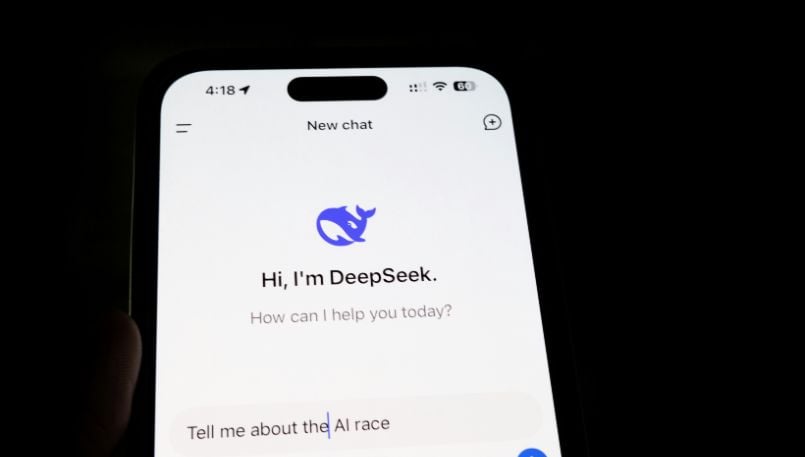
The US government is moving to remove DeepSeek from federal civilian IT systems, citing concerns that the Chinese AI company’s technology could expose sensitive information and create security risks.
The Department of Homeland Security (DHS) has ordered federal civilian agencies to remove DeepSeek products from their IT systems and prohibited purchases of the company’s technology.
According to the DHS notice, the restrictions also extend to certain third-party products and services incorporating DeepSeek technology, potentially affecting federal agencies and vendors that rely on the company’s AI models.
Data exposure and software vulnerabilities drive concerns
DHS identified several potential security risks associated with DeepSeek’s technology, including the possibility that sensitive government information could be transferred to China.
The department also warned that DeepSeek’s technology could introduce several security risks. The department said the products “may result in the transfer of sensitive data to the PRC if used by US government employees or vendors.”
It also raised concerns that the technology could be used to gather intelligence about American individuals or government agencies and could introduce malware or other security vulnerabilities. These concerns form part of the government’s stated rationale for restricting the technology.
The department issued the directive under the Federal Acquisition Supply Chain Security Act of 2018, following a review of a recommendation and supporting evidence from the Federal Acquisition Security Council.
The order was signed by Homeland Security Secretary Markwayne Mullin on July 24. Its public release comes as Washington continues to scrutinize Chinese AI developers and their handling of American technology.
Why DeepSeek’s role in the AI market matters
DeepSeek has attracted users by offering relatively inexpensive, open-weight AI models that developers can adapt and integrate into their own products. DeepSeek’s lower-cost models have attracted attention from developers and businesses seeking alternatives to more expensive AI offerings from US providers.
That affordability creates a challenge for government procurement officials: removing a model from an approved technology stack can require more than uninstalling an application. Agencies may also need to identify indirect dependencies in third-party software, review vendor disclosures and find replacement services.
Advertisement
The restrictions could therefore affect procurement and software architecture decisions well beyond applications explicitly branded as DeepSeek.
Must-read security coverage
Who is affected by the DeepSeek restrictions?
The order puts software provenance, knowing which models and components underpin a product, at the center of federal AI procurement. Agencies and contractors will need to determine whether their systems rely on DeepSeek directly or through another provider.
Vendors selling into the federal market may face additional scrutiny over their AI supply chains. They could need clearer documentation of model origins and alternative implementations to maintain eligibility for government contracts.
The directive applies to federal civilian executive-branch systems, not automatically to every American business or individual using DeepSeek. The BBC reported that the order excludes Defense Department agencies.
Private developers and companies can still face practical questions if they supply software to federal customers or incorporate DeepSeek into services sold to government agencies.
For ordinary users, the immediate impact is limited: the order does not itself establish a nationwide ban on DeepSeek’s chatbot or models.
The broader significance is how the US government is treating AI models as potential supply-chain risks. For organizations evaluating AI tools, the decision reinforces the importance of understanding not only a model’s cost and performance, but also its origins, dependencies, and data-handling practices.
Other news: OpenAI has agreed not to use Apple’s alleged trade secrets as the two companies continue their legal battle over confidential information and AI hardware development.
About Author