Apple Adds New iPhone Privacy Setting to Blur Location Data Shared With Carriers
Your iPhone might soon stop telling your wireless carrier exactly where you’re standing, and law enforcement won’t like it.
Apple this week began rolling out a privacy feature that lets users blur their location data before it reaches cellular networks, limiting what carriers can see to just your general neighborhood instead of your precise street address.
The move comes as phone companies face mounting scrutiny over how location data gets shared with authorities and targeted by hackers. The new “Limit Precise Location” setting reduces the accuracy of location information that iPhones and iPads automatically share with cellular networks, according to Apple’s support blog published Monday.
Cellular networks typically pinpoint device locations by tracking which cell towers they connect to. With this setting enabled, carriers “might be able to determine only a less precise location — for example, the neighborhood where your device is located, rather than a more precise location (such as a street address),” Apple explained in the post.
Why this kind of control matters
While Apple didn’t state a reason for the new feature, its arrival touches on a long-standing privacy concern. Law enforcement agencies frequently subpoena carrier location records, and telecom networks have been targets for hackers.
This setting gives users a new layer of control over that specific data stream.
Important exceptions and limitations
There are two key areas that this setting does not affect.
First, your safety: “The limit precise location setting doesn’t impact the precision of the location data that is shared with emergency responders during an emergency call,” Apple states. Second, it doesn’t change how you share location with apps like Maps or Find My. That control remains in the familiar Location Services menu.
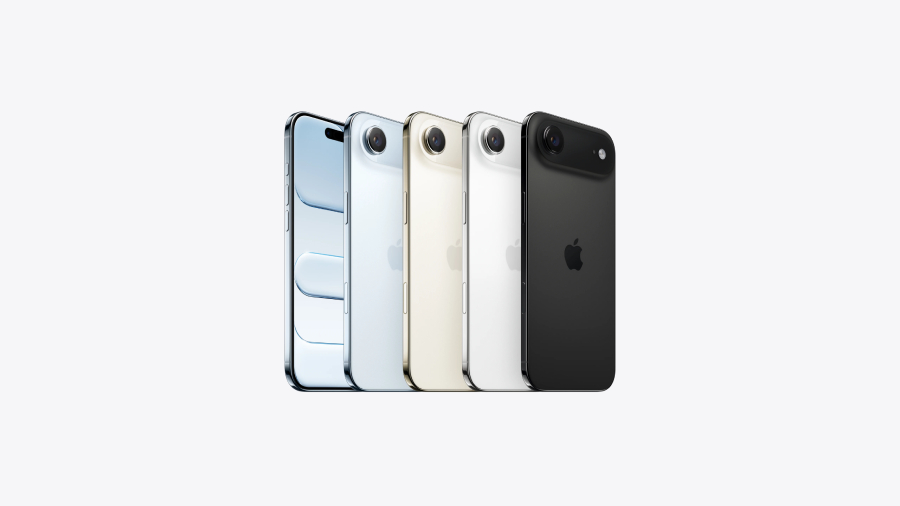
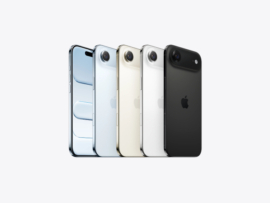
However, access is strictly limited for now. You’ll need an iPhone Air, iPhone 16e, or an iPad Pro (M5) Wi-Fi + Cellular model running iOS 26.3. Furthermore, your carrier must support it. Initially, that list is short: Boost Mobile in the US, EE and BT in the UK, Telekom in Germany, and AIS and True in Thailand.
How to find it
If you have a compatible device and carrier, turning it on is simple. Head to Settings > Cellular > Cellular Data Options, scroll down, and you’ll find the “Limit Precise Location” toggle. You may need to restart your device after switching it.
For most, this update will fly under the radar. But for the privacy-conscious, it represents a meaningful, if incremental, step in deciding who gets a clear picture of your daily life and who gets a blurrier one.
Want more Apple intrigue? Check out the latest leaks pointing to what Apple could have planned, from new devices to major surprises.
About Author