Blackbirds: take these broken wings and learn to fly, says NASA
I’ve been a keen follower of the Lockheed Blackbird family since the headline ‘We have Mach 3 plane, says US’ appeared above a short item in London’s Daily Express in March 1964. The coolest thing about the family is that it can still generate revelations, particularly when another How Grandpa won the Cold War memoir hits the stores without having been cleared by security.
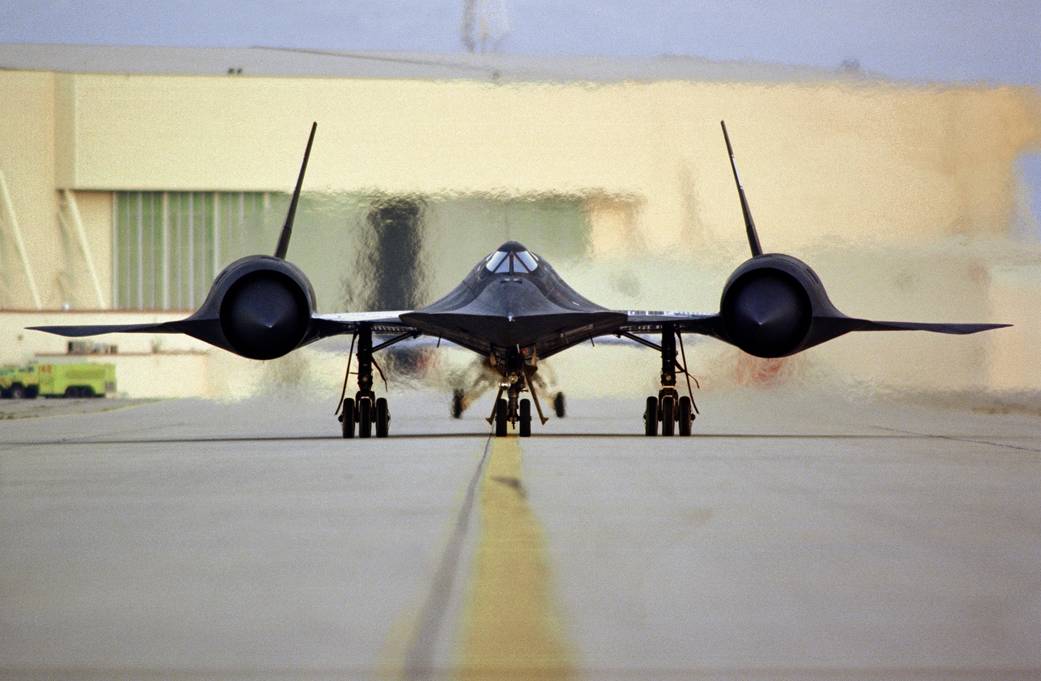
NASA administrator Jared Isaacman kicked off the latest round of stories in September. He made coy statements implying that the agency was looking at a new start in high-speed aeronautics, and he showed a graphic that resembled the view between the long-retired reconnaissance aircraft’s inward-canted tails. I confess to uttering a snort, since NASA’s ability to forget that its first A stands for ‘Aeronautics’ has been a sore point for a few decades.
Credit to Steve Trimble at Aviation Week for breaking the news that there was really something in this. Trimble noticed that SR-71 Blackbird tail number 0844 – the last aircraft to fly, in 1999 under NASA ownership – had been removed from its display pylon at Edwards Air Force Base. He then reported that NASA people, current and retired, with Blackbird experience had been contacted and asked if they’d be willing to assist with a return-to-flight program.
So, it’s a real idea, almost seven decades after the program started. But how and, above all, why?
The Blackbird family’s early years in Nevada coincided with the peak of Liberace’s fame and fortune, which I only mention because to refer to the Blackbird as unique is like referring to the Polish virtuoso as overly glamorous.
More things were invented, adapted or technically kludged together to make the Blackbird work than on any other single aeroplane, its closest rival in this aspect being the B-2. It was made of titanium; the engines, inlets and exhausts constituted a virtual turbo-ramjet and were controlled by hydromechanical computers of infernal complexity running at infernal temperatures. The quadruple stability-augmenting flight control system was likewise hydromechanical. Contractors you would not believe (including a maker of surf-fishing rods) made parts out of high-temperature plastics concocted in the Skunk Works.
But afterwards, development of high-speed jet aircraft faded, so the challenge of a Blackbird return-to-flight is that many parts of the aircraft were made differently from anything else, before or since, and the last parts came off the line more than 60 years ago.
On the other hand, none of the surviving Blackbirds was scrapped, making them a good source of spares. A return-to-flight is possible, including a program to transfer knowledge from the living veterans to new people. The type’s early mishap rate was high, but only one Blackbird was lost after 1972.
But why? That’s a hard question to answer, on two levels. The more obvious level is to state that if you wanted a new supercruising aircraft, such as a supersonic strike system that I discussed here, you would not confine yourself to 1960s technology. New materials and better aerodynamics make the engine design easier. You would integrate the engine and airframe more tightly. You would take more time out to get maintenance right.
The less obvious level: the original A-12 Oxcart (the CIA codename for the first aircraft of the Blackbird family) was designed for one job: to fly a camera over the Soviet Union with a combination of speed, altitude and reduced radar cross section that would – in the view of the CIA’s operations-analyst eggheads – defeat Soviet radar-guided missiles through most of the 1960s. There’s no reason why you’d choose the same performance numbers today. Force design drives mission and mission drives design.
This suggests that the purpose of a Blackbird return-to-flight is not about the aeroplane itself.
I should have realised this sooner, because I had just written the Strategist piece cited above, about the advantages of launching high-speed things from high-speed aircraft. If you do, rockets and gliders go farther. And things powered by ramjets don’t need boosters, the besetting problem with ramjets being that they need to get to Mach 2.5 or higher, where they start to get efficient, without using all the onboard fuel. Rockets are a limitation on vehicle size and a safety problem: NASA has wasted a lot of money on supposedly cheap expendable hypersonic demonstrators, blown to fairy dust by their booster rockets with not one measly data point to show for it.
The Blackbird is the only aircraft ever built that can launch a 5-tonne vehicle at Mach 3. If it did this again, the payload might, for example, be a test aircraft that’s affordably smaller than an operational vehicle but enough to provide realistic data for developing one.
The original 5-tonne payload was the D-21 drone, comprising a ramjet engine wrapped in a miniature A-12 airframe that carried a camera pallet. Proposed in 1962, its mission was to overfly China’s nuclear test site at Lop Nor. On the fourth test flight of the D-21 and the Blackbird-family carrier (called an M-12, sometimes M-21), the drone collided with the M-12. The crew ejected but the back-seater did not survive after parachuting into the Pacific.

The D-21 design went on to be launched with a rocket booster from the B-52 and made some flights over China before President Richard Nixon agreed to cease all overflights. NASA, however, still contemplated the use of the Blackbird for air-launching high-speed vehicles into the mid-1970s.
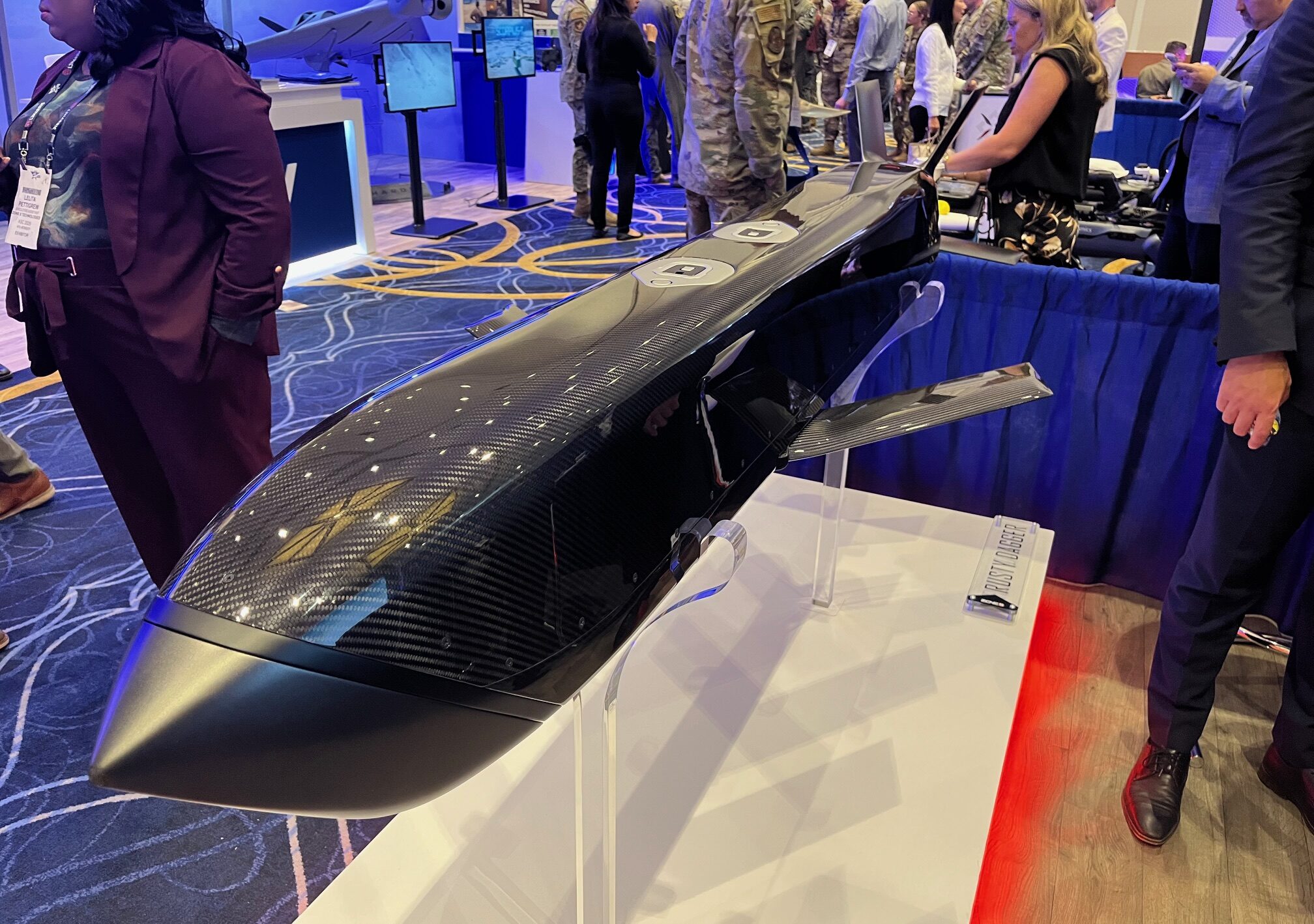
Others are thinking this way. At the Air Force Association in September, startup Hermeus showed its Quarterhorse unmanned supersonic (Mach greater than 2) aircraft carrying two mini-D-21s.
So the most likely reason for returning a Blackbird to flight is this: to enable testing of a large high-speed test aircraft that it would carry and launch. This might use the often-tried combination ramjet–scramjet propulsion, or something newer like the rotary detonation engines under study by General Electric or RTX. That might be a fitting, final contribution of the Blackbird family to aerospace history.
About Author