Tracking the Iran War: A Month of Escalation and Regional Impact
Tracking the Iran War: A Month of Escalation and Regional Impact

 March 18, 2026
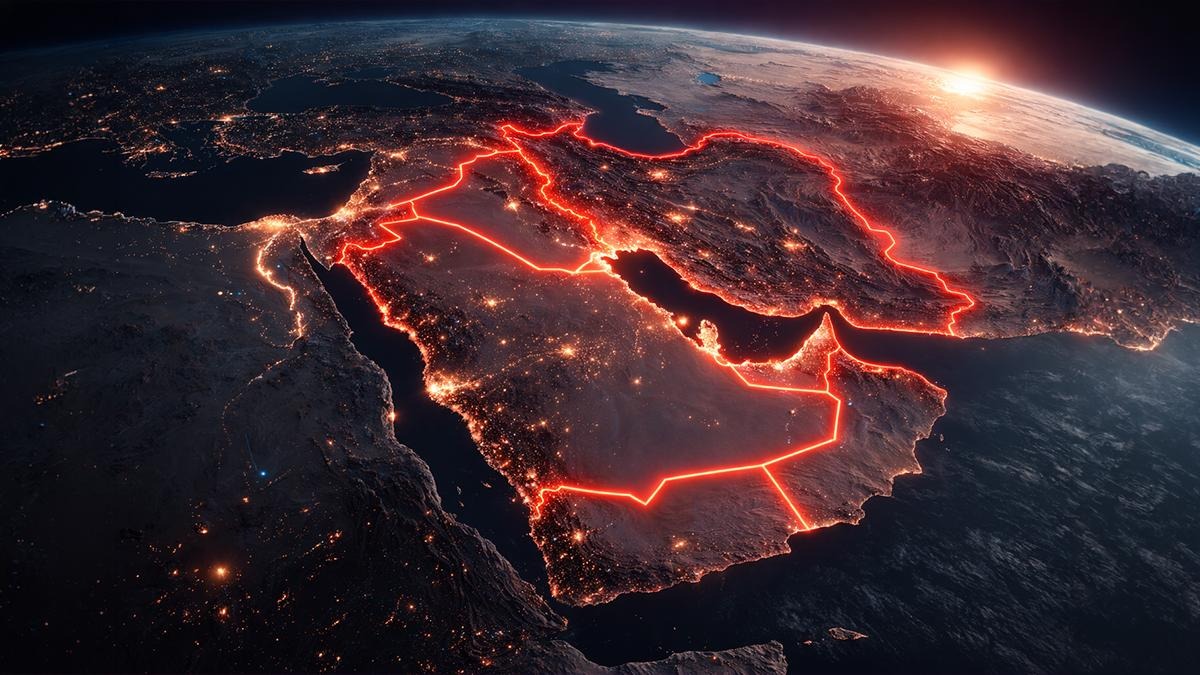
Iran war likely prolonged, increasing cyber threats, energy disruption, and instability, with companies in the Middle East facing higher risk.
- Resecurity (USA) released a strategic intelligence update on the war in Iran, covering nearly a month of military conflict. The conflict has shifted global attention and resources, placing other ongoing conflicts like Russia-Ukraine, Israel-Gaza, and Pakistan-Afghanistan in a secondary position.
- Due to the scale of the Iran war, the direct involvement of global powers (the US and Israel), its impact on global energy markets, and the potential to destabilize the entire Middle East, this situation requires enterprise security leaders to coordinate actions to protect their staff and assets.
- The Iran war is forecast to remain a protracted, disruptive conflict with severe humanitarian and economic consequences. While the risk of a full-scale regional war is low, the likelihood of continued missile, drone, and cyberattacks is high.
- Iran has declared all US financial institutions and other tech and multinational companies in the Middle East as justified targets. New cyberattacks are expected. Due to the near-total internet blackout in Iran, state-sponsored groups may be less active, but proxies and recruited operatives operating outside Iran are likely to increase their activity.
- The closure of the Strait of Hormuz and oil market turmoil are driving global inflation and supply chain disruptions. Diplomatic resolution appears unlikely in the near term, and the world faces sustained instability in the region.
- Iraq is probably likely to become—and in some respects already is—a new front in the ongoing Iran–US/Israel conflict. While the Iraqi government seeks neutrality and sovereignty, its limited control over militias and the frequency of cross-border strikes make Iraq a key arena for proxy warfare and potential direct confrontation. Major groups involved include the Popular Mobilization Forces (PMF/Hashd al-Shaabi), Kataib Hezbollah, and other Iranian-aligned factions.
- Multi-dimensional impacts on countries outside of GCC, including the European Union (EU), Bangladesh, Pakistan and India. These effects span energy security, trade and supply chains, remittances and diaspora safety, and strategic geopolitics.
- The growing risk of hate-motivated violence linked to global conflicts. Multiple communities—including Jewish-Americans, Iranian-Americans, Muslim-Americans, and Arab-Americans—are experiencing increased incidents of violence, harassment, and threats.
Follow me on Twitter: @securityaffairs and Facebook and Mastodon
(SecurityAffairs – hacking, Iran)
About Author