
Whether you’re a hardcore basketball fan or the office colleague who gets roped into filling out a bracket every year, March Madness is the season for brackets, office pools, and last-minute picks.
More than half of Americans (57%) plan to watch the NCAA basketball tournament, and 55% say they participate in some kind of betting or bracket activity during March Madness, from office pools to licensed sportsbook wagers.
But where there’s excitement and money, scammers aren’t far behind.
New research from McAfee finds that 1 in 3 Americans (32%) say they’ve experienced a betting or gambling scam, and 24% say they’ve lost money to one, with victims losing an average of $547.
Big events like March Madness create the perfect storm: massive attention, constant betting promotions, and fans searching online for predictions, tips, and an edge.
Scammers know it, and they’re exploiting the moment.
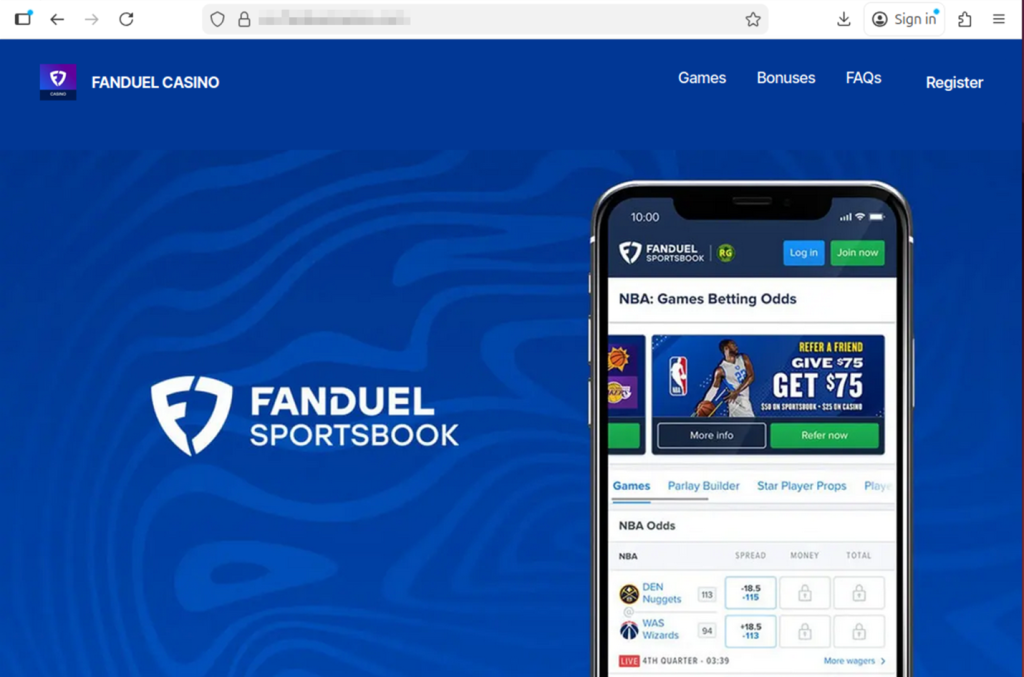
Why March Madness is Prime Time for Betting Scams
Sports betting promotions are everywhere during major events like March Madness.
According to McAfee research, 82% of Americans say they’ve seen sports betting promotions or offers in the past year, often on social media, streaming broadcasts, and sports websites.
That flood of promotions makes it easier for scams to blend in with legitimate content.
Many scams start the same way legitimate offers do, through messages, ads, or links promising bonuses or tips. But once someone clicks or responds, the situation can escalate quickly.
For example:
- 42% of Americans say they’ve been asked to click a link sent via email tied to a betting offer
- Others report links sent through social media messages or text messages directing them to betting sites, apps, or private betting groups
In many cases, victims are then asked to send money to unlock winnings, activate accounts, or access premium betting picks.
The payout rarely exists.
The Most Common Betting Scams Fans Encounter
Betting scams come in several forms, but many follow familiar patterns.
Here are some of the most common tactics reported in McAfee’s research:
| Scam Type | Definition | How It Works | Red Flags |
| Guaranteed Win Scam | A betting scam where someone promises a “guaranteed win,” “sure bet,” or “can’t lose” outcome in exchange for money, clicks, or sign-ups. According to McAfee Findings, about 1 in 6 Americans say they’ve received these kinds of messages, which are designed to lure fans looking for an edge. | Scammers send private messages, emails, or social posts claiming they have insider knowledge or a lock on a game. The goal is usually to get the victim to pay for picks, join a private group, or click a malicious link. | Claims that a bet is guaranteed, pressure to act fast, requests for payment to access picks, and promises that sound risk-free. |
| Fake Free Bet Promotion Scam | A scam that pretends to offer bonus bets, deposit matches, or free credits through a fake sportsbook promotion. | The victim sees what looks like a real sportsbook offer, often through social media, email, or text. Clicking may lead to a fake site that steals login details, payment information, or deposits. | Unfamiliar brand names, unofficial links, urgent sign-up language, and promotions that seem unusually generous. |
| Winnings Release Fee Scam | A scam where a victim is told they have winnings waiting, but must first pay a fee, deposit, or processing charge to collect them. | The scammer claims the user has won money, then invents a reason payment is required before the funds can be released. Once the fee is sent, the payout never arrives. | Requests to pay before receiving winnings, vague “processing” or “verification” fees, and pressure to send money immediately. |
| Fake Betting App or Website Scam | A scam involving a fraudulent app or website designed to look like a real sportsbook or betting platform. | Victims are directed to a fake platform where they may create an account, enter personal information, or deposit money. The site may appear legitimate, but withdrawals are blocked or impossible. | Slightly misspelled URLs, strange app download paths, poor website quality, and platforms that make deposits easy but withdrawals difficult. |
| Sportsbook Impersonation Scam | A scam in which someone pretends to represent a legitimate betting platform or sportsbook support team. | The scammer contacts the victim claiming there is an issue with an account, a bonus, or winnings. They then ask for login credentials, payment details, or personal information. | Requests for passwords, bank details, or identity information; unexpected outreach; and messages pushing you to resolve an “account issue” through a link. |
| Fake Insider Tip Scam | A scam that uses claims of insider information, fixed games, or special access to make a betting offer sound exclusive and trustworthy. | Scammers position themselves as experts, insiders, or connected sources who can help the victim beat the odds. The real goal is usually payment, account access, or enrollment in a scam betting channel. | Claims of fixed outcomes, “insider” knowledge, exclusive access, and offers that rely on secrecy or urgency. |
| Celebrity or Influencer Endorsement Scam | A betting scam that uses fake or misleading celebrity, athlete, or influencer endorsements to make an offer seem legitimate. | Scammers create ads, videos, or posts that appear to feature a public figure recommending a betting platform, app, or tip service. In some cases, AI-generated content makes these endorsements look more convincing. | Endorsements that seem off-brand, videos or graphics that look unnatural, unfamiliar accounts, and promotions tied to fake urgency or suspicious links. |
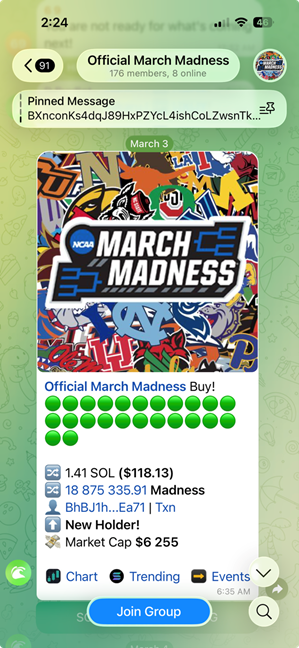
| Private Betting Group Scam | A scam that tries to move betting conversations into private channels like WhatsApp, Telegram, or Signal. | After initial contact on social media or another public platform, the scammer encourages the victim to join a private group for “exclusive picks,” “VIP bets,” or “premium insights.” These groups are often used to pressure victims into sending money or clicking malicious links. | Pressure to move off-platform quickly, promises of VIP access, requests for payment to join, and little proof that the group is legitimate. |
Who Is Most Likely to Encounter Betting Scams
McAfee’s research found that Americans under 45 are significantly more likely to encounter betting scams, with 44% saying they’ve experienced one compared with 19% of those over 45.
Men also report higher exposure, with 40% saying they’ve experienced a betting scam, compared with 25% of women.
Men and younger adults are also more likely to participate in brackets, fantasy sports, or sportsbook betting, the same spaces where scams often appear.
AI Is Making Betting Scams Harder to Spot
Artificial intelligence is beginning to change how scams look and sound.
About 1 in 5 Americans say they’ve encountered betting scams that appeared more realistic because of AI, and 27% believe they’ve seen AI-generated betting content such as fake promotions, images, or videos.
Among those who encountered AI-driven scams:
- 58% reported AI-generated images or graphics in betting ads
- 57% saw AI-written messages that sounded natural or personalized
- 45% encountered fake celebrity or influencer endorsements
- 36% interacted with chatbots posing as betting experts or support agents
As these tools improve, scam messages are becoming smoother, more convincing, and harder to distinguish from legitimate promotions.
| Safety Check | What To Do |
| Be skeptical of “guaranteed wins” | No bet is risk-free. Ignore messages promising sure bets, insider picks, or guaranteed outcomes. |
| Use only licensed sportsbooks | Stick to official betting apps and well-known sportsbooks. Avoid unfamiliar websites or apps. |
| Don’t click betting links from unknown messages | If you receive a betting offer via email, text, or social media, go directly to the official site instead of clicking the link. |
| Never pay fees to unlock winnings | If someone says you must send money to claim winnings or activate a betting account, it’s almost certainly a scam. |
| Be cautious of private betting groups | Invitations to “VIP betting groups” on apps like Telegram or WhatsApp are often used to promote scam picks or collect payments. |
| Protect your accounts | Use strong passwords and turn on two-factor authentication wherever possible. Try our free strong password generator. |
| Use scam detection tools | Tools like McAfee’s Scam Detector can flag suspicious links, websites, and messages before you engage. |
March Madness is meant to be fun, filling out brackets, debating picks with friends, and cheering for the next big upset. Betting can be part of that excitement, but it’s worth remembering that scammers are watching the tournament too.
A simple rule of thumb can go a long way: if a betting offer promises guaranteed wins, asks for money upfront, or pushes you to act quickly, take a step back and verify it first.
The safest plays are the ones where you slow down, stick to trusted platforms, and keep your personal information protected.

If You or Someone You Know Needs Help
Sports betting can be fun, but for some people it can become difficult to manage. If you or someone you know is struggling with gambling, help is available through the National Problem Gambling Helpline (1-800-MY-RESET), operated by the National Council on Problem Gambling.
The post 1 in 3 Has Experienced a Betting Scam. What March Madness Fans Should Know appeared first on McAfee Blog.
About Author