Instagram Goes PG-13 as Meta Reshapes Teen Safety and AI Content Rules
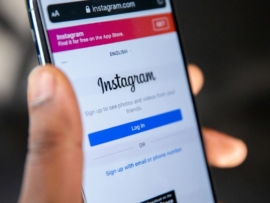
Instagram just got a movie rating.
Meta wants parents to breathe a little easier with new PG-13 rules for teen accounts, a move it says will make content safer, simpler, and easier to understand. The update also taps AI to help automatically apply those age-appropriate limits.
All accounts for users under 18 now default to a PG-13 setting that includes hiding or not recommending posts with strong language, drug references, or risky viral stunts. This update builds on Meta’s long-standing policy of protecting younger users by reducing sensitive content in their feeds and recommendations.
The goal is to build an Instagram experience that’s suitable for young users while still allowing them to stay connected and express themselves. Parents who prefer tighter controls can activate a stricter mode that will remove teens’ ability to see, leave, or receive comments under certain posts. By next year, this setting will also further restrict the AI conversations teens can have.
Meta bets on a familiar standard
In its newsroom announcement, Meta explained why it reviewed its teen safety rules through the lens of a film rating system.
“We decided to more closely align our policies with an independent standard that parents are familiar with, so we reviewed our age-appropriate guidelines against PG-13 movie ratings and updated them accordingly,” the company said. Meta clarified that, despite differences between movies and social media, these changes aim to make teens’ experiences in the 13+ setting feel more akin to watching a PG-13 movie on Instagram.
Meta also acknowledged that no content moderation system is perfect. The company noted that just like viewers might encounter suggestive content or strong language in a PG-13 movie, teens may occasionally see similar content on Instagram. However, Meta aims to keep those instances as rare as possible. The update is part of Meta’s broader child safety efforts to make its platforms safer for younger users.
According to CNBC, the PG-13 rollout is part of Meta’s broader effort to address long-standing criticisms about teen safety. Back in 2021, when Meta was still known as Facebook, The Wall Street Journal published a report showing how Instagram could negatively affect teen mental health.
Other investigations have revealed how easily teens can find drugs on the platform, including through ads run by the company. To address these issues, Meta has released several new parental safety features over the past year and also added tools that help teens block or report accounts more easily.
How Instagram’s new protections work behind the scenes
Meta says it spent months refining the technology behind these protections to catch violations before teens ever see them. The new system uses automated tools to apply the PG-13 guidelines across Instagram’s accounts, search, content, and AI features.
- Teens can’t follow profiles that often post adult or suggestive material, and those accounts can’t follow them either. If a teen already follows one, they’ll stop seeing its posts, messages, or comments.
- Instagram now blocks a wider range of mature search terms, including words like ‘alcohol’ or ‘gore,’ even when they’re misspelled.
- Teens won’t see posts that violate the updated rules anywhere on Instagram, including in Feed, Reels, Explore, Stories, and comments, even if those posts are shared by someone they follow. Links to restricted content shared in DMs won’t open.
- Meta’s AI tools are now guided by the same PG-13 standards, meaning AI-generated responses and creative suggestions should avoid content that wouldn’t fit within a PG-13 movie.
Parents like what they see
According to a recent Ipsos study commissioned by Meta, 95% of parents believe the new setting will help protect their teens online. Another 90% said using a familiar PG-13 standard makes it easier to understand what their children might experience online. Nearly all respondents (96%) appreciated having the stricter Limited Content mode available.
The survey also found that 80% of parents plan to use the new Instagram setting. The survey results suggest parents want clarity and consistency, not just another layer of settings to dig through.
What it means for teens and tech
Meta’s new PG-13 standard isn’t just a label but a way to make Instagram feel safer and understandable for families. By aligning its content rules to a familiar rating system, Meta gives parents a clearer picture of what their teens might see and more confidence in how the app handles safety.
For teens, this means fewer age-inappropriate posts and a more comfortable overall experience. It also provides parents with an easier way to discuss and manage what’s appropriate for their children to see online. Meta’s update represents another step in the company’s effort to establish and enforce clear standards that make social media safer for younger users.
Last month, Meta said it will call on CoreWeave for $14.2 billion of AI infrastructure.
About Author