Picture someone entering your kitchen not for the cookies in your jar but for something more valuable — your online identity. This is not fiction; it’s the reality of session hijacking in the realm of cybersecurity!
Cookie hijacking, also called cookie hacking, is a stealthy cyber assault that can significantly jeopardize your digital safety. It gives hackers unauthorized entry to your online accounts, leading to severe data breaches.
The sheer prevalence of cookie hijacking is what makes it alarming. Think about how many websites you access daily, each needing a distinct set of details for login. With sensitive data like credit card and social security numbers spread out over multiple platforms, the fallout of a successful hijacking can be disastrous.
Are you interested in understanding how cookie theft works, the strategies attackers employ, and how you can shield yourself from such dangers? Let’s explore the specifics.
Elucidating Cookies Hacking (Session Hijacking)
Cookie hacking, also termed session hijacking in cybersecurity, refers to a cyber-attack where malevolent actors intercept and manipulate session cookies to acquire unauthorized access to a user’s online details. Session cookies are information stored on a user’s gadget that verify their identity and maintain their engagement with a website.
This form of attack is profoundly disconcerting as it enables hackers to circumvent conventional authentication measures and function within the target’s session, providing them extensive control and access to private information.
Functioning Mechanism of Cookie Hijacking
The typical process begins with the attacker intercepting the data exchanged between the user’s browser and the web server. This interception can occur through various means, such as network sniffing tools or exploitation of the website’s security protocols.
Highlighted below are a few techniques:
- Data Packet Capture: Attackers seize unencrypted session cookies from network traffic.
- Cross-site Scripting (XSS): Attackers insert malicious scripts to filch session cookies.
- Man-in-the-Middle (MitM) Attacks: Attackers intercept and manipulate communications to seize session cookies.
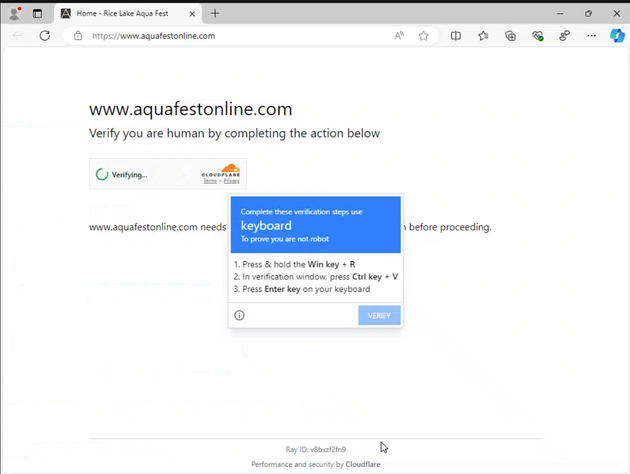
- Social Engineering: Attackers deceive users into revealing session cookies through phishing or deceit.
- Physical Access: Attackers retrieve session cookies from the device’s cache or utilize malware.
Risks and Impact of Cookie Hacking
Session token hacking carries substantial risks for individuals and organizations. Here are some prominent risks and repercussions:
- Unauthorized Entry: Intruders can access a victim’s online accounts illicitly, allowing them to execute activities as genuine users. This can result in data breaches, unauthorized transactions, and account tampering.
- Information Theft: Personal information, financial data, and confidential exchanges can be swiped, leading to identity theft and monetary fraud.
- Privacy Erosion: Poisoned cookies can disclose private data, compromising the user’s privacy and potentially leading to further manipulation or extortion.
- Reputation Damage: For enterprises, cookie exploitation instances can tarnish their standing, erode customer faith, and lead to business loss. Customers are likely to steer clear of services that have encountered security breaches.
- Financial Setback: Both individuals and businesses may incur significant losses owing to deceptive transactions, legal costs, and compensation demands.
- Service Disruption: Attackers can disrupt services, causing downtime and affecting online service availability. This can be especially detrimental for businesses reliant on uninterrupted online operations.
Preventive Measures Against Cookie Hijacking
To avert cookie hijacking, a multifaceted strategy is essential to tackle vulnerabilities and enhance overall security. Here are some steps to stave off cookie theft:
Employ HTTPS
Enforcing HTTPS (Hypertext Transfer Protocol Secure) is crucial for safeguarding communication between the user’s browser and the web server. HTTPS encrypts transmitted data, making it arduous for attackers to intercept and decipher session cookies.
By guaranteeing all data transfers are encrypted, HTTPS thwarts attackers from exploiting packet sniffing tools to grab sensitive data. Websites should also enable HSTS (HTTP Strict Transport Security) to mandate HTTPS connections, further reducing man-in-the-middle attack risks.
Utilize Web Frameworks for Managing Session Cookies
Modern web frameworks offer integrated mechanisms for secure session management, encompassing automatic handling of session cookies. These frameworks generally enable secure and HttpOnly flags on cookies, preventing script access and ensuring they are solely transmitted over HTTPS channels. Leveraging these functions alleviates common vulnerability risks.
Update Session Key Post Authentication
To fortify security, it is pivotal to refresh the session key (or session ID) promptly after user authentication. This procedure, termed session regeneration, nullifies any session key potentially exposed before authentication. By issuing a new session key post-login, you mitigate session fixation attack risks, where attackers set a predetermined session ID to hijack upon user login.
Impose Time Limits on User Sessions and Implement Auto-logoff
Enforcing session time restrictions and facilitating automatic logoff after intervals of inactivity substantially diminishes the window for attackers to hijack a session. Limiting session key validity duration mitigates long-term exploitation risks.
This approach also guards against situations where users forget to log out, leaving their sessions vulnerable. Configuring session timeouts and automated logoff mechanisms ensures sessions do not linger infinitely.
In Conclusion
Gaining insight into attack mechanisms and their consequences emphasizes the urgency of robust security. In addition to the strategies discussed above, leveraging security tools like Quick Heal Total Security can furnish an added layer of defense. Quick Heal offers advanced features such as threat protection, a secure Wi-Fi network, and secure financial operations, ensuring your digital engagements remain secure.
Remain watchful, stay informed, and prioritize security to navigate the digital landscape securely!

Quick Heal
About Author