
‘Stop Texting’: FBI Warning Drives Apple’s iPhone Messaging Update
For a decade and a half, iPhone users have lived in a secure messaging bubble. Text another iPhone? You’re safe. Text an Android? Your messages are essentially flying through the open air.
Apple is now preparing to roll out a major change to how iPhones handle text messages, especially when communicating with Android devices.
According to Forbes, the move comes in response to growing security concerns around traditional SMS texting and pressure to modernize cross-platform communication. The update centers on adopting a more secure version of Rich Communication Services (RCS), a newer protocol designed to replace outdated SMS messaging.
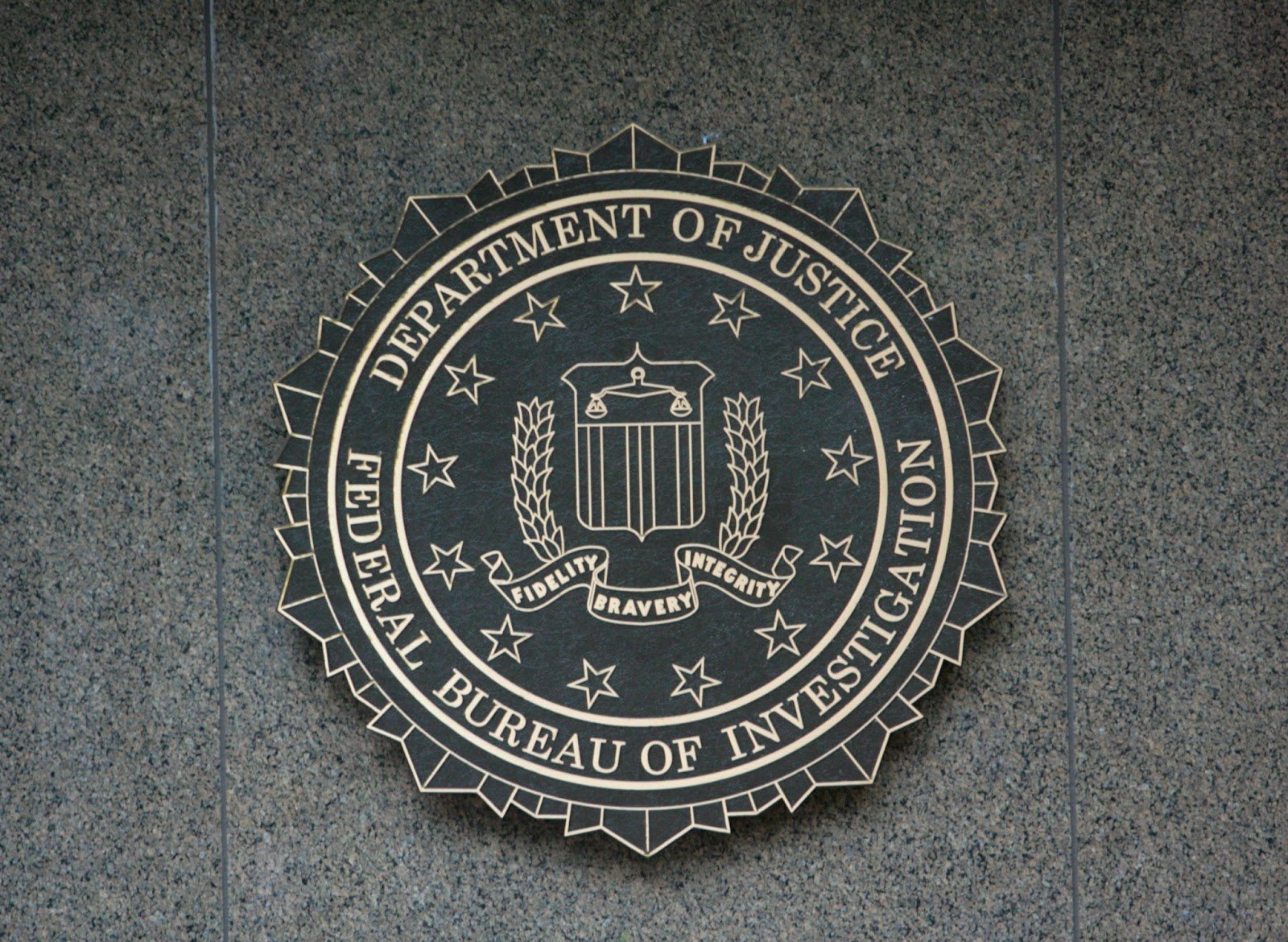
The change traces back to a warning from the FBI, which raised alarms about the risks of standard text messaging.
“It’s not often that a piece of FBI advice triggers a Snopes fact check. But the agency’s urgent message this month to Americans, often summarized as ‘stop texting,’ surprised many consumers.” NPR reported at the time, according to Forbes.
The concern was that messages sent between iPhones and Android devices — whether via traditional SMS or standard, unencrypted RCS — lacked end-to-end encryption, leaving users vulnerable.
What’s actually changing
Rather than simply bridging Apple’s iMessage with Android messaging apps, the fix goes deeper. By implementing the GSMA’s forthcoming encrypted-RCS profile, the upgrade secures the protocol itself, allowing for secure, cross-platform messaging at the network level.
Apple’s iMessage has long offered end-to-end encryption, but only within its own ecosystem. Messages sent outside that “walled garden” have remained less secure. By adopting secure RCS, Apple is effectively opening the door to safer communication between iPhones and Android devices without needing third-party apps.
Despite the adoption, the rollout won’t happen overnight. Unlike Apple, Google already uses RCS in its messaging system, making its transition simpler. Apple, however, runs iMessage separately, which makes the integration more complex.
There’s another hurdle: mobile carriers. Because RCS operates at the network level, telecom providers must also support the upgraded protocol. That adds another layer of delay and means the rollout will likely be gradual.
Apple first introduced iMessage at WWDC 2011, bringing encrypted messaging to its users from day one. But extending that same level of security beyond its own platform has taken far longer.
Signs of the update have already appeared in recent iOS betas, with the upcoming iOS 26.5 update expected to bring end-to-end encryption to cross-platform RCS messaging. Even so, full adoption will depend on coordination between Apple, Google, and carriers. That means users may see improvements roll out in stages rather than all at once.
Also read: Apple’s 2026 product roadmap points to a broader strategy built around steady ecosystem upgrades, not just headline hardware launches.
About Author




![[un]prompted 2026 – When Passports Execute: Exploiting AI Driven KYC Pipelines](https://securityboulevard.com/wp-content/uploads/2018/01/TwitterLogo-002.jpg)