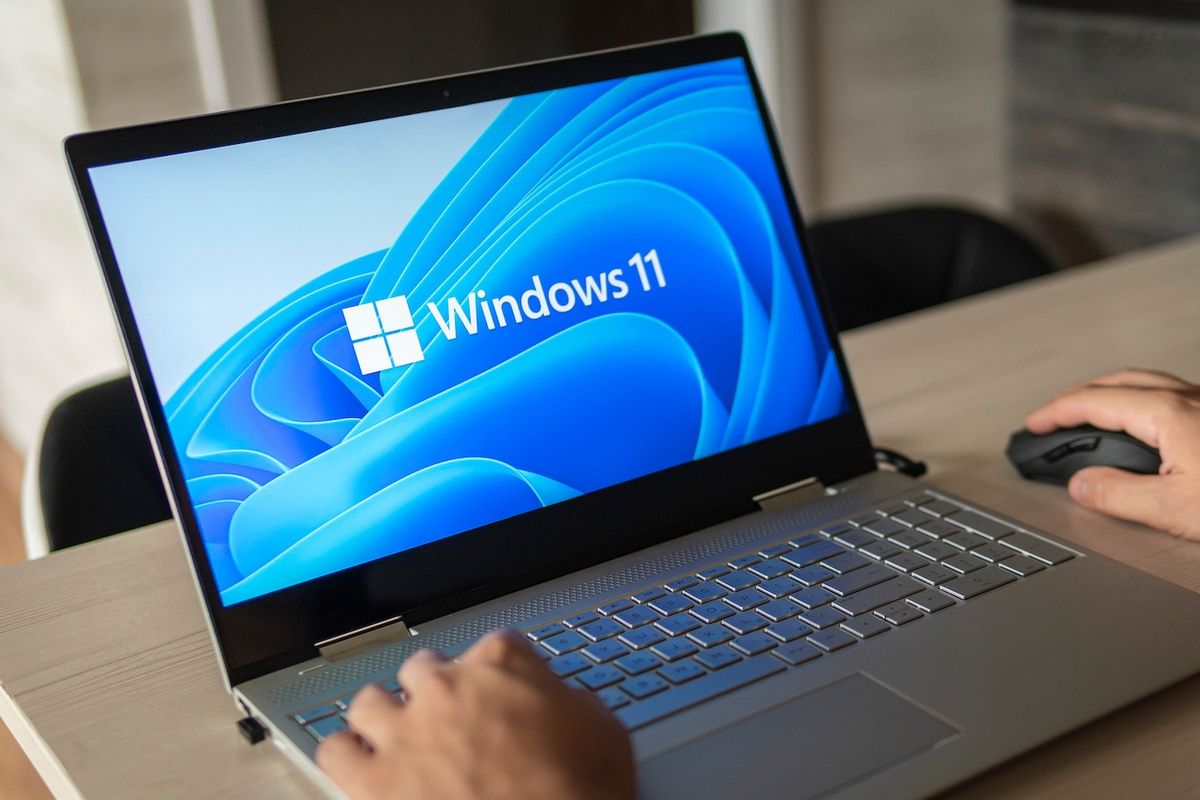
Microsoft Acknowledges Windows 11 Backlash, Plans Major Improvements in 2026
Microsoft has a reputation problem, and the company knows it.
After months of buggy updates, performance complaints, and growing user anger, the company is now shifting focus toward something many customers have been asking for: making Windows 11 work better.
According to The Verge, Microsoft is preparing a major internal effort to improve Windows 11’s core experience. Sources familiar with the company’s plans say Windows engineers are now being redirected to a process called “swarming,” in which teams focus urgently on fixing performance and reliability problems rather than pushing more add-ons.
Microsoft appears to be treating the situation seriously, as Windows 11’s steady stream of glitches has tested the patience of even loyal users.
Microsoft admits users are unhappy
Microsoft executives say the complaints are no longer ignorable. Pavan Davuluri, president of Windows and devices, told The Verge that user feedback has been loud and consistent.
“The feedback we’re receiving from our community of passionate customers and Windows Insiders has been clear. We need to improve Windows in ways that are meaningful for people,” Davuluri said in a statement to The Verge. “This year you will see us focus on addressing pain points we hear consistently from customers: improving system performance, reliability, and the overall experience of Windows.”
The company says this renewed focus will run throughout 2026, with engineers prioritizing long-standing issues instead of adding new features.
Bugs, broken updates, and everyday annoyances
The push comes after a difficult stretch for Windows 11. January 2026 alone brought multiple high-profile problems, including shutdown failures, cloud app crashes, and emergency out-of-band updates.
Separate reporting from Windows Latest confirms that Microsoft’s Jan. update, Windows 11 KB5074109, caused serious boot failures on some commercial PCs. Microsoft later acknowledged that affected systems showed a Black Screen of Death with an “UNMOUNTABLE_BOOT_VOLUME” error.
“Recent investigations have determined this issue can occur on devices that failed to install the December 2025 security update and were left in an improper state after rolling back the update,” Microsoft explained in a support document. The company says it has now deployed a fix to prevent additional systems from being affected, though machines already unable to boot still require manual recovery.
Beyond bugs, many users have also complained that Windows 11 feels increasingly intrusive, with persistent nudges to use Edge, Bing, OneDrive, and Microsoft accounts.
Performance and reliability under pressure
Aside from the update failures, performance remains a sore spot. File Explorer slowdowns, inconsistent system behavior, and updates that fix one issue while creating another have worn down users.
Windows 11’s larger system footprint has also raised questions about efficiency, with some benchmarks showing it lagging behind older versions of Windows.
Microsoft has previously promised performance improvements, including better BitLocker and gaming performance, but the repeated issues have made many users skeptical.
For many, the push into AI has felt like a distraction from these fundamental stability issues. While Microsoft is busy adding AI coloring books to Paint and “Copilot” buttons to Notepad, the OS’s basic plumbing has felt neglected.
The company is now facing a steep climb to win back its most loyal fans. As Davuluri noted in his statement to The Verge: “Trust is earned over time and we are committed to building it back with the Windows community.”
Microsoft is also rolling out Windows 11 preview updates with new AI features and phone integration as part of its broader roadmap.
About Author