The CISA in the United States has cautioned that schemers are posing as its staff members to deceive individuals for fraudulent purposes.
In a notification published on the official CISA website, the agency highlighted the growing trend of impersonation scams.
An impersonation trick involves the act of pretending to be an trustworthy individual or entity in order to trick a target into disclosing personal details, money, or making an unwise decision.
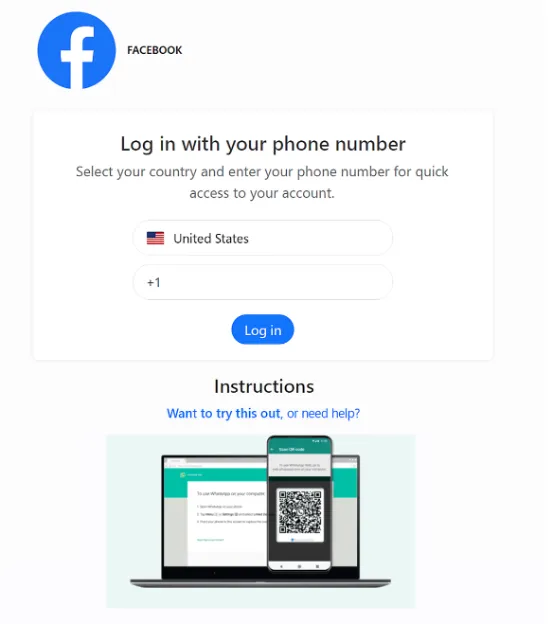
The fraudsters behind impersonation scams often put effort into making their deceptive messages appear more legitimate, like falsifying phone numbers, email addresses, or even fabricating profiles on social networking sites to give the impression that they represent a governmental agency, law enforcement, or a financial institution.
Social engineering tactics are typically employed by the scammer to pressure the target into taking immediate action, such as asserting that their bank account is compromised, their network is at risk unless urgent measures are taken, indicating that overdue taxes must be settled, or that a family member is in jeopardy.
Subsequently, the fraudster will request sensitive personal data such as passwords or social security numbers, fund transfers, or the procurement of gift cards to remit a purported fee or penalty from the victim.
The warning from CISA emphasizes that its personnel will “never ask you to transfer money, cash, cryptocurrency, or use gift cards and will not instruct you to maintain confidentiality during the conversation.”
Therefore, it is advised for individuals to treat such communications with utmost care – even if they mention the names and positions of government workers.
Approximately 490,000 impersonation scams were reported to the FTC by American citizens last year, resulting in losses surpassing US $1.1 billion, indicating a three-fold increase since 2020.
The FTC’s findings revealed a decline in the number of imposter scam reports initiated via phone calls, while reports of scams initiated through text messages or emails had risen.
Nonetheless, it is evident that certain scammers are willing to invest the effort to reach out to their targets via phone, masquerading as CISA employees, if they anticipate it will be more persuasive to the target.
CISA has straightforward guidance for individuals who suspect they are being targeted by an imposter posing as a CISA staff member:
- Do not make any payments to the caller
- Take note of the caller’s phone number
- Terminate the call immediately.
- Verify the legitimacy by contacting CISA at (844) SAY-CISA (844-729-2472) or report it to law enforcement.
This appears to be sound advice. Always validate the identity of the individual reaching out to you before revealing personal information or sending money. Reach out to organizations directly using trusted contact information – but make sure not to use the details provided by the potential scammer!
For more tips on identifying imposter scams, make sure to refer to this resource by the FTC.
Editor’s Note: The views expressed in this contributed article are solely those of the author and do not necessarily represent those of Tripwire.
About Author