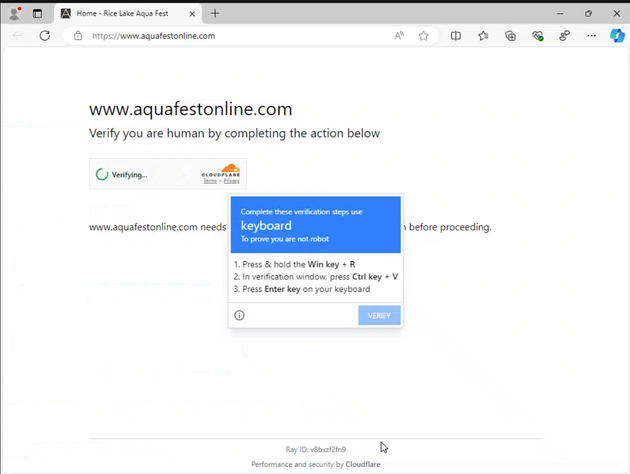
Malicious actors may try to propagate malware, including ransomware, through free document converters, as per a report from the FBI’s Denver office on March 7. The FBI cautioned that there is a rising trend of this fraudulent activity being uncovered by agents. This deceptive scheme has been implemented on a global scale, according to the FBI.
Insight into the workings of the document conversion scam
Those orchestrating the document converter scheme disguise harmful software as a legitimate utility for file conversion tasks. The software may purport to change .doc files into .pdf files, merge several .jpg files into a singular .pdf file, or facilitate the download of MP3 or MP4 audio files. While in most instances, the downloaded software accomplishes the stated conversions, it also gives the attacker entry to the victim’s device.
Once integrated, the malware allows malicious actors to pick up additional harmful software or retrieve files sent in for conversion. If these documents contain identifiable information, like birthdates, social security numbers, or telephone numbers, the perpetrator might exploit them for fraudulent purposes. The attacker could scan the submitted documents to gather banking data, seed phrases, and other details tied to cryptocurrency wallets, email addresses, and passwords.
Measures to safeguard against malware
Preventing a malware-infected download boils down to applying fundamental cybersecurity measures. Obtain software solely from reliable websites associated with esteemed organizations. Avoid engaging with sidebar advertisements, downloading content from unidentified forums, or considering social media deals that appear unusually enticing. Ensure the antivirus software is kept up to date and scrutinize any file before downloading it.
In numerous cases, online converters are redundant, with most word processing applications offering an integrated “export to pdf” feature.
SEE: Rich Communication Services (RCS) standards will eventually allow secure messaging between iMessage and Google Messages.
Steps to follow if your computer is compromised
An infection by ransomware might be flagged by a message stating that the device has been locked or by the presence of suspicious financial transactions. In such scenarios, the individual should notify their financial institution of any unauthorized transactions. The bank could temporarily suspend the impacted accounts. The user should transition to an unaffected device to alter the passwords on critical accounts and any accounts that appear to have been impacted.
Incidents of online crimes can be reported to the U.S. government at IC3.gov.
The FBI report advised taking the infected device to a computer repair center or a professional entity offering virus and malware removal services.
About Author