CGU research says more than 2 million Australian SMEs lack adequate cyber protection
fNew research released by IAG-owned insurer CGU indicates only 24% of Australia’s 2.7 million small to medium businesses (SMEs) have advanced cyber security protections in place, leaving more than 2 million with little to no meaningful protection against cyber risks.
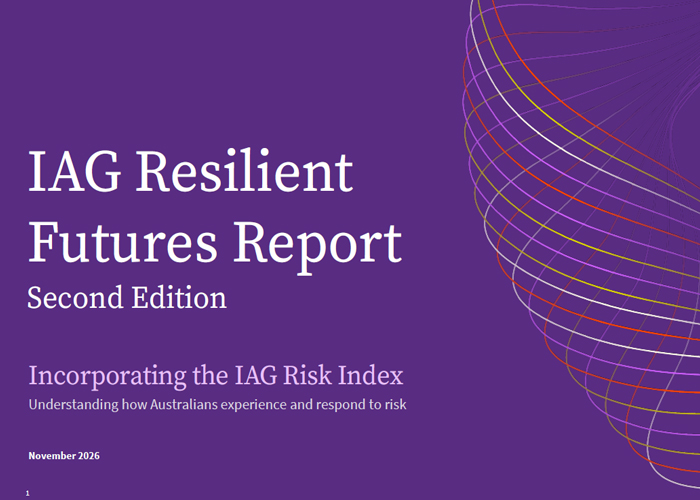
The findings were published in the second edition of IAG’s Resilient Futures Report, which examines how consumers and SMEs are responding to a changing risk environment, including cybercrime and scams.
According to the research, SMEs make up 99.8% of Australian businesses, but the survey results suggest cyber resilience is not being prioritised despite increased cyber and scam activity.
The report found 51% of SMEs surveyed had been targeted by scams in the past year. However, 78% said they believed they were protected from scams and cybercrime.
The research also pointed to gaps in basic cyber hygiene. It said only about half of SMEs take precautionary steps such as monitoring accounts, verifying payment requests, or keeping operating systems updated. It also found employee cyber awareness training and access controls were less common.
 CGU CEO Jarrod Hill said the results showed a mismatch between confidence and preparedness.
“Cybercrime is a significant and rapidly growing risk to Australian businesses, however, more than 2 million SMEs across the country could be operating without the level of cyber protection needed to withstand today’s threat environment,” Mr Hill said.
“What’s particularly concerning is the gap between confidence and preparedness. While most businesses believe they are protected from scams and cybercrime, many have not yet put in place the basic safeguards that could significantly reduce their exposure.”
The release cited national figures that more than 82,000 cybercrimes were reported in Australia last year, and that the average cost to medium businesses rose 45% to $141,300.
While 60% of SMEs surveyed said they were considering adopting advanced cyber security protections, the research suggested it was not viewed as an immediate priority for many businesses. The report also pointed to weakening sentiment, with IAG reporting a 13-point fall in SME optimism since it established its Risk Index.
The research also found cyber insurance was not widely adopted among SMEs, with survey results indicating limited uptake.
On technology adoption more broadly, the report said more than half of SMEs were delaying adoption of new technologies until necessary, citing the cost of adoption and challenges associated with upskilling staff. It found SME AI adoption was 28%, compared with 44% for consumers.
Concerns about AI among SMEs included fraud (57%) and AI making decisions based on inaccurate information (55%), which the report said underscored the need for safeguards and human oversight. More than half (57%) of SMEs surveyed also said they believed using AI would make their business a target for more sophisticated scams and fraud.
The report included comments from Stephen Kater, CEO of a retail fashion business in Bondi, NSW, who said AI was useful but required caution around information sharing.
“AI has been fantastic for my business and helps me find information quickly, but I’m always careful when it comes to sharing business or personal information,” he said.
“You don’t know who is on the other end. One wrong click could jeopardise my entire business and livelihood,” Mr Kater said.
You can read the full report here.
About Author