
eSafety rejects warning of internet bill chilling free speech
eSafety rejects warning of internet bill chilling free speech
Australia’s internet regulator has rejected warnings from tech giants that a proposed online safety law would trigger widespread censorship by platforms anxious to avoid liability, arguing that their business models incentivised them to maximise user engagement.
The government’s Digital Duty of Care legislation will force internet companies to proactively check and stop potential user harms or face fines of up to $109 million.
Industry critics and free speech advocates say it gives regulators too much say on what content is harmful, while supporters say only a wide-ranging law can ensure an effective safety framework.
The legislation has passed the House of Representatives, but needs crossbench support to clear the Senate and become law.
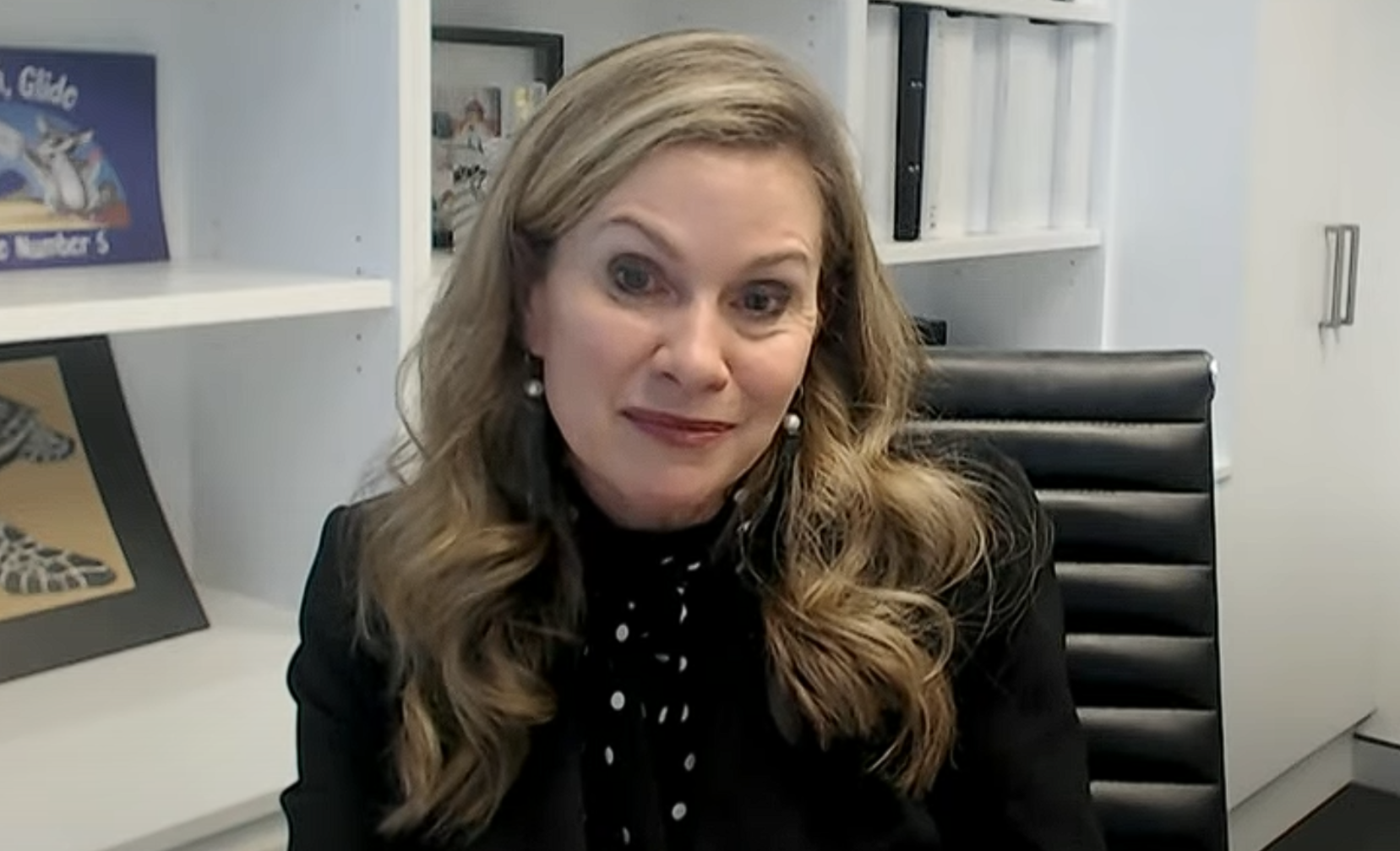
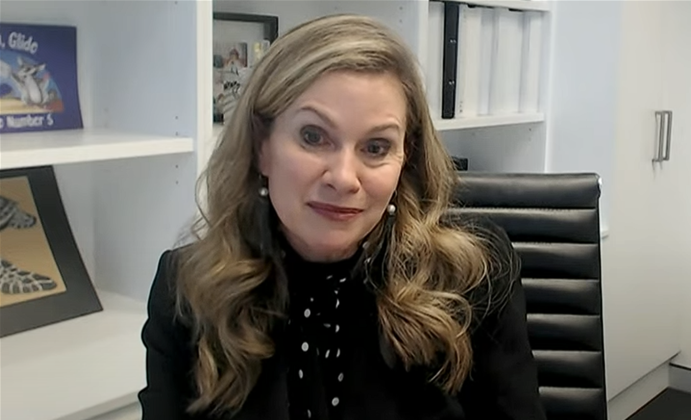
“I haven’t seen any indication, particularly over the past two years, that companies are over-censoring,” eSafety Commissioner Julie Inman Grant told a Senate inquiry, when asked about warnings the law would have a chilling effect on free speech.
“Companies today are trying to show the maximum amount of material, no matter how harmful or hurtful it is to the Australian community,” she said.
Referring to a section of the law requiring age checks if there was a risk of a child seeing pornography, a senior executive at Google in Australia told the hearing on Monday that the law might force the company to block under-18s from using its Gmail service.
Representatives from Meta, which owns Facebook, Instagram and WhatsApp, as well as TikTok and Snap, voiced similar concerns at the hearing, saying the law could give regulators too much discretion to decide what is harmful.
Inman Grant said if lawmakers considered the wording of the legislation too vague, they should include a narrower definition of harmful content.
“If there is opportunity, and we can get some more specificity, this will help us from an enforcement perspective,” she said.
Most cases of excessive content removal were the result of automated moderation systems operating without human oversight, rather than of regulatory pressure, she said.
The government wants the legislation, which would also give users the chance to opt out of algorithmically recommended content and see posts only from accounts they have chosen to follow, to be passed by the end of the year.
About Author