Fix Defence communications with a uniformed spokesperson, threat assessments
It is a bipartisan position that Australia faces its most significant strategic circumstances since World War II. But the phrase rolls off the tongue so easily it risks losing the gravity those words should carry.
Those words compare our present circumstances with a period when Australia’s maritime trade was attacked, Darwin, Katherine and other parts of northern Australia were bombed, and Japanese midget submarines entered Sydney Harbour.
If Australians are being told to prepare for the most dangerous strategic environment in generations, they should hear more often from the military professionals charged with responding to it. Defence needs a uniformed spokesperson.
The Lowy Institute’s 2026 polling suggests that Australians aren’t oblivious to the risks in our changing strategic environment. The recent poll indicated that 62 per cent of Australians believe that China is likely to become a military threat to Australia in the next 20 years, but 61 per cent still see China primarily as an economic partner rather than a security threat. Australians recognise the risk but appear less certain about what it means in practice.
Yet whenever an unusual military event occurs, Australians often respond with alarm. This was on clear display in February and March last year when a Chinese naval task group circumnavigated Australia. Was it unusual and a demonstration of capability? Yes. Does it have longer-term implications for Australian security? Yes. Did it pose an immediate threat to Australia? No.
The alarm was unnecessary but it was fuelled by a lack of understanding. Many Australians came away believing that the ships entered Australian waters, fired a missile, rehearsed strikes on Sydney Harbour and went undetected until a Virgin pilot raised the alarm. None of that is accurate. But the breakdown in communication is what allows these stories to take hold in the public mind.
Equally, the recent announcement of changes to Australia’s Optimal Pathway, the plan to acquire and maintain nuclear-powered submarines, provides another example. Australia’s plan for its third Virginia-class submarine in 2038 has shifted from a newly built Block VII boat to a lower-risk submarine with more than 20 years of service life remaining. The change quickly became a story about Australia buying the submarine equivalent of a used Corolla. Any capability analyst would recognise this as a better outcome, but the narrative took hold.
There will always be some who seize on any change to AUKUS as evidence that the whole program is falling apart. But the problem here was more fundamental: the change was poorly explained to the public.
If we are serious about comparing today’s strategic environment with Australia’s most existential crisis, we need to be far better at explaining the risks we face and the capabilities being built to address them.
Inevitably, there will be some pushback within government against freeing up communications at a time of heightened strategic uncertainty. But as crises emerge and the focus on defence capability grows, poor communication will cause the government more heartache, not less. Politicians are not always the best people to explain Defence, nor should they be expected to be. Their job is to explain the decisions they make. Military professionals should be able to explain the operations, capabilities and strategic environment that inform them.
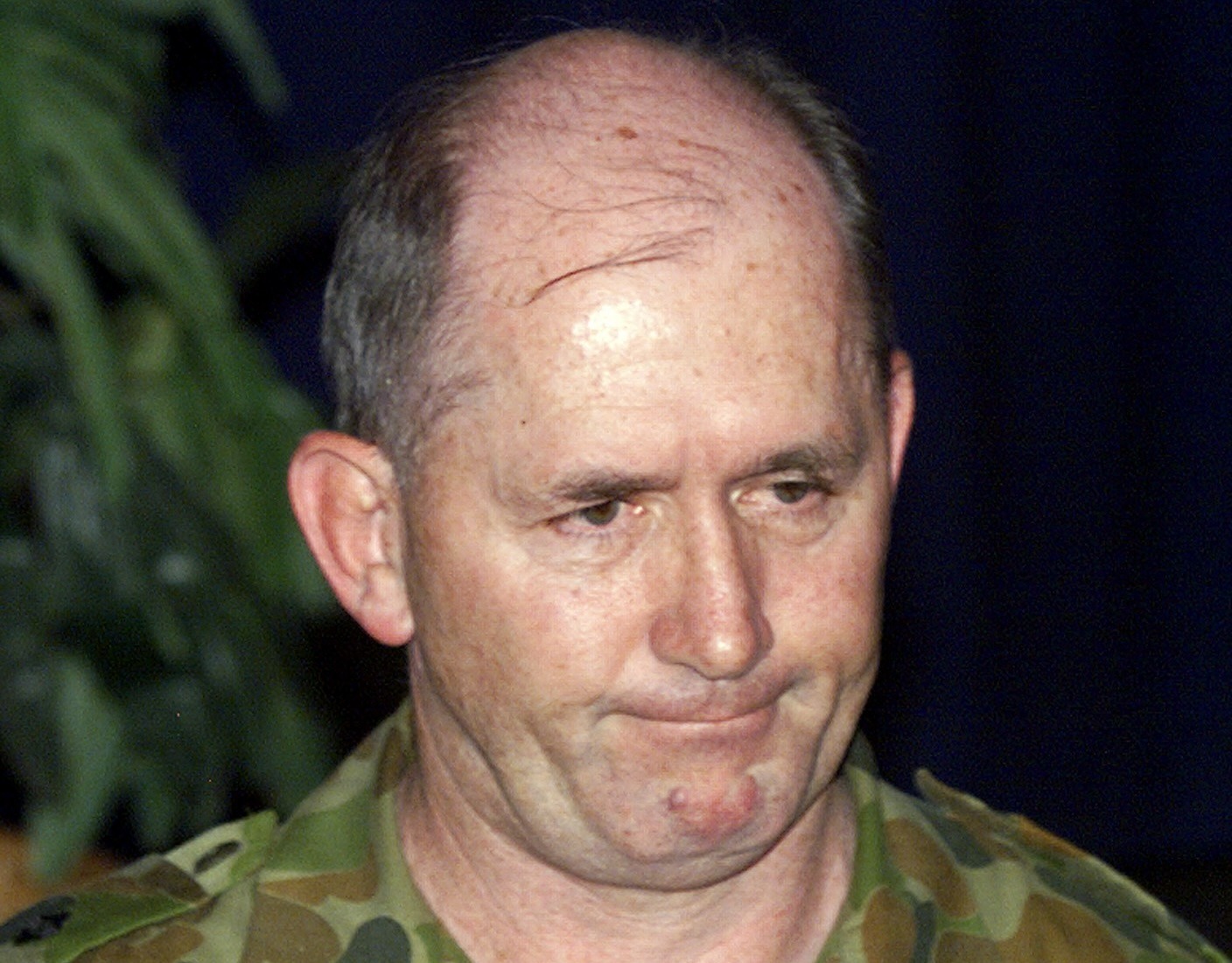
Is there a time we have got this right? Yes. During Australia’s support to East Timor in 1999, Peter Cosgrove, a major general at the time, became the face of the campaign. The Australian public was likely already predisposed to support the East Timor mission, but that should not understate the role of effective communication. Cosgrove embraced the media, became a trusted public figure and, importantly, was trusted by the government to speak directly to Australians. That trust is precisely what is missing today.
But East Timor is not the only example. At different points in Defence’s history, uniformed officers have been much more visible in explaining military operations and engaging directly with the media and the Australian public. The communications problem we have today is not inevitable. It is relatively new.
Defence should make three changes. First, appoint a uniformed Defence spokesperson to provide regular, apolitical briefings. Second, separate Defence’s ministerial communications function from its public communications function, with the latter led by a senior uniformed officer. Third, have the chief of the defence force deliver an annual public threat assessment, following the model established by the director-general of the Australian Security Intelligence Organisation.
These three steps would improve public preparedness, reduce misinformation on Defence announcements and build a more informed public as Australia’s strategic environment deteriorates.
Australia cannot simultaneously tell its citizens that the strategic environment is the most dangerous since World War II and shield them from serious regular discussion of what that means. Public understanding is not an optional extra to national preparedness. It enables it.
This article first appeared in The Australian.
About Author