India and Indonesia are developing Sabang as a port, not a base

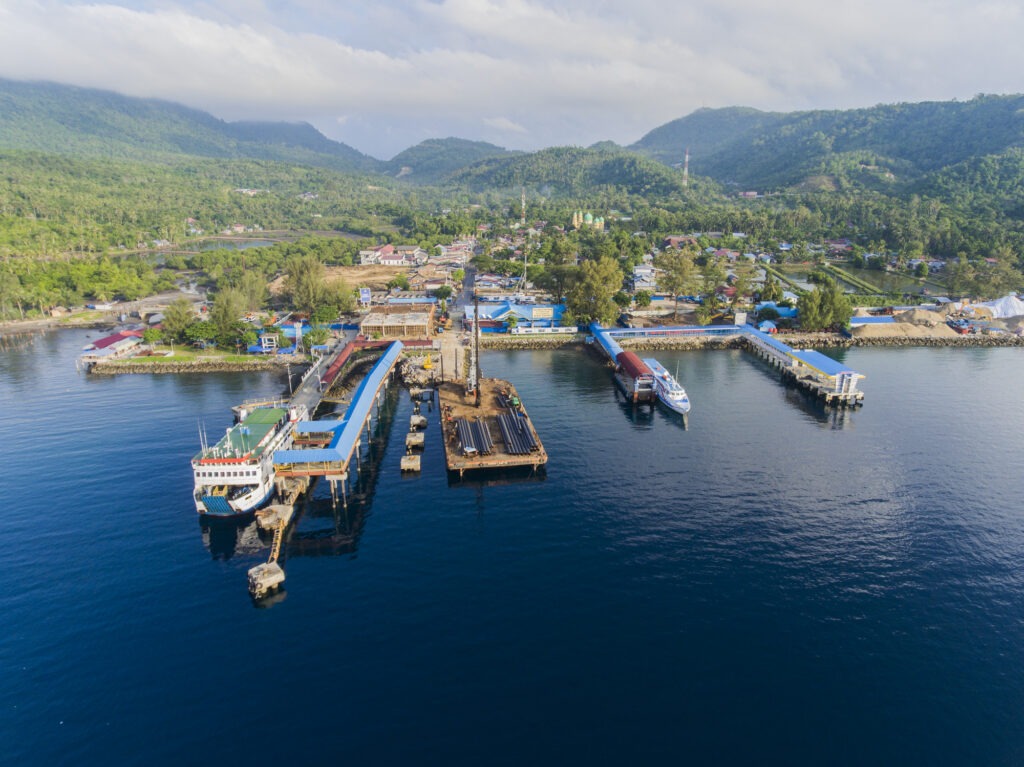
India’s interest in developing Sabang port in northern Sumatra is often interpreted as a response to China’s expanding maritime presence in the Indian Ocean. This does not capture India’s more immediate priorities. Sabang will acquire strategic weight only if it first succeeds as a commercial, locally beneficial, Indonesian-led project. It is not an Indian base-in-waiting.
During Prime Minister Narendra Modi’s July visit to Jakarta, Indonesian President Prabowo Subianto welcomed India’s interest in the integrated development of Sabang port. Its location at the northern tip of Sumatra, across the Andaman Sea from India’s Andaman and Nicobar Islands, invites speculation about naval access, but the project’s more immediate promise is the creation of a maritime corridor that supports trade, local development and regular cooperation.
India’s interest in Sabang has been evident since the 2018 Shared Vision on Maritime Cooperation, which called for stronger links between the Andaman and Nicobar Islands and Sumatra. This resulted in joint task forces, feasibility discussions and proposals for connections between Sabang and Port Blair, but little has become commercially operational.
The July joint statement adds greater substance. It identifies cruise and marine tourism, ship repair, shipbuilding and shore-based services for offshore energy activity, and asks officials to clarify the project’s scope, financing and development stages.
For India, the Sabang project is an opportunity to explore the economic potential of the Andaman and Nicobar Islands. The islands are not merely a security asset but a platform for transhipment, tourism and regional engagement, developed through the Great Nicobar Project. Sabang can boost the islands’ commercial links with Indonesia along a Sabang-Port Blair corridor that supports passenger and cargo services, repair contracts, offshore-energy activity and skills exchanges, as well as greater movement of people and goods across the Andaman Sea.
For Indonesia, Sabang could attract investment, technology and employment to Aceh, strengthen maritime industries and reinforce Indonesia’s role as the gateway between the Indian and Pacific Oceans. The project needs to be visibly Indonesian-led, consistent with national regulations and tied to local economic priorities, rather than presented as infrastructure that primarily benefits another country.
Sabang’s proximity to the Strait of Malacca does add strategic significance to the project, made more urgent by China’s expanding naval presence and investments in ports and dual-use infrastructure across the Indian Ocean. India has sought a larger role in regional maritime security, and Singapore has acknowledged New Delhi’s interest in the Malacca Straits Patrol.
But Sabang should not be seen as India’s answer to China’s ‘String of Pearls’, still less a prospective Indian base. The agreement does not provide for permanent operational access or a standing security presence. Indonesia has long guarded its sovereignty and is unlikely to compromise it.
Instead, India’s objective is more modest and realistic – to improve maritime awareness, build logistical familiarity and deepen cooperation with regional partners in the eastern Indian Ocean. Sabang fits a strategy of presence through partnership rather than dominance through access.
Some security benefits would naturally follow successful economic development. Better port facilities could support commercial calls, coast guard exchanges, humanitarian missions and occasional naval visits, subject to Indonesian approval. India and Indonesia already conduct coordinated patrols, naval exercises and maritime information-sharing. Sabang would add opportunities for repair, replenishment and cooperation near the eastern approaches to Malacca.
The harder question is whether the two governments can build a project that benefits shipping companies, investors and local communities. The joint statement names no financing package, commercial operator, shipping route or timetable. India and Indonesia should be aware that strategic location alone does not create demand. Ports become valuable only when vessels call, businesses invest and institutions develop regular patterns of cooperation.
The Joint Task Force on Andaman–Aceh connectivity should identify a small number of bankable activities: a regular passenger or cargo link with Port Blair, repair and maintenance contracts, tourism packages, offshore-service partnerships and training links between maritime institutions in Aceh and the Andamans.
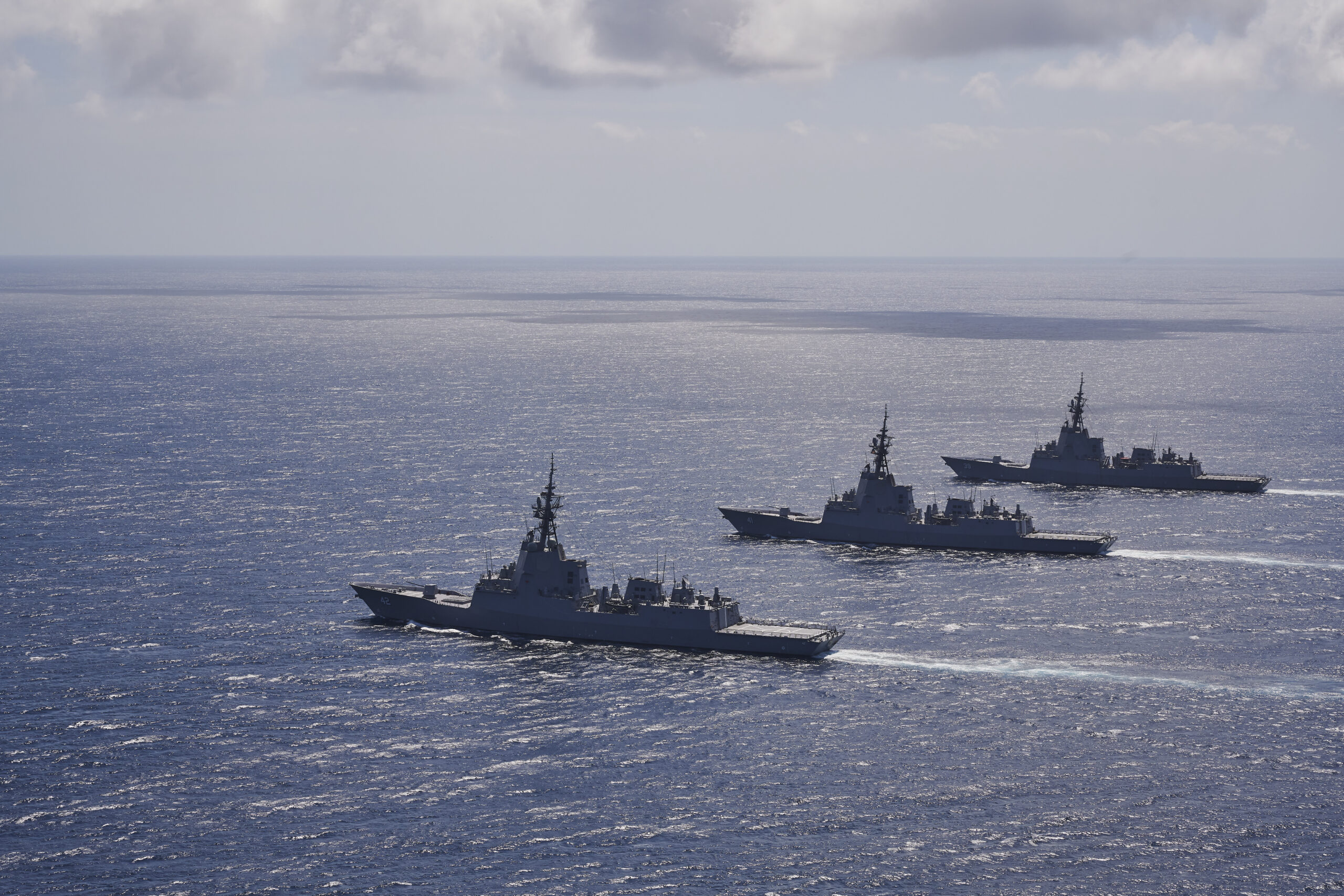
Australia has a supporting role. The joint statement identifies the India-Indonesia-Australia trilateral as a vehicle for maritime domain awareness, marine pollution and the blue economy. Coordination in search and rescue, disaster response, subsea-infrastructure protection and shared awareness could connect Sabang to a wider eastern Indian Ocean network, without the need for Australia to join the port project.
The significance of Sabang port lies in its geography that brings India and Indonesia closer together. The challenge lies in using the project to create a functioning maritime corridor. If the port becomes commercially useful, locally beneficial and institutionally linked to the Andamans, it will gain strategic value without becoming a military facility.
About Author