Passkeys Hit Critical Mass: Microsoft Auto-Enables for Millions, 87% of Companies Deploy as Passwords Near End-of-Life
Breaking: Microsoft begins auto-enabling passkey profiles across all Microsoft Entra ID tenants this week, forcing the largest enterprise migration to passwordless authentication in history.
Passkeys Hit Critical Mass: Microsoft Auto-Enables for Millions, 87% of Companies Deploy as Passwords Near End-of-Life
Breaking: Microsoft begins auto-enabling passkey profiles across all Microsoft Entra ID tenants this week, forcing the largest enterprise migration to passwordless authentication in history. Organizations that haven’t configured custom settings by early April will have passkey defaults applied automatically, affecting millions of enterprise users globally.
The move caps an extraordinary period of passkey adoption acceleration. New data shows 87% of U.S. and UK companies have deployed or are actively deploying passkeys, while 69% of consumers now have at least one passkey—up from 39% just two years ago—according to research from the FIDO Alliance and HID Global published this month.
“The transition from passwords to passkeys is a once-in-a-generation change and the most consequential security advancement for everyday users in decades,” said John Bennett, CEO of Dashlane, in remarks accompanying the company’s 2025 Passkey Power 20 report released October 2025.
March 2026 has emerged as the inflection point security experts have predicted for years: the moment when passwordless authentication shifts from emerging technology to mainstream standard.
Microsoft Forces Enterprise Hand
Microsoft’s automatic passkey enablement, disclosed in Message Center notification MC1221452 in January 2026, represents the tech giant’s most aggressive push toward passwordless authentication to date.
The timeline:
Early March 2026: General Availability rollout begins (happening now)
Early April through late May 2026: Automatic migration for tenants that haven’t opted in
June 2026: Government cloud environments (GCC, GCC High, DoD) follow
The update introduces a new passkeyType property enabling administrators to configure device-bound passkeys, synced passkeys, or both—replacing the previous single tenant-wide FIDO2 policy with granular, group-based profiles.
“If you haven’t looked at your FIDO2 settings in a while, now’s the time,” warned security analysts at Alt Tab to Work in a February 2026 technical breakdown. “Microsoft is forcing one of the biggest authentication shifts in recent Entra ID history.”
For organizations caught unprepared, Microsoft’s automatic migration could create configuration gaps. “We all know how much fun it is when Microsoft decides to silently change our default tenant configurations,” the analysts noted, urging immediate action.
What’s Changing
Passkey Profiles introduce:
Group-based configuration with up to three profiles (more planned)
Device-bound vs. synced passkeys: Separate policies for hardware-backed (Windows Hello, FIDO2 keys) versus cloud-synced (iCloud Keychain, Google Password Manager, 1Password, Bitwarden)
Attestation enforcement: Cryptographic proof of passkey make/model during registration
Registration campaigns: Auto-targeting passkeys instead of Microsoft Authenticator
Synced passkeys, the headline feature, address the primary adoption barrier enterprises have faced: cross-device usability. Previously, device-bound passkeys required re-registration on every machine. Synced passkeys maintain phishing resistance while allowing seamless authentication across a user’s devices.
The trade-off: Synced passkeys don’t support attestation in Entra ID. Organizations enforcing attestation (cryptographic hardware verification) must use device-bound passkeys only.
When building the CIAM platform that scaled to serve over a billion users, we learned that authentication friction is the silent killer of security adoption. Users work around systems that slow them down. Synced passkeys eliminate that friction while maintaining phishing resistance—exactly the balance enterprises need.
Reddit Deploys Passkeys for “Proof of Humanness”
In a development announced March 24, 2026, Reddit revealed plans to use passkeys as a primary weapon against its bot problem—introducing a novel use case beyond traditional authentication.
Reddit CEO Steve Huffman described the approach in an interview with TBPN, coining what he calls “ass in seat” verification—confirming a real human is using Reddit, regardless of the tools they’re using.
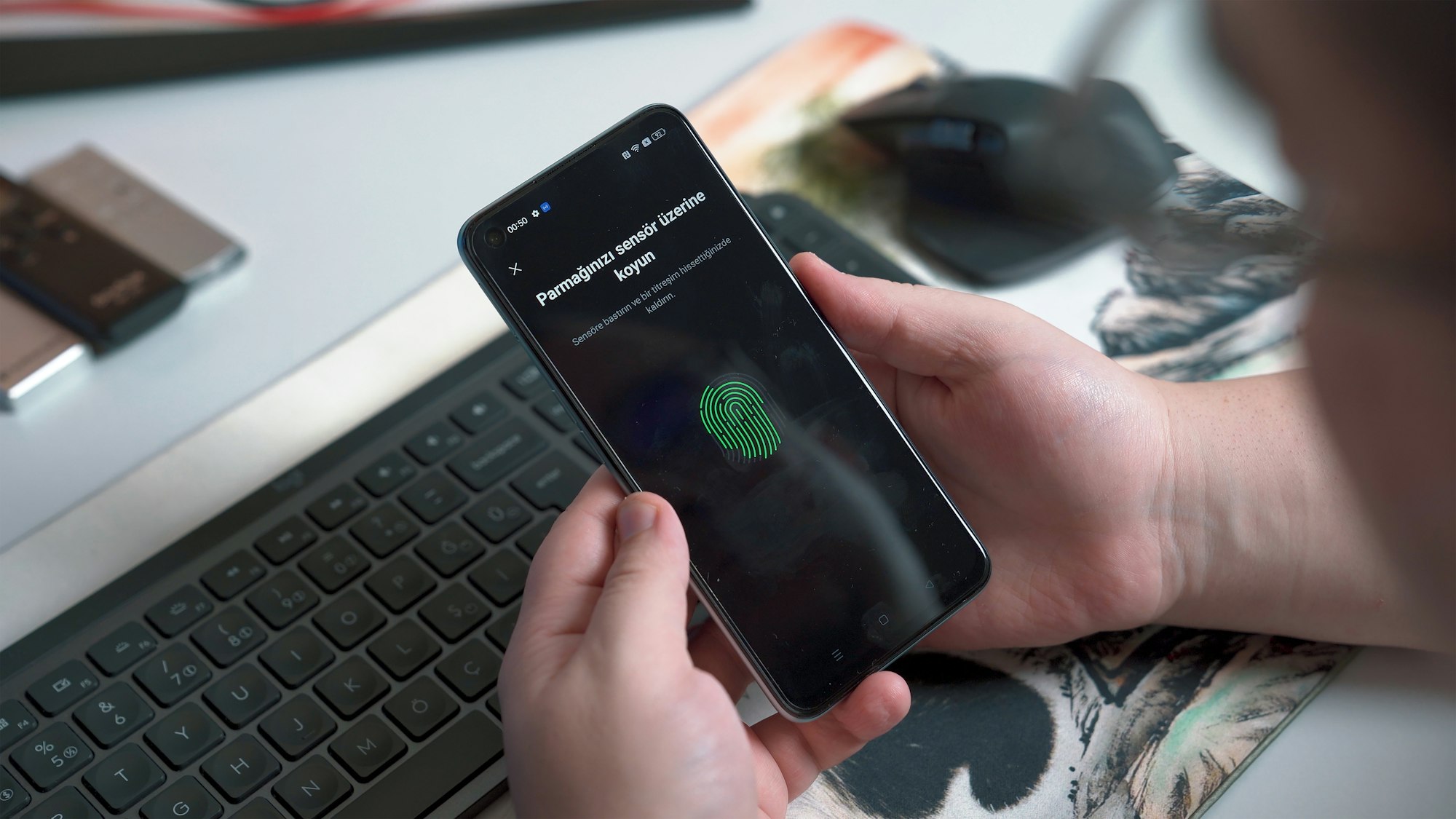
“Face ID, Touch ID and biometric passkeys are the most lightweight way to verify what may be called AIS,” Huffman stated. “A human has to touch or do or look at something. That gets you pretty far” toward verifying an end user is real.
The Reddit Implementation
Human verification requirements:
Targeted enforcement: Only “fishy” account activity triggers verification (not every user)
Anonymity preserved: Reddit wants to know IF a user is a person, but not WHO that person is
Passkey as proof: Face ID, Touch ID, and passkeys require physical human presence
Bot disclosure required: Automated accounts must be disclosed as bots by users
Why this matters:
Millions of users will experience passkey-based human verification
Novel use case: Passkeys for identity assurance, not just authentication
Preserves anonymity: Critical for Reddit’s community model
Combats AI-generated content: As bots become more sophisticated, biometric presence verification becomes essential
The regulatory context:
Reddit faces global pressure on age assurance and online safety. The UK Information Commissioner’s Office fined Reddit £14.47 million (~$19.55 million) in February 2026 for “serious failures in age assurance under UK data protection law.”
Passkeys provide a path to verify humanness without collecting personally identifiable information—exactly what platforms navigating privacy regulations need.
Proof of Personhood Momentum
Reddit’s move aligns with broader industry efforts on “proof of personhood” (PoP) or “proof of human” (POH) verification:
Other platforms exploring PoP:
World ID (previously considered by Reddit for proof of personhood)
Humanity Protocol (pivoted toward verifiable credentials, pursuing event ticketing use cases)
Facebook (3 billion users got passkeys in June 2025)
Various financial platforms requiring passkeys for cryptocurrency access (Gemini saw 269% adoption spike)
The pattern: As AI-generated content and sophisticated bots proliferate, platforms need lightweight ways to verify human presence without compromising privacy or requiring invasive identity checks.
Passkeys solve this elegantly: They prove device possession + biometric presence, confirming a human is physically interacting with the service, without revealing who that human is.
When building the CIAM platform, we never imagined passkeys being used for proof of humanness at scale. The use case evolution is fascinating—from authentication replacement to identity assurance without identification.
Security Research: Google Authenticator Passkey Vulnerabilities
As passkey adoption accelerates, security researchers are uncovering previously unexplored attack surfaces in cloud-synced implementations.
Palo Alto Networks research published March 25, 2026 revealed hidden mechanisms in Google Authenticator’s synced passkey architecture that introduce new cybersecurity risks.
The Cloud-Based Architecture
Google’s passkey ecosystem relies on cloud component that handles:
Sensitive cryptographic operations
Passkey synchronization across macOS, Windows, Linux, ChromeOS
Security Domain Secret (SDS) management (master key encrypting all synced passkeys)
Recovery PIN generation
The onboarding process:
First device initiates background onboarding
Keys registered with remote cloud authenticator
Unique wrapping key created for future communications
Security Domain Secret (SDS) generated as master encryption key
Recovery PIN established
Synchronization mechanics:
Chrome establishes secure peer-to-peer connection with cloud authenticator (WebSockets + Noise Protocol)
Cloud authenticator decrypts master SDS
Generates new passkey, encrypts it
Sends encrypted passkey to device
Uploads to Chrome Sync for distribution to all enrolled devices
The New Attack Surfaces
Palo Alto Networks identified risks:
Cloud compromise vectors:
If attacker compromises communication channels, could impersonate trusted synced device
Cloud-based weaknesses potentially exploitable for unauthorized passkey authentication
Anomalous authentication patterns difficult to detect across distributed devices
The hybrid trade-off:
Benefit: Seamless cross-device synchronization
Risk: Cloud identity infrastructure becomes dynamic attack surface
Challenge: Monitoring for misconfigured access permissions, compromised channels
Security team imperatives:
Treat cloud identity infrastructure as evolving attack surface
Monitor for anomalous authentication patterns
Detect misconfigured access permissions
Assume adversary targets cloud-based passkey management
The research conclusion: While Google’s hybrid approach enables usability, it opens doors to threats that didn’t exist with purely device-bound passkeys.
The lesson: As passkeys scale to billions of users, implementation security becomes as critical as protocol security. Synced passkeys trade some hardware-backed guarantees for convenience—organizations must understand and monitor those trade-offs.
The Adoption Explosion: By the Numbers
Multiple data sources converge on the same conclusion: passkey adoption has reached critical mass in early 2026.
Consumer Adoption
FIDO Alliance World Passkey Day 2025 research (November 2025):
69% of consumers have at least one passkey (up from 39% two years prior)
54% consider passkeys more convenient than passwords
53% believe passkeys offer greater security
38% of passkey users enable them whenever possible
Dashlane Passkey Power 20 report (October 2025):
Passkey authentications doubled year-over-year to 1.3 million per month
40% of Dashlane users now store at least one passkey (double from 2024)
98% success rates for passkey authentication
Login times 17x faster than traditional passwords on platforms like TikTok
Enterprise Deployment
HID and FIDO Alliance enterprise survey (September 2024, 400 executives):
87% have deployed or are deploying passkeys
Two-thirds call passkey deployment high or critical priority
Password usage dropped 26% after passkey implementation
85% reduction in password reset support costs
Authentication 4x faster compared to passwords with MFA
Descope State of Customer Identity 2025:
45% of organizations deployed passkeys in one or more applications
27% plan implementation in next 2 years
48% of top 100 websites now offer passkeys (more than double since 2022)
Platform Momentum
Google: Over 800 million accounts now use passkeys
Amazon: 175 million users created passkeys in first year (approximately 25% of customer base)
Login speeds 6x faster than traditional passwords
Directly addresses checkout abandonment from forgotten passwords
Microsoft: Made passkeys default for new accounts in May 2025
120% increase in authentications following the change
95% success rate with passkeys vs. 30% with legacy methods
14x faster authentication
PayPal, GitHub, TikTok: All reporting significant reductions in account takeovers and improved user satisfaction
Regulatory Pressure Accelerates Timeline
Government mandates are forcing the pace, particularly in financial services.
Active Regulatory Deadlines
UAE Central Bank (Issued June 2025):
March 31, 2026 deadline: All licensed financial institutions must eliminate SMS and email OTPs
Emirates NBD, ADIB, FAB already transitioned by end of 2025
India:
April 1, 2026 deadline: Phishing-resistant MFA required for financial services
Philippines:
June 2026 deadline: SMS OTP elimination for regulated financial institutions
EU Digital Identity Wallet:
End of 2026 rollout: Pan-European digital identity infrastructure
U.S. Federal Government:
NIST SP 800-63-4 (July 2025): AAL2 multi-factor authentication must offer phishing-resistant option
AAL3 requires phishing-resistant authenticators with non-exportable private keys
USPTO discontinued SMS authentication May 1, 2025
FINRA followed in July 2025
FBI and CISA issued warnings against SMS for authentication
“Organizations that haven’t started their transition away from SMS OTP and towards phishing-resistant authentication are running out of time,” warned analysts at Authsignal in a December 2025 assessment of the regulatory landscape.
The SMS OTP Death Spiral
The convergence is clear: SMS one-time passwords are officially on their way out across regulated industries.
The drivers:
Security failures: 88% of breaches involve weak or stolen passwords (Verizon 2025 DBIR)
Phishing vulnerability: SMS OTPs easily intercepted via SIM swapping, SS7 attacks
User friction: 47% of consumers abandon purchases if they’ve forgotten passwords (FIDO Alliance)
Cost: OTP delivery fees add up across millions of authentications
The replacement: Passkeys provide phishing resistance, eliminate password reset costs, and improve user experience—addressing all three failure modes simultaneously.
When building the CIAM platform, we watched helpless as SMS-based authentication failed repeatedly. SIM swapping attacks, SS7 vulnerabilities, delivery failures—SMS was never designed for security. The regulatory death sentence is overdue.
Why 2026 Is the Tipping Point
Several converging factors explain why passkey adoption exploded in 2025-2026 after years of slow growth.
1. Ecosystem Maturity
Universal browser support:
Chrome 108+ (released 2022)
Safari 16+ (released 2022)
Edge 108+ (released 2022)
Operating system readiness:
iOS 16+ (September 2022)
Android 9+ (2018, but improved in Android 14, 2023)
macOS Ventura+ (October 2022)
Windows 10/11 (Windows Hello integration)
Identity provider production deployments:
Okta (production-ready)
Azure AD/Entra ID (GA March 2026)
Auth0 (full support)
Ping Identity (deployed)
Cross-platform credential portability:
Apple introduced import/export across operating systems (2024)
Google Password Manager end-to-end encrypted sync
Third-party password managers (1Password, Bitwarden, Dashlane) full passkey support
Hardware security standard:
TPM (Trusted Platform Module) standard in modern PCs
Secure Enclave in all recent iOS devices
Titan M in Google Pixels
Hardware-backed security ubiquitous
“What used to be a six-month migration is now a 2-3 sprint project,” noted analysts at Nu Summit in a December 2025 assessment. “IAM platforms provide drop-in passkey widgets, embedded WebAuthn libraries, automated fallback strategies, and admin-level attestation support.”
2. Mobile-First Reality
The behavioral shift:
Daily digital life revolves around mobile apps
Biometric login already deeply ingrained (Face ID, Touch ID, fingerprint)
Users expect “tap and login” frictionless experience
Desktop-centric password workflows feel archaic
Passkeys extend existing behavior users already trust—unlocking their phone—to every authentication touchpoint.
Business case alignment:
OTP costs rising (SMS fees, delivery infrastructure)
SMS fraud increasing (phishing, SIM swapping)
Biometric hardware-backed authentication far more secure
User satisfaction higher (faster, easier)
3. Demonstrated ROI
Real-world performance metrics:
HubSpot (December 2024 launch):
25% improvement in login success rates over passwords
4x faster login time vs. passwords with 2FA
Rapid adoption since late 2024 launch
Significant reduction in password reliance
Air New Zealand:
50% reduction in login abandonment
30% increase in conversions
Sony PlayStation:
88% faster enrollment globally
24% faster login times
Ubank and Revolut:
Full deployment completed
Two-thirds opt-in rate among users
Slashed signup times
X (formerly Twitter):
Doubled login success rates after passkey introduction
The pattern: Passkeys don’t just improve security—they improve business metrics. Faster logins, higher success rates, reduced support costs, increased conversions.
4. Platform Defaults Drive Behavior
The forcing function:
Microsoft making passkeys default for new accounts (May 2025) drove 120% authentication increase.
Gemini requiring passkeys for cryptocurrency access (May 2025) resulted in 269% adoption spike.
Apple, Google, Microsoft syncing passkeys via iCloud Keychain, Google Password Manager creates seamless cross-device experience.
When platforms make passkeys the path of least resistance, adoption follows.
“Zero passwords should be the goal, and we’re certainly moving towards a point where the password begins to disappear,” said Bennett. “Much of passkey adoption can be traced back to major enterprise platforms making passkeys the default authentication method.”
The Enterprise Implementation Reality
Despite headline adoption numbers, enterprise deployments reveal nuanced rollout strategies.
Phased Approach Dominates
Only 21% of organizations deploying passkeys target all users immediately, according to HID/FIDO research.
Most prioritize:
Users with access to sensitive data
High-value accounts (executives, admins)
Security-conscious early adopters
Tech-savvy user groups
The rationale: Simplifies change management, proves value with limited scope, allows iteration before broad rollout.
Mixed Passkey Types
Most organizations deploy both:
Device-bound passkeys for highest-security scenarios (privileged access, sensitive data)
Synced passkeys for general workforce (convenience, cross-device)
Smart cards remain popular for device-bound passkeys in enterprises already familiar with them.
The future pattern: Hybrid deployments matching passkey type to risk profile rather than universal one-size-fits-all approaches.
Legacy System Challenge
HYPR March 2026 report findings:
76% of organizations still rely on legacy passwords as primary authentication
Only 43% have deployed any passwordless authentication
Of those, vast majority rolled out to less than half their workforce
“Passwords continue to serve essential roles for many applications, largely because legacy systems require a longer-tail transition period,” Bennett noted. “The move away from password use will happen more gradually as organizations must take into account how they manage passkeys and user access workflows.”
The timeline: Most experts predict 3-5 years for mainstream enterprises to complete passwordless transitions, with passwords relegated to legacy fallback status rather than primary authentication by 2028-2030.
When building the CIAM platform, I maintained dual authentication paths for years during transitions. The lesson: support both old and new simultaneously, make the new path easier, let adoption happen organically rather than forcing big-bang cutover.
Technical Implementation: What Works
Organizations successfully deploying passkeys follow consistent patterns.
Start with High-Value, Low-Complexity
Winning first deployments:
Consumer-facing applications (high ROI, clear metrics)
Internal admin portals (security-conscious users, limited scope)
SaaS platforms (modern architecture, easy integration)
Avoid for initial rollout:
Legacy mainframe systems (complex integration)
Highly regulated workflows (lengthy approval processes)
Broad workforce all-at-once (change management nightmare)
Implement Hybrid Authentication
Best practice architecture:
Authentication flow:
1. Attempt passkey (if registered)
2. Fall back to password + MFA (if passkey unavailable)
3. Offer passkey registration during password login
4. Gradually reduce password reliance as passkey adoption grows
Why hybrid works:
Users choose when to adopt (reduces resistance)
No disruption for those not ready
Clear migration path without forced cutover
Maintains access if passkey temporarily unavailable
Leverage IAM Platform Support
Modern identity providers offer:
Drop-in WebAuthn widgets (minimal development)
Registration campaign automation (proactive enrollment)
Policy-based enforcement (gradually tighten requirements)
Detailed analytics (track adoption, identify issues)
Integration timeline:
Proof of concept: 1-2 weeks
Pilot deployment: 4-8 weeks
Broad rollout: 3-6 months
“What used to be a six-month migration is now a 2-3 sprint project,” industry analysts report.
Address Account Recovery
The critical gap: What if user loses device with passkey?
Solutions:
Backup passkeys on secondary devices
Recovery codes (one-time use, securely stored)
Admin reset workflows (verified identity, re-enrollment)
Biometric identity verification (Microsoft Entra Verified ID Face Check with liveness detection)
Microsoft’s approach: Selfie biometrics matched to government-issued ID document, powered by Azure AI, with identity verification from Idemia Public Security, LexisNexis, or Au10tix.
Without account recovery plan, passkey adoption stalls. Users fear being locked out permanently.
What Organizations Should Do This Quarter
For enterprises navigating Microsoft’s automatic passkey enablement and broader industry momentum, here’s the priority action plan:
Immediate Actions (This Week)
1. Review Microsoft Entra passkey configuration
For Microsoft Entra ID tenants:
Navigate to Security → Authentication methods → Policies
Check current passkey (FIDO2) settings
Decide: Opt in during March GA rollout (control configuration) or wait for automatic April migration (inherit defaults)
Best practice: Opt in early to configure passkey profiles intentionally rather than accepting Microsoft’s defaults.
2. Understand device-bound vs. synced passkeys
Device-bound:
Private key never leaves physical device
Highest security assurance
Requires re-registration on each device
Use for: Privileged access, sensitive data, compliance requirements
Synced:
Private key encrypted and synced across user’s devices
Phishing-resistant but slightly lower assurance
Seamless cross-device experience
Use for: General workforce, consumer applications
Most organizations will deploy both. Match passkey type to risk profile.
3. Pilot with security-conscious users
Don’t:
Force passkeys on entire organization immediately
Target non-technical users first
Deploy without fallback authentication
Do:
Start with IT security team, early adopters
Collect feedback, iterate on process
Measure login success rates, support tickets
Expand gradually as confidence builds
This Month
4. Build passkey rollout roadmap
Phase 1: Opt-in for tech-savvy users
Enable passkey profiles in Entra ID
Launch registration campaign for volunteers
Target 10-20% adoption
Measure success rates, support impact
Phase 2: Expand to broader workforce
Proactive registration campaigns
Make passkeys default for new account creation
Maintain password fallback
Target 40-60% adoption
Phase 3: Increase enforcement
Require passkeys for sensitive data access
Sunset passwords for new hires
Legacy exceptions only
Target 70-80% adoption
Phase 4: Passwordless-first organization
Passkeys required except documented exceptions
Passwords legacy fallback only
Continuous optimization
Target 90%+ adoption
5. Update authentication strength policies
In Entra ID:
Review conditional access policies
Consider passkey-only policies for:
Privileged admin access
Sensitive data repositories
High-value applications
Gradual tightening: Start with high-risk scenarios, expand over time as adoption grows.
6. Plan communication and training
User communication must address:
What passkeys are (phishing-resistant, no passwords)
Why we’re deploying them (security, convenience)
How to register (step-by-step with screenshots)
Account recovery process (what if device lost)
Who to contact for help (support resources)
Training formats:
Self-service documentation
Video walkthroughs
Live Q&A sessions
Champions/early adopters as peer support
This Quarter
7. Integrate with broader identity strategy
Passkeys don’t exist in isolation:
Align with zero-trust architecture
Coordinate with device management (MDM)
Integrate with SSO providers
Update incident response playbooks
The goal: Passkeys as one component of defense-in-depth, not single point of authentication.
8. Evaluate password manager strategy
Many enterprises use password managers today. With passkeys:
Password managers evolve into passkey managers:
1Password, Bitwarden, Dashlane all support passkeys
Cross-platform sync maintained
Familiar interface for users
Gradual transition from passwords to passkeys
Consider: Maintain password manager contracts as they transition to passkey storage infrastructure.
When building the CIAM platform, I haved learned that authentication transitions succeed when they’re evolutionary, not revolutionary. Users need familiar touchpoints during change. Password managers becoming passkey managers provides that continuity.
The Passwordless Future: 2026-2030 Timeline
Industry analysts and deployment data suggest the following trajectory:
2026-2027: Consumer Standard
Passkeys become default for consumer applications:
Email (Gmail, Outlook already support passkeys)
E-commerce (Amazon, major retailers)
Social media (X, others following)
Financial services (banking apps leading adoption)
Passwords remain available but increasingly hidden as secondary option.
Enterprise deployments accelerate as platforms make integration trivial and business case becomes overwhelming.
2028-2030: Enterprise Mainstream
Passwords relegated to legacy status:
New accounts created passwordless
Existing accounts encouraged to migrate
Passwords available for edge cases, exceptions
Support costs plummet as password resets decline
Cross-device sharing improves:
Borrowed/public device authentication scenarios solved
Temporary passkey sharing mechanisms
Recovery workflows streamlined
IoT standardizes on FIDO2:
Smart home devices
Wearables
Connected cars
Industrial IoT
Beyond 2030: Passwords as Historical Artifact
“The password era is ending, not through mandate, but through momentum,” Dashlane’s Bennett stated.
The endgame:
Biometric authentication ubiquitous
Passwords exist only in legacy system maintenance
New generations never create passwords
Security breaches via stolen credentials become historical curiosity
Gartner prediction: Passkeys become main authentication method by 2027, with 2026 marking the crucial inflection point.
The Bottom Line
March 2026 represents the moment passwordless authentication crossed from emerging technology to mainstream standard—with new use cases emerging beyond traditional authentication.
The convergence:
Microsoft auto-enables passkeys for millions of enterprise users (March 2026)
Reddit deploys passkeys for proof of humanness—verifying real users vs. bots while preserving anonymity (March 24-25, 2026)
Security research reveals Google Authenticator cloud passkey vulnerabilities requiring new monitoring approaches (Palo Alto Networks, March 25, 2026)
87% of companies deployed or deploying passkeys
69% of consumers have at least one passkey
800M Google accounts, 175M Amazon users actively using passkeys
Regulatory deadlines forcing financial services migration (UAE March 2026, India April 2026)
NIST mandates phishing-resistant MFA for federal agencies
SMS OTP officially sunset across regulated industries
The business case:
98% success rates vs. password failures
17x faster logins on platforms like TikTok
85% reduction in password reset support costs
26% drop in password usage post-deployment
50% reduction in login abandonment (Air New Zealand)
30% increase in conversions
The technology maturity:
Universal OS and browser support
Production-ready IAM platform integrations
Hardware-backed security standard in modern devices
Cross-platform credential portability solved
What organizations must do:
This week:
Review Microsoft Entra passkey configuration
Decide: Opt in for GA rollout (control settings) or accept April auto-migration (inherit defaults)
Pilot with security-conscious users
This month:
Build phased rollout roadmap (Q2-Q4 2026, into 2027)
Update authentication strength policies
Plan user communication and training
This quarter:
Integrate passkeys with broader identity strategy
Evaluate password manager evolution to passkey managers
Measure adoption metrics, iterate on process
The timeline:
2026-2027: Passkeys become consumer authentication standard
2028-2030: Enterprise mainstream, passwords relegated to legacy
Beyond 2030: Passwords as historical artifact
The question is no longer whether to adopt passkeys, but how quickly organizations can complete the transition before regulatory deadlines, competitive pressure, and security realities force their hand.
For enterprises still on the fence, Microsoft’s auto-enablement removes the option to wait. The passwordless future arrived this week. Organizations either lead the transition or react to it.
After decades of password managers, complexity requirements, and multi-factor authentication Band-Aids, the industry finally has a solution that improves both security and user experience simultaneously.
The password is dying. Not through mandate, but through momentum.
Key Takeaways
Microsoft auto-enables passkey profiles for all Entra ID tenants March 2026—opt in now or accept defaults in April
Reddit deploying passkeys for “proof of humanness”—using Face ID/Touch ID to verify real users vs. bots while preserving anonymity
Palo Alto Networks reveals Google Authenticator passkey vulnerabilities—cloud-synced architecture creates new attack surfaces requiring monitoring
87% of U.S./UK companies deployed or deploying passkeys; 69% of consumers have at least one (up from 39% two years ago)
Google 800M accounts, Amazon 175M users, Microsoft 120% authentication increase after making passkeys default
98% success rates vs. password failures; 17x faster logins; 85% reduction in password reset costs
Regulatory deadlines forcing migration: UAE March 2026, India April 2026, Philippines June 2026, EU end 2026
NIST SP 800-63-4 mandates phishing-resistant MFA for federal agencies; SMS OTP officially sunset
Reddit fined £14.47M (~$19.55M) by UK ICO for age assurance failures—passkeys provide privacy-preserving verification path
Device-bound passkeys (highest security) vs. synced passkeys (cross-device convenience)—most orgs deploy both, monitor trade-offs
Hybrid authentication works: passkey preferred, password fallback, gradual migration over 2-3 years
Phased rollout critical: start with high-value users, expand gradually, maintain fallback, measure adoption
Integration now 2-3 sprint project vs. 6-month migrations; IAM platforms provide drop-in widgets
HubSpot: 25% login success improvement, 4x faster; Air New Zealand: 50% login abandonment reduction
Passkeys eliminate phishing, credential stuffing, password reuse—attack vectors that cause 88% of breaches
Novel use cases emerging: proof of personhood, age verification, bot detection—beyond traditional authentication
Cloud-based passkey management requires monitoring: anomalous patterns, misconfigured permissions, compromised channels
2026-2027: consumer standard; 2028-2030: enterprise mainstream; beyond 2030: passwords historical artifact
Organizations must: review Entra config this week, build roadmap this month, integrate with identity strategy this quarter
Planning your passwordless authentication strategy? Read my complete guide to FIDO2 implementation and best practices, explore passwordless authentication architecture, and understand passkey security considerations for enterprise deployment.
For authentication infrastructure design, see my Customer Identity Hub covering authentication best practices, zero-trust security, and modern identity frameworks.
Need help with AI visibility for your B2B SaaS? GrackerAI helps cybersecurity and B2B SaaS companies get cited by ChatGPT, Perplexity, and Google AI Overviews through Generative Engine Optimization.
Deepak Gupta is the co-founder and CEO of GrackerAI. He previously founded a CIAM platform that scaled to serve 1B+ users globally. He writes about AI, cybersecurity, and digital identity at guptadeepak.com.
*** This is a Security Bloggers Network syndicated blog from Deepak Gupta | AI & Cybersecurity Innovation Leader | Founder's Journey from Code to Scale authored by Deepak Gupta – Tech Entrepreneur, Cybersecurity Author. Read the original post at: https://guptadeepak.com/passkeys-hit-critical-mass-microsoft-auto-enables-for-millions-87-of-companies-deploy-as-passwords-near-end-of-life/
About Author