Can Agentic AI handle complex cloud-native security tasks
How Do Non-Human Identities Fit into Cloud-Native Security?
Is your current cybersecurity strategy equipped to handle the complexities posed by cloud-native environments and machine identities?

How powerful is AI in managing non-human identities
How Do Non-Human Identities Fit into Cloud-Native Security?
Is your current cybersecurity strategy equipped to handle the complexities posed by cloud-native environments and machine identities? Cloud computing’s rapid growth has invited a unique set of security challenges that organizations must address to protect their digital assets. A pivotal component is the management of Non-Human Identities (NHIs), a critical factor in safeguarding against data breaches and maintaining compliance.
Understanding Non-Human Identities and Their Role in Security
Non-Human Identities are essential concepts, particularly within cloud-native environments. Essentially, NHIs represent machine identities that incorporate encrypted passwords, tokens, or keys—collectively known as “secrets”—and the permissions granted to these secrets by a destination server. This intricate structure is akin to the way a passport and visa work together to allow international travel; the “tourist” is the machine identity, while the “passport” and “visa” represent the secrets and permissions, respectively.
Managing NHIs involves securing both the identities and their accompanying credentials. This includes monitoring behavior within systems to ensure the identities are used appropriately. Without comprehensive oversight, organizations risk leaving themselves vulnerable to cyber threats. By focusing on NHIs, businesses can bridge security gaps that often arise due to the disconnect between security teams and R&D, thereby fostering a more robust cloud security posture.
The Importance of Comprehensive NHI Management
Why is a holistic approach to NHI management beneficial over fragmented solutions? Unlike point solutions, which may focus solely on scanning secrets, comprehensive NHI management platforms offer a robust array of insights. They provide visibility into ownership, permissions, usage patterns, and vulnerabilities, empowering organizations to implement context-aware security measures.
Effective NHI management encompasses all lifecycle stages, from discovery and classification to threat detection and remediation. By addressing each phase thoroughly, organizations can ensure they are not just reacting to security incidents but proactively safeguarding their environments.
Reduce Risk: By identifying and mitigating potential security threats proactively, the risk of data breaches is significantly decreased, safeguarding sensitive information.
Improve Compliance: NHIs assist organizations in meeting rigorous regulatory requirements, offering capabilities like policy enforcement and audit trails that streamline compliance efforts.
Increase Efficiency: Automating NHI and secrets management provides security teams more time to engage in strategic initiatives, promoting operational efficiency.
Enhance Visibility and Control: A centralized view of access management and governance offers unparalleled control, simplifying identity management.
Cost Savings: By automating processes such as secrets rotation and decommissioning NHIs, organizations can significantly reduce operational costs.
Real-World Scenario: The Healthcare Industry
Consider the healthcare industry—a sector where data protection is not just a regulatory requirement but a fundamental component of patient trust. With the increase in telehealth and digitized patient records, the need for stringent security measures has never been higher. Incorporating NHI management into a healthcare organization’s cybersecurity strategy ensures that machine identities interacting with sensitive data are adequately protected against unauthorized access.
The security protocols established through NHIs can be likened to a healthcare provider wearing multiple layers of gloves and masks—each layer provides an additional level of security, ensuring patient data remains confidential and secure.
Agentic AI: Revolutionizing Cloud-Native Security
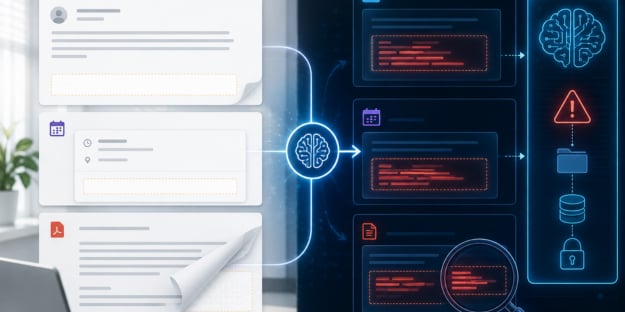
How might emerging technologies further enhance cloud-native security frameworks? Enter Agentic AI—a revolutionary concept that holds promise for managing complex security tasks within cloud-native environments. Agentic AI leverages sophisticated algorithms to autonomously monitor, detect, and respond to security threats, thereby enhancing the efficiency and reliability of cybersecurity measures. For more insights on how Agentic AI is reshaping cloud security, you can explore articles like this one from Cisco.
Integrating technologies like Agentic AI with NHI management can equip organizations with an adaptive, resilient security apparatus capable of tackling diverse threats in real-time. The collaboration between these technologies represents a formidable advancement in cybersecurity, one that offers businesses an added layer of protection and operational excellence.
For companies operating in hybrid cloud environments, understanding how to scale secrets and NHI security can provide a competitive edge. Organizations can learn more about these strategies from resources such as Elastic’s playbook on scaling NHI security.
Creating a Secure Future
The importance of a robust cloud-native security posture cannot be overstated. NHIs play a vital role, providing a secure foundation upon which businesses can build their digital operations. By addressing the security challenges associated with machine identities, organizations not only protect their data but also create an environment conducive to innovation and growth.
Leveraging advances in technology, such as the integration of Agentic AI, can further enhance these efforts, making it easier for organizations to achieve their security goals. With industries continue to evolve, the strategic management of NHIs will ensure that they remain protected, compliant, and efficient. Explore more about the application of these advanced methodologies in securing hybrid cloud environments at this link.
For those eager to explore further, the implementation of NHI and secrets in enhancing DevOps and SOC team efficiency is discussed comprehensively in various articles by cloud-native security experts. Businesses can harness these insights to elevate their security frameworks and achieve a more robust cybersecurity posture.
Integration of NHIs in Financial Services
Can a cutting-edge approach to Non-Human Identities revolutionize security in financial services? Indeed, the financial sector is a prime beneficiary of robust NHI management, given its stringent regulatory requirements and the need to protect extensive volumes of sensitive data. The management of NHIs shapes a fortified security environment ensuring that machine identities, such as those used by automated trading systems or customer service chatbots, are secure and efficiently managed.
In traditional security models, human oversight was relied upon heavily to monitor and control access. However, the digital transformation in financial services demands more sophisticated, automated security controls. The adoption of a comprehensive NHI management system aids financial institutions by providing advanced monitoring and automated alert systems that identify anomalies in real-time, thus safeguarding financial data against breaches and cyber threats.
Impact on DevOps and Continuous Deployment
How does the integration of NHIs enhance DevOps operations? When development teams adopt agile methodologies and continuous deployment, the increase in automated processes and workflows necessitates an elevated security posture. NHIs play a pivotal role by offering secure, automated management of machine identities that align with DevOps practices.
With scalable NHIs, DevOps teams can ensure that development, testing, and production environments maintain integrity and security. These systems can manage secrets dynamically, preventing exposure and ensuring that credentials are only accessible to their respective machine identities. By focusing on automating NHIs, DevOps teams can reduce bottlenecks, allowing faster release cycles without compromising security.
Furthermore, seamless integration between security tools and DevOps platforms offers a streamlined approach for managing identities and secrets across various stages of the deployment lifecycle. With adequate NHI management, teams can detect and remediate issues swiftly, allowing developers to focus on building features rather than fighting security fires.
The Role of NHIs in Enhancing AI Systems
What role do NHIs play in safeguarding AI systems? AI models and systems, increasingly integral across industries, operate with vast amounts of data and require robust security practices. The machine identities managing these AI systems must be protected from unauthorized access and manipulation.
NHI management ensures that AI systems have controlled access to data, maintaining the trust and integrity of the models used in decision-making. For instance, an autonomous financial advisory application must secure client information while providing personalized recommendations, reliant on secrets management to authenticate and authorize access to sensitive data.
Additionally, with AI systems evolve, managing the lifecycle of machine identities strains traditional security frameworks. Comprehensive NHI solutions acknowledging these complexities provide automated methods to handle secrets rotation and identity decommissioning, ensuring that AI systems remain secure and compliant.
Adopting Best Practices for NHI Management
How can organizations adopt best practices for NHI management to strengthen their cybersecurity? By embracing a multi-faceted strategy, companies can significantly enhance their cloud-native security posture:
Data Classification: Clearly identify and classify all data assets linked to NHIs, offering insights into potential vulnerabilities.
Automated Monitoring: Implement sophisticated monitoring systems that autonomously oversee NHI usage and trigger alerts upon detecting unusual activities.
Lifecycle Management: Develop processes for securely managing the full lifecycle of NHIs from creation to decommissioning.
Cross-Departmental Coordination: Foster communication and collaboration between security, R&D, and IT departments to ensure comprehensive coverage and eliminate silos.
Policy and Governance: Establish policies to define the proper use of NHIs and enforce these policies through governance frameworks.
In deploying these practices, organizations can establish a more secure environment, enhancing both productivity and trust among stakeholders. Proper NHI management is not merely a technical challenge but a strategic necessity integral to modern cybersecurity frameworks. For further exploration of cloud-native security advancements, readers can delve into the benefits of custom secrets self-serve detection rules.
Leveraging strategies that emphasize the importance of NHIs will allow organizations to stay ahead of emerging threats. Where advancements in AI and cloud technologies continue, businesses are poised to refine their security postures and protect their digital assets effectively.
Where digital offers unparalleled opportunities but also amplifies security risks. Given the increasing reliance on AI and cloud technologies, understanding and addressing these complexities through strategic NHI management safeguards organizational assets. Explore more about the innovative methodologies driving Agentic AI’s role in security through our third pillar of Agentic AI research.
The resilient strategies adopted for NHI management in diverse industries underscore the necessity of a proactive security stance. Organizations are urged to focus on strategic NHI management, propelling them into a future where security is seamlessly integrated with innovation.
The post Can Agentic AI handle complex cloud-native security tasks appeared first on Entro.
*** This is a Security Bloggers Network syndicated blog from Entro authored by Alison Mack. Read the original post at: https://entro.security/can-agentic-ai-handle-complex-cloud-native-security-tasks/
About Author