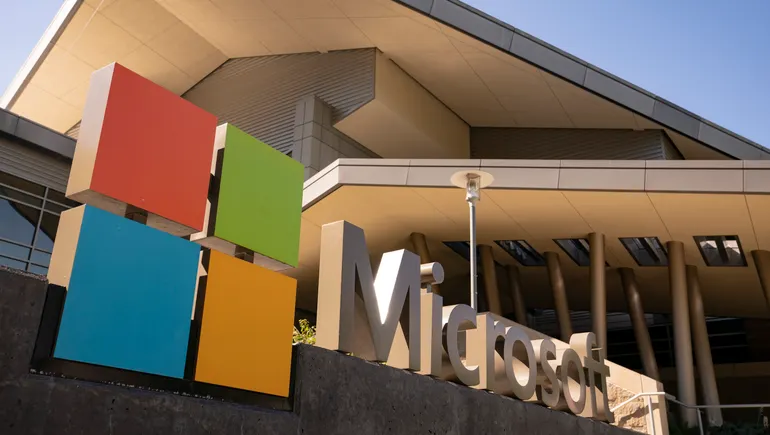
Microsoft Corporation has freshly rolled out patches to fix over 89 security vulnerabilities in its Windows OS and other associated software products. This latest batch of updates includes solutions for two zero-day exploits that are actively being used by malicious actors, in addition to two other vulnerabilities that were publicly disclosed prior to the release of the patches.

The critical zero-day vulnerability, known as CVE-2024-49039, is a flaw in the Windows Task Scheduler that permits an attacker to elevate their system privileges on a Windows PC. The flaw was reported by Google’s Threat Analysis Group.
Another vulnerability addressed in this update is CVE-2024-43451, a spoofing bug that could expose Net-NTLMv2 hashes used for Windows authentication.
Satnam Narang, who serves as a senior research engineer at Tenable, highlighted the risk posed by stolen NTLM hashes that can enable “pass-the-hash” attacks. He noted that CVE-2024-43451 is the third NTLM zero-day discovered this year.
Multiple other publicly disclosed vulnerabilities that Microsoft has fixed this month include CVE-2024-49019, an elevation of privilege flaw in Active Directory Certificate Services (AD CS); and CVE-2024-49040, a spoofing vulnerability in Microsoft Exchange Server.
Ben McCarthy, the lead cybersecurity engineer at Immersive Labs, drew special attention to CVE-2024-43639, a remote code execution bug in Windows Kerberos, the authentication mechanism extensively used in Windows network domains.
Regarding CVE-2024-43498, another critical flaw Microsoft addressed, McCarthy pointed out it’s a remote code execution issue in .NET and Visual Studio with a CVSS severity rating of 9.8 (out of 10).
Moreover, 29 of the updates released today focus on addressing memory-related security concerns pertaining to SQL databases, with each bug carrying a threat score of 8.8. Exploiting any of these vulnerabilities could result in malware installation when an authorized user connects to a compromised SQL server.
To delve deeper into the specifics of today’s Microsoft patches, you can refer to the SANS Internet Storm Center’s detailed list. For system administrators managing extensive Windows environments, taking note of potential issues highlighted on Askwoody.com is advisable, as it often flags problematic Microsoft updates affecting many users.
In case you encounter any challenges while applying these updates, feel free to share your experiences in the comments section. Chances are high that someone else reading the comments has faced a similar issue and might have discovered a solution.
About Author