In relations with China, Latin America puts itself first
It doesn’t all go Beijing’s way. In Latin America, China has been suffering notable reversals of influence.
Honduras is a clear example. When it switched recognition from Taiwan to China in 2023, many observers interpreted the decision as another sign of Beijing’s growing influence in Latin America. In May, however, the Honduran congress approved investigations into Chinese business activities and a reassessment of bilateral agreements. Huawei-linked projects have come under growing scrutiny, while alternative suppliers such as Cisco Systems have entered public discussion.
The 2023 diplomatic switch led to Honduran shrimp exporters losing access to Taiwan, which had been one of their most important markets. This caused a sharp decline in sales, leading to thousands of job losses as dozens of companies were forced to close. Facing this economic hit, President Nasry Asfura has publicly raised the possibility of restoring relations with Taipei, even as his government maintains ties with Beijing.
In 2017, China secured a major diplomatic victory when Panama switched recognition from Taiwan and later became the first Latin American country to join the Belt and Road Initiative. But Panama left the initiative in early 2025, under pressure from the United States. The country continues to trade with China while strengthening ties with the US. Rather than choosing one partner over another, Panama has sought to preserve room to manoeuvre between both.
Nicaragua has displayed similar behaviour. Despite maintaining close relations with Beijing, the Ortega government will return BHMB Mining to its original owners after being confiscated and transferred to Chinese firms at the end of 2025. Nicaragua also ended a visa-free program for Cuban citizens that Washington viewed as contributing to migration flows toward the United States. These decisions did not represent a break with China. They demonstrated that governments could accommodate US concerns despite close ties with Beijing.
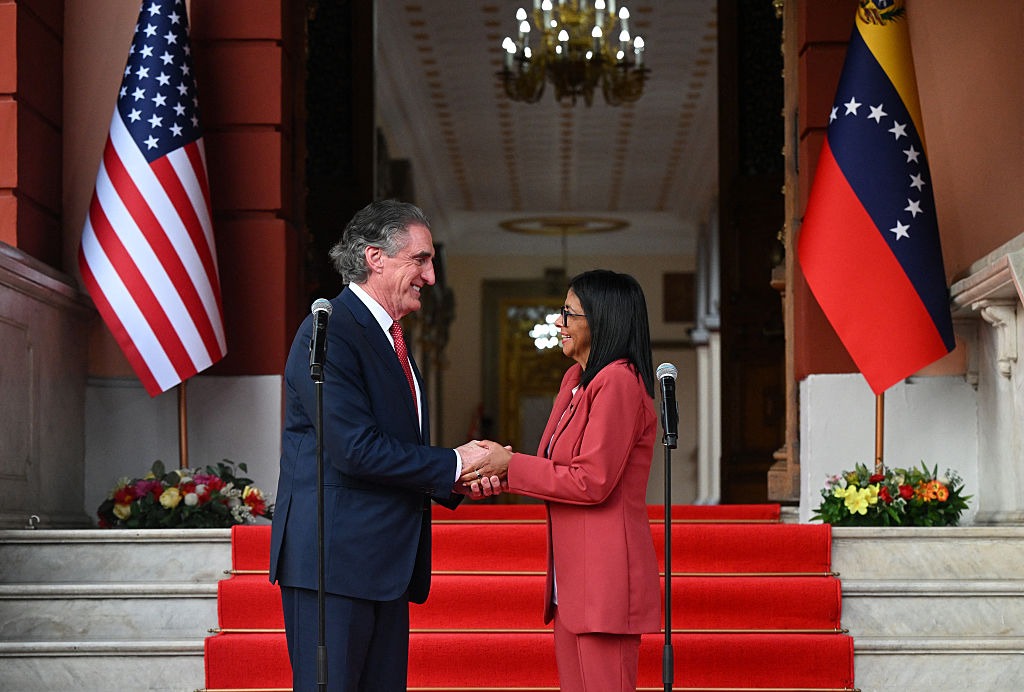
Venezuela offers another example. China spent many years building one of its closest relationships in the Western Hemisphere. Yet political developments in Caracas such as the removal of former president Nicolas Maduro and his replacement by the more US-friendly Delcy Rodriguez, who has led the reopening of the United States embassy in Venezuela, have shown how quickly governments can adjust their external relationships when circumstances change. China remains an important economic partner, but Venezuela’s leaders are clearly pursuing a broader range of options than many observers once expected, including negotiating a deal with Washington that would allow the US to take a direct stake in Venezuela’s oil reserves.
Cuba tells a similar story. Beijing remains an important economic partner, but Chinese support has not removed the economic pressures, migration challenges and domestic difficulties confronting Havana. Cuba’s leaders continue to grapple with food and oil shortages and economic difficulties while maintaining stable ties with China and seeking a less confrontational relationship with Washington.
Honduras, Panama, Nicaragua, Venezuela and Cuba have all pursued policies that preserve room for engagement with both Washington and Beijing. Their objective is not alignment. Their objective is to maximise the benefits of both relationships while preserving freedom of action.
About Author