AI Incident Response and Red Teaming for Autonomous Systems: A CISO Playbook for Detection, Containment, and Recovery

AI Incident Response and Red Teaming for Autonomous Systems: A CISO Playbook for Detection, Containment, and Recovery
Executive Summary
AI incident response must be built for systems that can reason, call tools, and move quickly across enterprise services, not only for static applications.
The rapid operational deployment of autonomous artificial intelligence agents and multi-agent systems has fundamentally transformed enterprise architecture. Unlike traditional software applications that execute deterministic logic paths, autonomous AI systems possess memory, external tool access, and multi-step planning capabilities. While these capabilities drive unprecedented enterprise productivity, they also introduce unprecedented attack surfaces. Adversaries no longer target static models alone; instead, they exploit agentic workflows to orchestrate multi-stage attacks, execute remote code, and pivot across enterprise infrastructure. For Chief Information Security Officers (CISOs), protecting these systems requires abandoning reactive security postures in favor of specialized AI incident response playbooks and continuous adversarial red teaming. This comprehensive playbook provides security leaders with actionable strategies to detect anomalies, contain autonomous threats, and recover resiliently without stifling innovation.

The Evolution of the Threat Landscape: From Static Models to Autonomous Agents
Security organizations have historically treated artificial intelligence security as a subset of application security or data privacy compliance. Early threats centered primarily on adversarial prompt injection, data poisoning, and model evasion against static machine learning classifiers. However, the maturation of large language models into autonomous agents capable of chaining tool calls, interacting with APIs, and retaining persistent memory has created an entirely new threat paradigm. Modern autonomous systems operate with a degree of operational independence that traditional incident response frameworks were never designed to accommodate.
When an autonomous agent is granted the ability to execute database queries, invoke cloud APIs, and write code, an adversary who successfully compromises the agent’s reasoning loop gains indirect control over those underlying tools. Threat actors exploit this capability through indirect prompt injection, where malicious instructions embedded in retrieved documents or external web pages are processed by the agent as legitimate system commands. Because the agent executes these commands autonomously, traditional perimeter defenses fail to recognize the deviation until lateral movement or data exfiltration is already underway. This operational reality demands a fundamental reevaluation of enterprise threat monitoring, aligning closely with structured governance practices found across the broader ai security hub.
| Threat Vector | Traditional Software Equivalent | Autonomous AI Manifestation | CISO Risk Impact |
|---|---|---|---|
| Indirect Prompt Injection | Cross-Site Scripting (XSS) | Malicious text in external data sources forces unauthorized tool execution. | High unauthorized data access and lateral movement. |
| Autonomous Tool Abuse | Privilege Escalation / RCE | Agent misuses legitimate API keys or database connections to execute payloads. | Severe infrastructure compromise and data exfiltration. |
| Memory Poisoning | Stored Credential Theft | Adversary corrupts vector database or agent memory state with persistent backdoors. | Long-term operational compromise and recurrent failures. |
| Goal Hijacking | Business Logic Bypass | Subtle prompt manipulations cause the agent to deviate from its safety constraints. | Compliance violations and unintended financial transactions. |
To contextualize these emerging risks within standardized threat intelligence frameworks, security teams must integrate taxonomies that specifically classify machine learning and autonomous agent vulnerabilities. The MITRE ATLAS framework provides an essential structural foundation for mapping adversarial tactics against AI components [1].
“The adversary is operating against AI components of the system that can autonomously plan, decide, and execute multi-step actions, often leveraging memory, tool invocation, and API orchestration in complex enterprise environments.” [1]
Mapping Adversarial Tactics: Leveraging MITRE ATLAS for Autonomous Systems
Effective incident response begins with a comprehensive understanding of adversary behavior. While the MITRE ATT&CK framework remains the gold standard for traditional enterprise networks, it lacks the specificity required to diagnose anomalies within machine learning pipelines and agentic reasoning loops. MITRE ATLAS (Adversarial Threat Landscape for Artificial-Intelligence Systems) fills this critical gap by cataloging tactics and techniques tailored specifically to AI systems, encompassing everything from initial reconnaissance and resource development to model exfiltration and impact [2].
When applied to autonomous systems, MITRE ATLAS enables security operations center (SOC) analysts to trace how an attacker moves from an external input vector to internal tool exploitation. For instance, an adversary initiating an attack against an enterprise customer service agent will typically begin with reconnaissance, probing the agent’s system prompt and available tool definitions. Using techniques categorized under AI reconnaissance, the attacker identifies weak input validation layers before launching an evasion or injection attack.
Understanding these pathways allows security architects to embed robust monitoring directly into the agentic workflow. Integrating these insights with an established agentic ai security checklist ensures that every layer of the agent lifecycle, from memory retrieval to API execution, is continuously audited for unauthorized behavioral shifts.
Key MITRE ATLAS Tactics in Autonomous Environments
- Initial Access and Resource Development: Adversaries craft specialized payloads designed to bypass input filters, often hiding malicious instructions within benign documents, image metadata, or external API responses.
- Execution and Tool Abuse: Once initial access is achieved, the agent is manipulated into invoking authorized tools in unauthorized ways, such as querying restricted database tables or executing shell scripts.
- Persistence and Memory Corruption: Attackers manipulate vector databases, long-term memory stores, or cached conversation states to ensure that malicious instructions persist across multiple user sessions.
- Exfiltration and Impact: The autonomous agent is directed to compile sensitive enterprise data and transmit it via permitted outbound communication channels, effectively masking data theft as routine operational traffic.
Continuous AI Red Teaming: Proactive Defense Under Adversarial Pressure
Waiting for an incident to occur in an autonomous AI deployment is a recipe for catastrophic failure. Because autonomous systems exhibit non-deterministic behavior, static test suites and standard unit testing are fundamentally insufficient for uncovering edge-case vulnerabilities. Proactive, continuous AI red teaming is therefore an indispensable pillar of modern enterprise security leadership. Red teaming an autonomous system involves deploying automated adversarial agents or specialized human red teams to pressure-test the model’s guardrails, reasoning stability, and tool boundaries under realistic attack conditions [3].
Unlike traditional penetration testing, which focuses on network ports and software bugs, AI red teaming evaluates the semantic and behavioral resilience of the system. Red teams probe how the agent handles ambiguous instructions, conflicting system prompts, and sophisticated social engineering delivered via machine-readable formats. By simulating multi-step autonomous attacks, security teams can identify where an agent’s reasoning loop breaks down or where excessive agency allows the model to exceed its intended scope of authority.
| Red Teaming Methodology | Primary Objective | Key Evaluation Metric | Frequency & Trigger |
|---|---|---|---|
| Automated LLM Fuzzing | Uncover prompt injection vulnerabilities and boundary bypasses. | Percentage of successful jailbreaks and filter evasions. | Continuous (integrated into CI/CD pipelines). |
| Multi-Agent Simulation | Test lateral movement and privilege escalation across agent networks. | Time-to-containment and unauthorized tool access frequency. | Quarterly or pre-major release. |
| Adversarial Tool Testing | Assess API robustness and database query safety under stress. | Rate of safe refusal versus unauthorized execution. | Semi-annually or post-API modification. |
| Memory Integrity Auditing | Detect persistent vector database poisoning and state corruption. | Drift detection accuracy and memory cleansing efficacy. | Monthly or continuous monitoring. |
Integrating these red teaming practices into broader governance frameworks is essential for maintaining alignment with organizational risk tolerance. Security leaders should reference established strategies in enterprise ai security governance to ensure that red teaming outcomes directly inform policy updates, developer training, and runtime guardrail enhancements.
Designing the AI Incident Response Playbook: Detection, Containment, and Recovery
When an autonomous system deviates from its intended operational envelope, traditional incident response playbooks often fail because they treat the system as a static server or database rather than an autonomous decision-maker. An effective AI incident response playbook must be specifically engineered to address the unique behavioral dynamics of machine learning models and multi-agent workflows. The playbook must establish clear protocols across three core phases: detection, containment, and recovery.
Phase 1: Detection and Behavioral Anomaly Identification
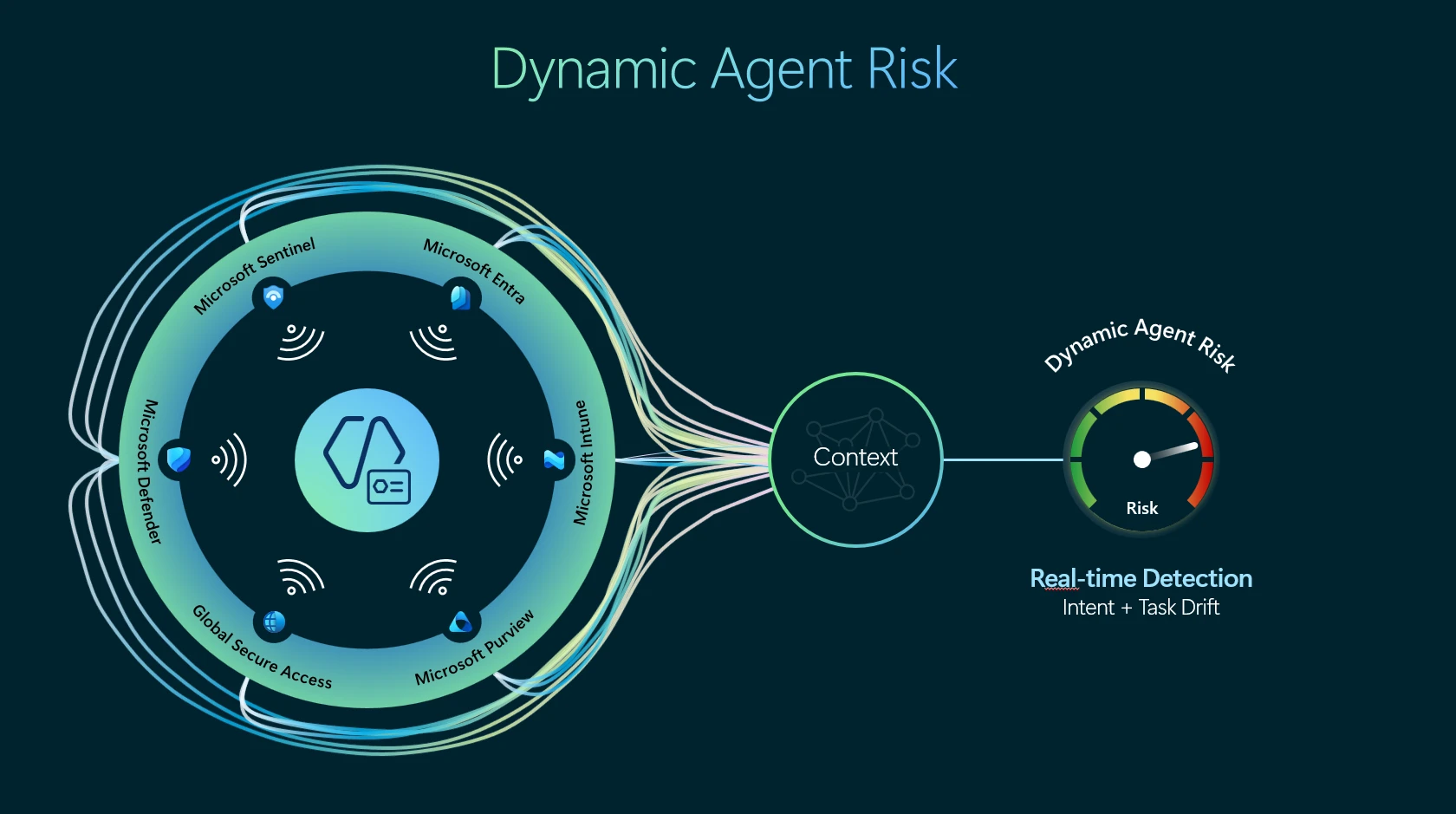
Detecting security incidents in autonomous systems requires shifting from signature-based monitoring to behavioral telemetry analysis. Because attackers leverage subtle prompt injections and logical manipulations rather than traditional malware signatures, SOC analysts must monitor operational telemetry that captures the agent’s internal reasoning process, tool invocation frequency, and API payload structures.
Security teams should establish baseline metrics for normal agent behavior, including average token consumption per task, typical tool usage sequences, and standard data access patterns. Significant deviations from these baselines often serve as the earliest indicator of compromise. For example, if an administrative assistant agent suddenly initiates rapid, sequential database queries across tables outside its operational scope, automated monitoring tools must immediately flag the activity as a high-severity anomaly.
Phase 2: Autonomous Containment and Isolation Protocols
Once an incident is detected, containment must be executed with extreme speed to prevent the autonomous agent from executing further unauthorized actions. However, abruptly terminating an AI service can disrupt critical business operations or destroy volatile memory states needed for forensic investigation. Therefore, modern containment architectures rely on graduated isolation tiers.
| Containment Tier | Action Performed | Operational Impact | Forensic Preservation |
|---|---|---|---|
| Tier 1: Tool Revocation | Revoke specific API keys and database access tokens held by the agent. | Agent remains active for conversation but loses external execution capabilities. | High (vector memory and conversation logs preserved). |
| Tier 2: Sandbox Isolation | Transfer the agentic workflow to an isolated, sandboxed execution environment. | Response latency increases; external integrations are temporarily suspended. | Complete (full state snapshot captured for analysis). |
| Tier 3: Graceful Shutdown | Terminate the model instance and revert to a last-known-good static fallback. | Autonomous service offline; fallback to deterministic rules or human agents. | Moderate (volatile cache lost; persistent storage retained). |
Implementing these tiered containment measures requires close alignment with enterprise resource planning and disaster recovery protocols. CISOs can leverage resources from the ciso toolkit to construct standardized response workflows that seamlessly integrate AI incident handling into existing enterprise incident management structures.
Phase 3: Post-Incident Recovery, Root Cause Analysis, and Hardening
Recovery from an AI security incident extends far beyond restarting services or patching software libraries. Because autonomous systems learn from interactions and store contextual history in vector databases, recovery must include a thorough sanitization of the agent’s memory stores and a rigorous re-evaluation of its system prompts and guardrails.
Root cause analysis in autonomous systems often reveals that the vulnerability stemmed from ambiguous system prompts, over-privileged API tokens, or inadequate input sanitization in data retrieval pipelines. Security engineering teams must perform forensic reviews of conversation logs and reasoning traces to identify the exact point where the agent was manipulated. Once identified, the system must be hardened through updated guardrails, refined prompt engineering, and tightened API permission scopes before being reintroduced into production.
Establishing Governance and Operational Resilience for CISOs
Securing autonomous systems and executing effective incident response cannot be achieved through technical controls alone. It requires robust governance structures that bridge the gap between AI development teams, security operations, and executive leadership. CISOs must spearhead cross-functional collaboration, ensuring that security considerations are embedded at the inception of AI model design rather than bolted on as an afterthought.
Organizational resilience depends on establishing clear accountability, continuous training, and standardized reporting metrics. Security leaders must define acceptable risk thresholds for autonomous actions, establishing strict human-in-the-loop checkpoints for high-risk operations such as financial transactions, infrastructure modifications, and PII access. Furthermore, compliance with emerging regulatory standards, such as the NIST AI Risk Management Framework and ISO/IEC 42001, provides a structured benchmark for demonstrating due diligence to board members and external auditors [4] [5].
By synthesizing proactive red teaming, specialized incident response playbooks, and comprehensive governance frameworks, CISOs can transform autonomous artificial intelligence from an unmanaged operational risk into a secure, highly resilient engine of enterprise growth.
Conclusion
Autonomous artificial intelligence systems represent the next great frontier of enterprise capability, offering unprecedented speed, adaptability, and operational efficiency. Yet, this very autonomy introduces complex security challenges that outpace traditional, deterministic defense models. As threat actors increasingly target agentic reasoning loops, tool integrations, and persistent memory stores, CISOs must adopt a proactive, specialized security posture. By mastering the MITRE ATLAS framework, conducting rigorous and continuous AI red teaming, and implementing tailored incident response playbooks featuring graduated containment tiers, security leaders can effectively detect, contain, and recover from autonomous threats. Securing the autonomous enterprise is not about halting innovation; it is about establishing the resilient operational guardrails necessary to let intelligent systems thrive safely.
Sources
- The MITRE Corporation, “MITRE ATLAS™: Adversarial Threat Landscape for Artificial-Intelligence Systems,” MITRE Framework Documentation, accessed August 12, 2026. https://atlas.mitre.org/
- Cybersecurity and Infrastructure Security Agency (CISA) and MITRE, “MITRE ATLAS Overview and AI Risk Assessment,” CSRC NIST Presentations, September 2025. https://csrc.nist.gov/csrc/media/Presentations/2025/mitre-atlas/TuePM2.1-MITRE%20ATLAS%20Overview%20Sept%202025.pdf
- Haize Labs and Industry Security Experts, “AI Red Teaming & Securing Enterprise AI: Best Practices for Autonomous Systems,” YouTube Expert Security Briefing, August 2025. https://www.youtube.com/watch?v=pn20xeuuEsg
- National Institute of Standards and Technology (NIST), “Artificial Intelligence Risk Management Framework (AI RMF 1.0),” NIST Publication 100-1, US Department of Commerce, accessed August 12, 2026. https://www.nist.gov/itl/ai-risk-management-framework
- International Organization for Standardization (ISO), “ISO/IEC 42001:2023 Artificial Intelligence Management System,” ISO Standard, December 2023. https://www.iso.org/standard/81230.html
About Author